
Why Megapixels Don't Define a Great Camera
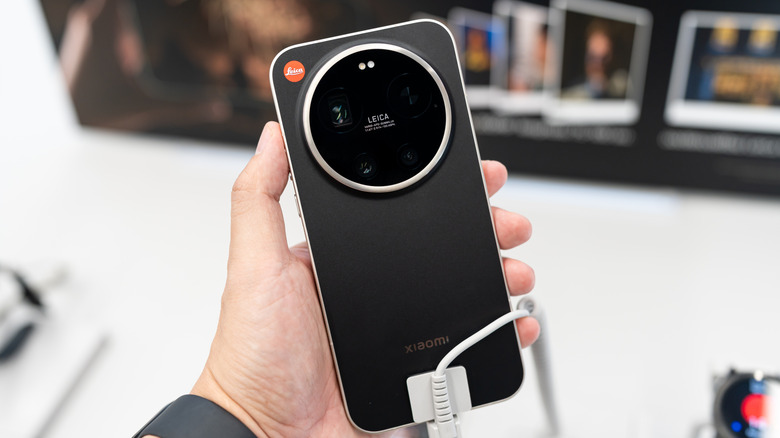
When it comes to camera quality, megapixels often get a lot of attention, but they aren't the only factor that determines how good a photo looks. In fact, having too many megapixels can sometimes be a drawback, especially for everyday use. High megapixel counts can lead to larger file sizes, which can slow down your device and take up more storage space. This is particularly relevant for smartphone cameras, which have largely replaced traditional digital cameras for casual photography. Most of the photos taken with these devices aren’t meant for high-end printing or detailed analysis, so the extra resolution might not even be necessary.
Another issue with too many megapixels is that they can actually reduce image quality in some situations. For example, when an image is resized for a website or printed, the software used might not handle the excess pixels well. If the algorithm isn’t smart enough, it could end up removing important details, leading to a loss of clarity and sharpness.
How many megapixels do you really need?
To understand this better, it's important to know what a megapixel actually means. A megapixel represents one million individual pixels, which are the tiny dots of color that make up a digital image. If a camera produces images that are 4,000 pixels wide and 3,000 pixels tall, that’s a total of 12 million pixels — or 12 megapixels.
The math behind megapixels can be a bit misleading. For instance, doubling the megapixel count from 50 to 100 doesn’t mean the image size doubles. Instead, it might just mean that either the width or height has increased by 50%, or both. Megapixels are primarily a measure of resolution, which affects how detailed an image appears. However, resolution is just one part of the equation when it comes to overall image quality.
Other factors that influence image quality
It’s important not to overlook the role of resolution in image quality. More megapixels can help capture finer details, such as hair strands, text, or distant objects. These elements tend to look sharper in higher-resolution images compared to lower-resolution ones.
But resolution is only one piece of the puzzle. There are several other key factors that contribute to the final quality of a photo:
- Focus: Even if a camera has a high megapixel count, an out-of-focus image will still appear blurry. Factors like motion blur, poor lighting, or incorrect focusing can all impact how sharp a photo looks.
- Lens quality: The lens plays a crucial role in determining how clear and accurate an image is. A high-quality lens can enhance sharpness, color accuracy, and edge-to-edge clarity, regardless of the sensor’s resolution.
- Lighting: Cameras rely on light to capture images, so the quality of the lighting in a scene can significantly affect the outcome. Well-lit scenes allow for better detail, more accurate colors, and improved contrast between light and dark areas. In low-light conditions, the camera may increase sensitivity (ISO), which can introduce noise, or use a slower shutter speed, which can cause motion blur. How well the camera handles available light — influenced by factors like sensor size — can often be more important than a small change in megapixel count.
Understanding these elements can help you make better decisions when choosing a camera or taking photos. While megapixels matter, they’re just one of many factors that contribute to the overall quality of an image.

Post a Comment for "Why Megapixels Don't Define a Great Camera"
Post a Comment