
Kevin Warsh's First Test: Taming Inflation and Satisfying Trump
A New Era for the Federal Reserve
The Federal Reserve, under the leadership of Ben Bernanke during the 2008 and 2009 financial crisis, executed a series of bold and controversial measures that helped prevent a second Great Depression. These actions included slashing interest rates to zero, injecting massive liquidity into the banking system, and bailing out major institutions like AIG while allowing Lehman Brothers to collapse. The debate over whether these steps were necessary or harmful continues to this day.
Bernanke's approach, known as Quantitative Easing, involved printing money to stabilize the banking system. This unconventional strategy was justified by the urgent need to prevent a catastrophic economic downturn. However, questions remain about its long-term effects, including the potential for inflation and asset bubbles.
A Different Landscape for Kevin Warsh
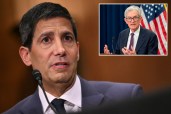
As Kevin Warsh steps into the role of Fed chair, he faces a vastly different economic landscape than his predecessor. Unlike Bernanke, who had the mandate to take drastic action, Warsh is entering a period marked by uncertainty and conflicting pressures. President Donald Trump, who appointed him, has been pushing for rate cuts, but there is no consensus within the Federal Reserve on this matter.
The Fed’s Open Market Committee, which sets interest rates, is no longer a unified body. Jerome Powell, the outgoing chair, will continue to serve as a governor and may vote against rate cuts, despite being a Trump critic. Powell’s continued presence on the committee adds another layer of complexity to the situation.
The Political Tensions at Play
Warsh’s tenure is also shaped by political tensions. The recent controversy surrounding Powell’s Senate testimony about the cost of the Fed’s new headquarters has created a rift between the president and the central bank. This dispute, initiated by Trump, has delayed Warsh’s confirmation and highlights the growing friction between the administration and the Fed.
Warsh’s own stance on interest rates is clear: he is an inflation hawk. After leaving the Fed in 2011, he criticized the policies of the previous chairs, arguing that the Fed’s easy money regime contributed to current inflationary pressures. If given the chance, he would cut rates and begin reducing the Fed’s bond holdings.
Economic Challenges and Opportunities
Despite these challenges, there are signs of economic strength. The rise of artificial intelligence is creating new job opportunities, particularly in blue-collar sectors. While some jobs are lost to automation, history suggests that technological advancements ultimately create more employment.
However, there are also significant risks. The ongoing conflict in Iran is causing energy prices to rise, which could have a major impact on the U.S. economy. The possibility of stagflation, a combination of high inflation and economic stagnation, looms large, reminiscent of the 1970s oil shocks.
The Road Ahead for Warsh
Kevin Warsh inherits a complex and volatile economic environment. He must navigate the pressures from the White House, the internal divisions within the Fed, and the global economic uncertainties. While he is undoubtedly capable, the challenges ahead are formidable.
The coming months will test his ability to balance competing interests and make tough decisions. As the Fed faces its most difficult period since the 2008 crisis, the eyes of the nation will be on Warsh to steer the economy through uncharted waters.

Post a Comment for "Kevin Warsh's First Test: Taming Inflation and Satisfying Trump"
Post a Comment