
Why I Go Beyond Prison in Addiction Cases | Opinion
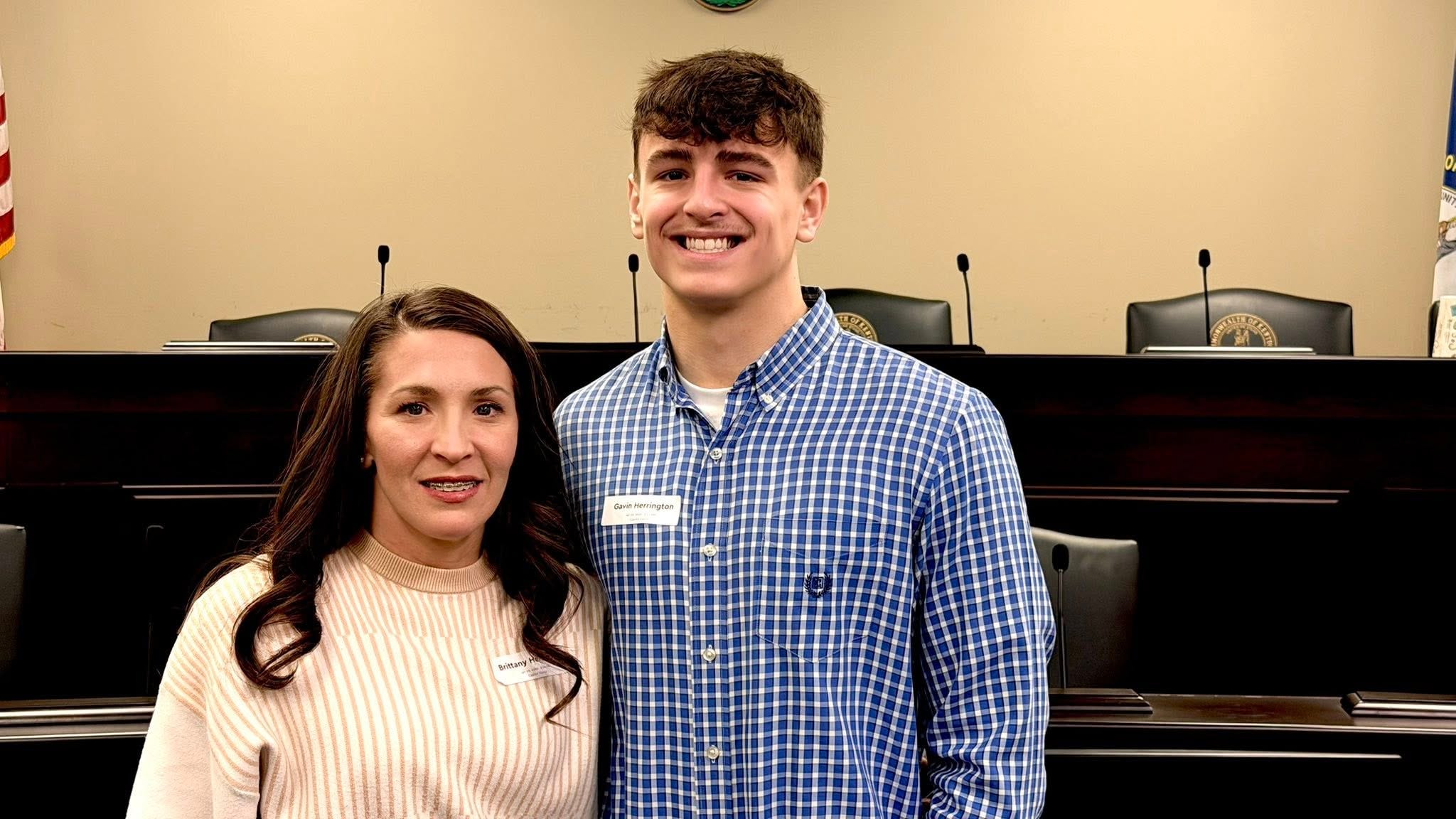
When I read Gavin Herrington's opinion in the Enquirer about how his mother's incarceration when he was 2 years old profoundly affected him, it reminded me of a time when I visited my mom in rehab when I was 10 years old. That experience left a lasting impression on me and shaped my perspective on addiction and justice.
One day, after coming home from school, I ran upstairs to my room and stopped at my parents' bedroom door. I noticed my mom lying on the floor in the dark. My young mind tried to make sense of what she was doing, so I thought she was looking for something that had fallen under her dresser. But she never moved. When my dad came home from work, he knew she had passed out drunk. He drove her to a rehab center 90 minutes away. He knew what to do because he had taken her there before.
Start the day smarter. Get all the news you need in your inbox each morning.
Opinion:
Kids I see in my courtroom change when social media is limited
I vividly remember when he brought my sister and me to visit Mom. She looked amazing — healthy, happy, athletic. At 4 feet 11 inches tall, she was competitively playing basketball with a very tall friend, fully expecting to win. I was jealous of her living in rehab because they had an indoor pool. I wanted to move in with her. But someone explained to me that I was not going to be able to stay with her and that Mom was not coming home. My young mind did not understand she was in treatment for 30 days for an addiction to alcohol and prescription barbiturates.
Recovery changed how I see justice
That day Mom went to rehab for the last time was March 3, 1972. I remember her sobriety anniversary every year.
When I am deciding whether to sentence a person to prison or probation for a felony they committed that stemmed from a substance abuse disorder, I ask if they want treatment. If they answer, "Yes," I ask, "What’s your sobriety date?" If they proudly answer with an exact date, I know they want another chance at treatment, and I think of my mom.
Mom died at age 82, shortly after her 32nd sobriety anniversary. She had access to repeated treatment. I admire my parents for not giving up on treatment. My mom’s desire to remain sober, just one more day, one day at a time, for 32 years, inspires me to give non-violent people an opportunity to succeed at treatment while on probation.
Treatment creates lasting public safety
Sentencing people to probation for treatment benefits not just the person with the addiction, but also their families and our community.
Congratulations to Gavin Herrington and his mother for her success and their advocacy for Kentucky’s proposed Family Preservation and Accountability Act.
In Ohio, we have sentencing laws that require judges to consider a person’s desire for treatment and rehabilitation. Hamilton County’s Common Pleas Court has a Probation Department with trained probation officers and a wide range of treatment and counseling for people with addiction and/or mental health issues.
Opinion
Second chances after prison build strong, safe communities
For people who need more supervision, we also have locked-down treatment options such as Hamilton County Sheriff Charmaine McGuffey’s treatment pods at the local jail and River City Correctional Center. I strive to use these resources in a way that is productive and successful.
Why is this better than prison? Because a year or two in prison can be only a short-term solution, whereas treatment and sobriety can last a lifetime.
Long-term solutions protect our community, strengthen families, and minimize trauma for children. I know. So too do all the people in our community who are proud of their parent's, their loved one’s, or their friend’s sobriety.
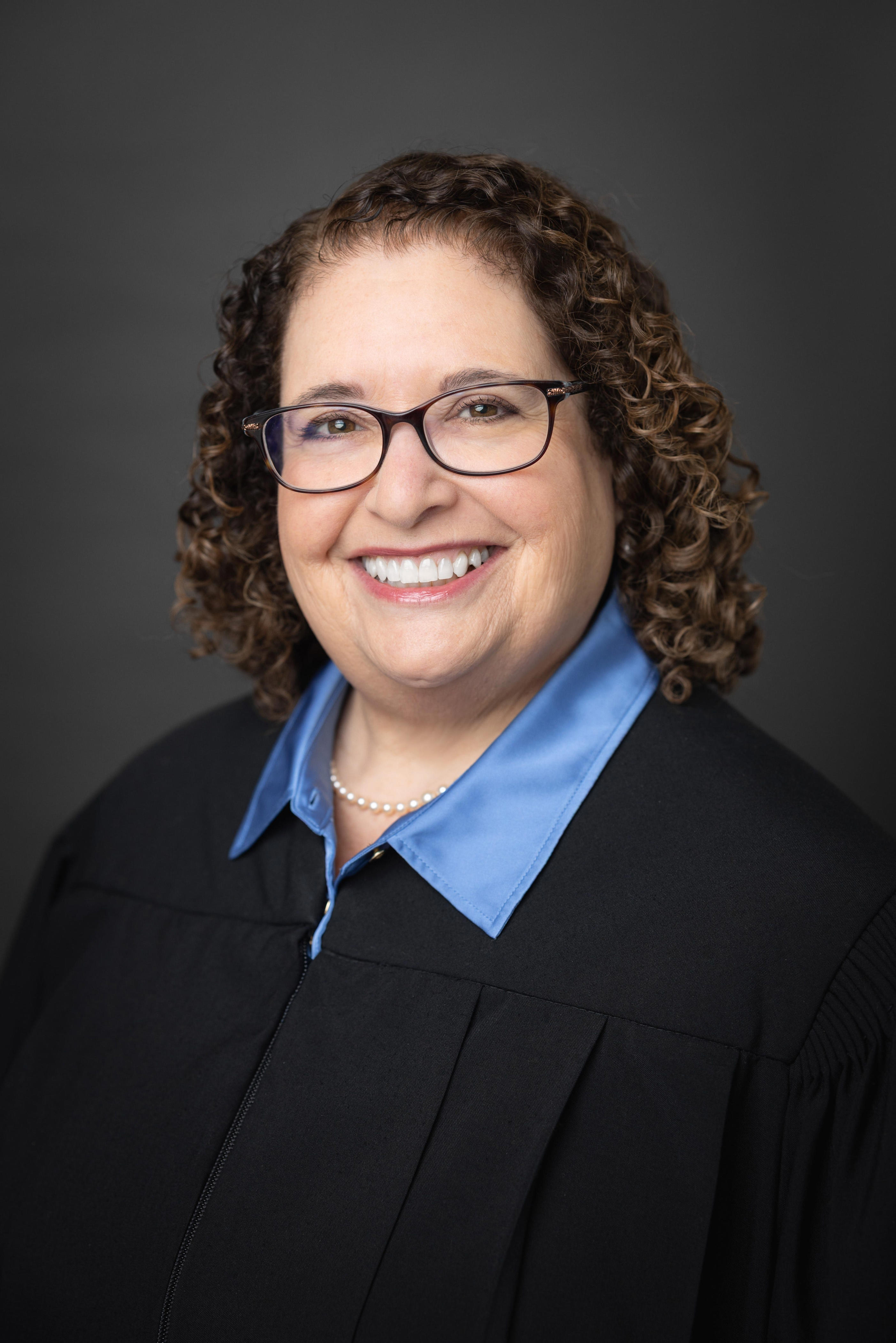
Jennifer Branch is a Hamilton County Common Pleas Court judge. Before becoming a judge, she practiced civil rights litigation in Cincinnati. She has lived in Kennedy Heights and Amberley Village.

Post a Comment for "Why I Go Beyond Prison in Addiction Cases | Opinion"
Post a Comment