
Voting Rights Under Threat at Edmund Pettus Bridge
A New Fight for Voting Rights on the Edmund Pettus Bridge
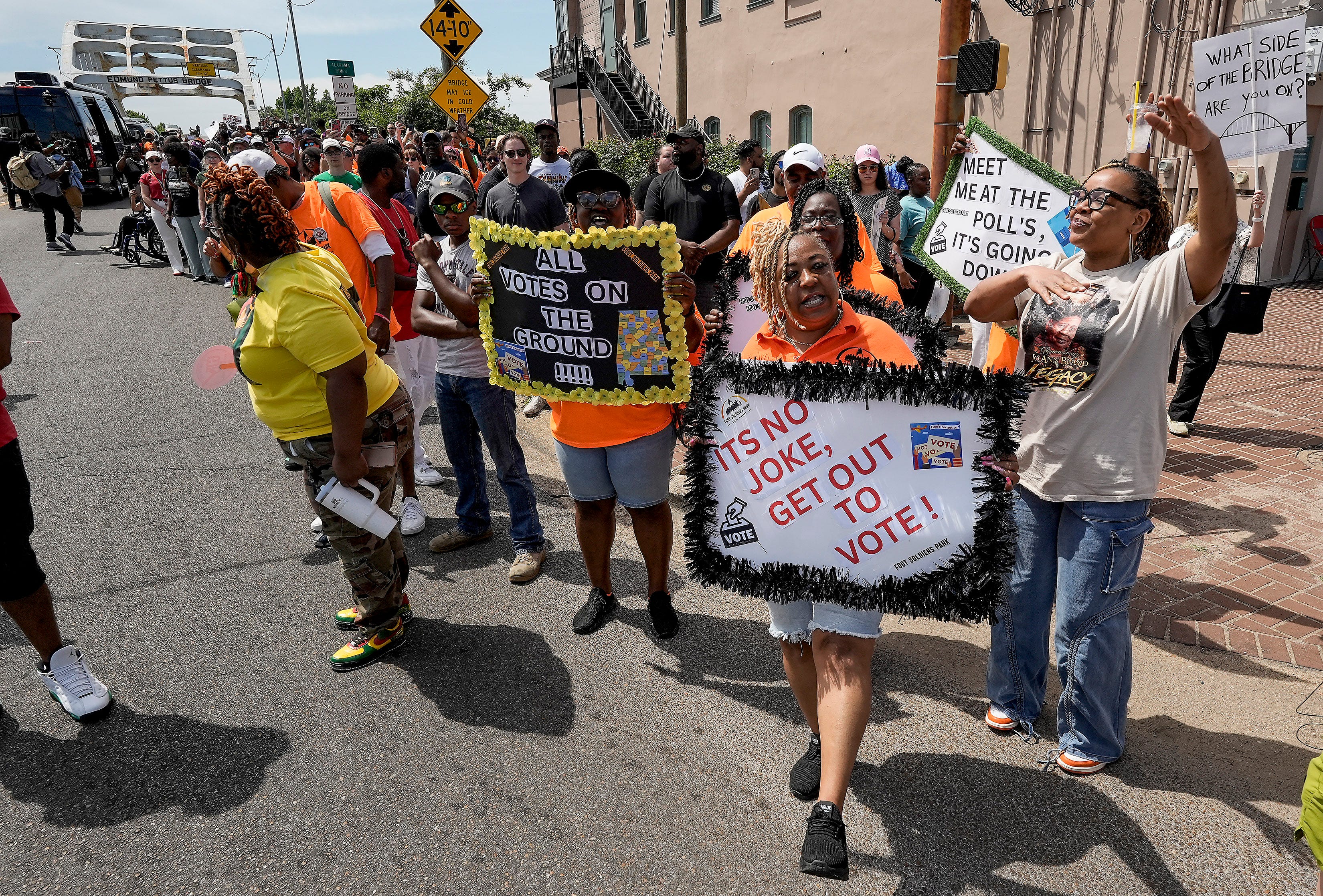
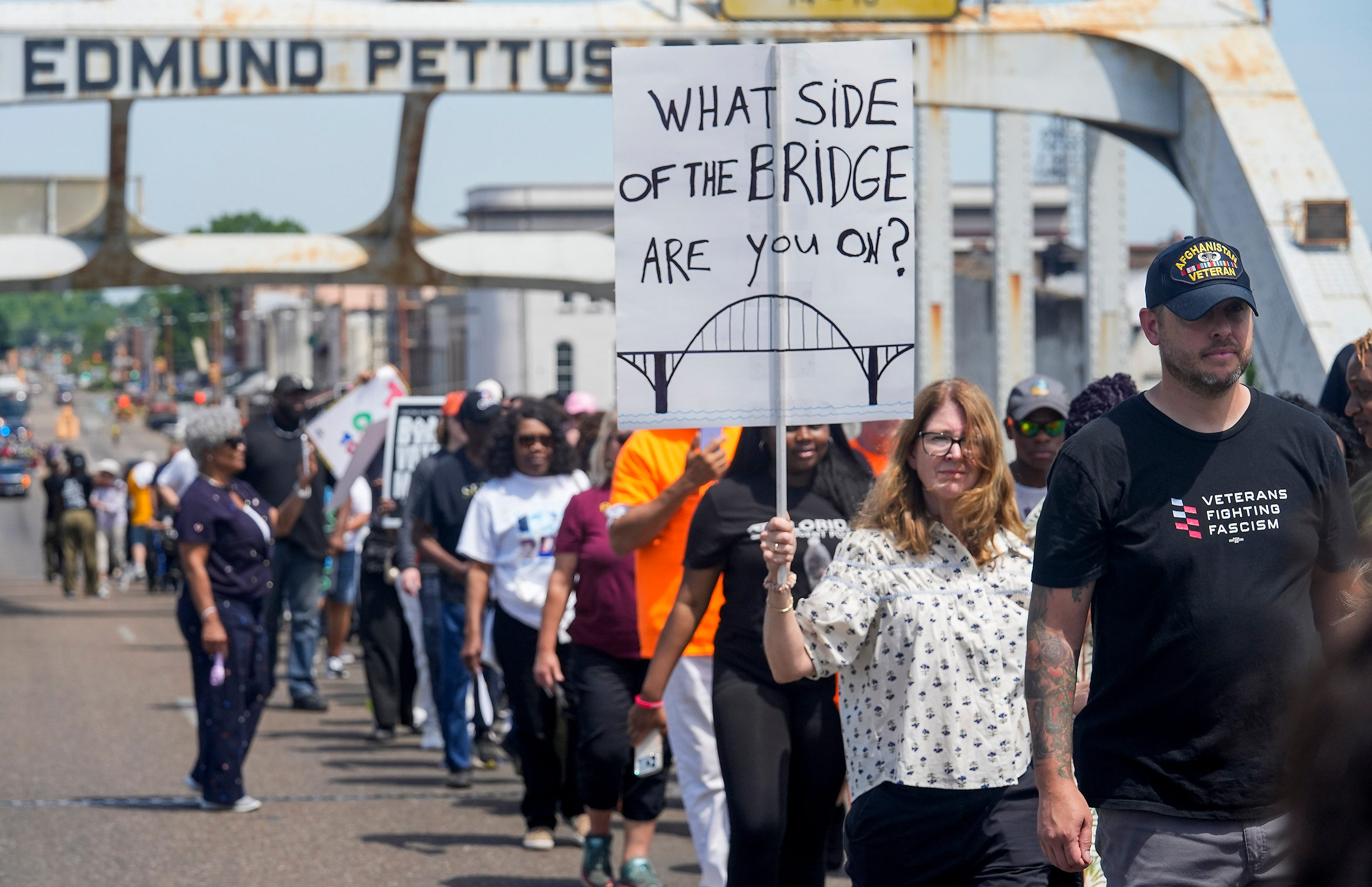
On a day that once echoed with the sounds of protest and violence, the Edmund Pettus Bridge in Selma, Alabama, stood as a symbol of both struggle and resilience. Over 60 years ago, "Bloody Sunday" marked a pivotal moment in the Civil Rights Movement when peaceful demonstrators were met with brutal force. Today, the bridge is once again the site of a powerful demonstration, but this time, the cause is about protecting voting rights.
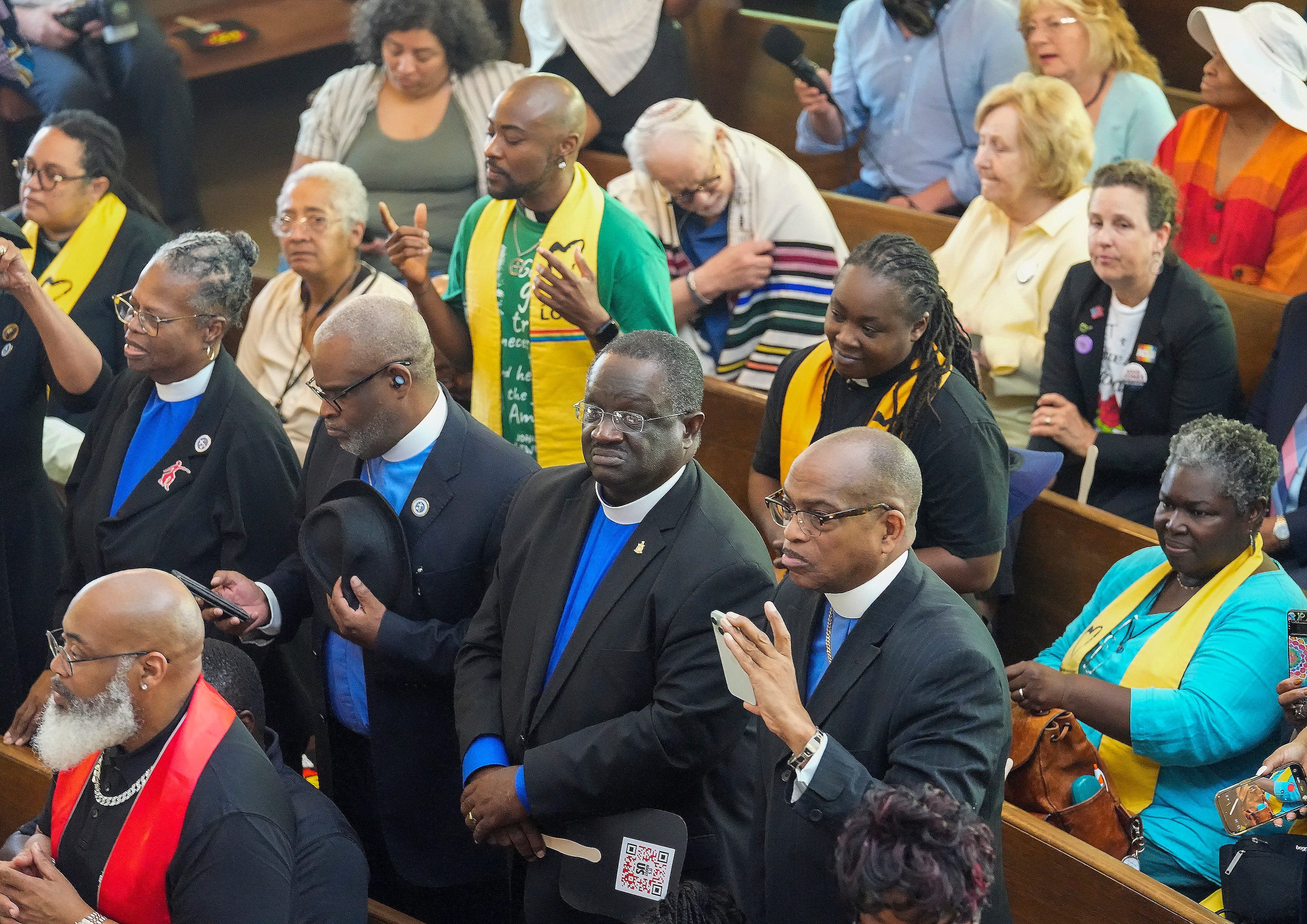
On May 16, 2026, the bridge was filled with a different kind of energy. Pastors with graying beards stood tall, while an older couple dressed in their finest attire held hands, their emotions visible through tears and quiet reflection. This moment was part of the “All Roads Lead to the South” National Day of Action, a protest organized by voting rights advocates, faith leaders, and activists from across the country. The event aimed to draw attention to the ongoing efforts by Republican-led southern states to redraw congressional district boundaries ahead of the midterm elections.
The State of Voting Rights Today
The protests come at a critical time, as several Southern states, including Alabama, Louisiana, Georgia, and Tennessee, have either redrawn or are considering new congressional district maps. This comes after the U.S. Supreme Court’s April 29 decision, which weakened a key section of the Voting Rights Act. Early voting has already begun in some of these states, raising concerns among civil rights groups.
Rosemary McCoy, a protester from Jacksonville, Florida, described the event as a "sad testimony to the state of the United States of America." She noted that if she had come to Selma for a different reason, it might feel more like a celebration of history rather than a protest. But now, the atmosphere is one of sorrow and urgency.
Political Responses and Legal Challenges
State Sen. Merika Coleman, a Democrat, believes the recent decisions have awakened a "sleeping giant" of political activism. She explained that people who previously felt disconnected from politics are now realizing that their voices are being threatened.
Alabama's Republican-led legislature has moved to revert to its 2023 maps, which were previously struck down by a lower court for likely violating the Voting Rights Act by diluting the voting strength of Black Alabamians. However, the lower court still needs to decide whether the 2023 maps can take effect. If the original ruling stands, the results of the primary in the affected districts will remain, but a final decision is expected after the primary election.
The Impact on Voters
Despite the legal challenges, the legislature has decided to hold the state's May 19 primary. The results in four congressional districts will be voided, and a special primary election will be held on August 11. This situation has raised concerns about voter turnout and awareness.
Anneshia Hardy, executive director of Alabama Values and Alabama Values Progress, emphasized the importance of educating voters about the double primary and ensuring they participate in both elections. She stressed that even if districts are split, packed, or cracked, the goal is to mobilize voters and ensure their voices are heard.
A Movement for the Future
Organizers say the upcoming efforts in the South will resemble those of the 1960s, with a focus on voter education, door-knocking, town halls, and keeping the momentum going beyond protests and rallies. The message is clear: the fight for civil rights continues, and it requires collective action.
Cliff Albright and LaTosha Brown, co-founders of the Black Voters Matter Fund, highlighted the historical significance of Alabama in the fight for freedom. They believe that this moment demands unity and a renewed commitment to justice.
The Legacy of the Edmund Pettus Bridge
As the rust on the bridge’s white ironwork, the art deco flourishes on downtown buildings, and the flow of the Alabama River remain unchanged, so too does the spirit of the civil rights movement. Protesters today stand where their predecessors once did, fighting for the same cause.
McCoy expressed her determination, saying, "It's sad because I'm here to fight the same fight [as the Civil Rights Movement]. And they want people to believe that we are so divided. But the truth of the matter is, we're not. And we're going to stand together and we're going to defeat this regime."

Post a Comment for "Voting Rights Under Threat at Edmund Pettus Bridge"
Post a Comment