
Trump's National Shabbat Sparks Jewish Division Before Mall Rally
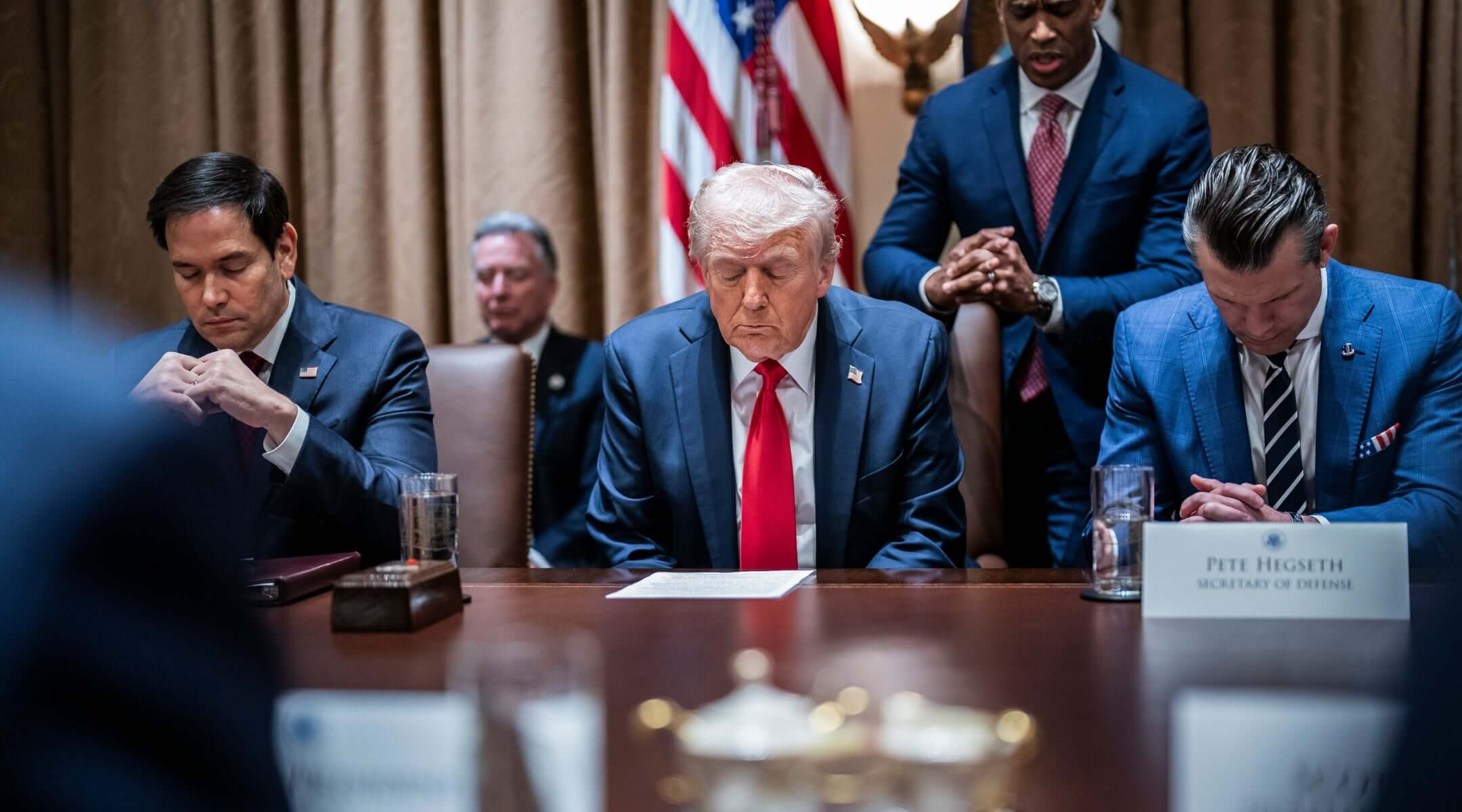
A New National Shabbat: Trump's Call for Unity and Controversy
President Donald Trump has made history by formally urging Americans to observe Shabbat, the Jewish day of rest, as part of a 250th anniversary celebration of the United States. This unprecedented move has sparked both praise and criticism across the American Jewish community.
The President's Proclamation
In his Jewish American Heritage Month proclamation on May 4, Trump encouraged Jewish Americans to observe a national Sabbath from sundown on May 15 to nightfall on May 16. He described this as an opportunity for people of all backgrounds to come together in gratitude for the nation. "This day will recognize the sacred Jewish tradition of setting aside time for rest, reflection, and gratitude to the Almighty," he said.
This call marks the first time that a U.S. president has officially urged the celebration of Shabbat. Trump's daughter, Ivanka, who converted to Judaism, reportedly observes Shabbat according to traditional interpretations of Jewish law.
Mixed Reactions from the Jewish Community
The response from the American Jewish community has been mixed. Some Jews appreciate the gesture and recognition of a central tradition to Judaism, even promoting their own Shabbat services as part of “Shabbat 250.” Others see it as an attempt to appropriate Judaism for conservative political goals and Christian nationalism.
Support for the initiative has been strongest among Orthodox Jews, who tend to be more politically conservative. Rabbi Josh Joseph, executive vice president of the Orthodox Union, endorsed Trump’s call soon after it was made. He stated, “We will pause to acknowledge all the blessings that the Almighty has provided American Jews through the unique devotion to liberty embedded in this nation.”
Some Orthodox synagogues, including many affiliated with the Chabad Hasidic movement, have announced “Shabbat 250” programming, such as dinners and special speakers. The group Young Jewish Conservatives also offered grants to conservative Jews under 35 who committed to hosting at least five people for a Shabbat dinner in their homes.
Concerns Over Political Motives
On the other hand, some Jewish leaders view Trump’s involvement as inappropriate and harmful. Rabbi Jonah Pesner of the Religious Action Center of Reform Judaism is among the faith leaders scheduled to participate in a virtual event that aims to explain why so many religious Americans are alarmed by attempts to frame the U.S. as a “Christian nation.”
Rabbi Amichai Lau-Lavie of the progressive Lab/Shul criticized the move, stating, “When the state meddles in our sacred affairs, blurring the already fuzzy lines between church and state, it doesn’t elevate the Sabbath; it diminishes the democracy that 250 years of history were supposed to protect.”
The Rededicate 250 Prayer Rally
The debate comes ahead of the prayer rally planned for the National Mall on Sunday, called Rededicate 250. Organized by a nonprofit called Freedom 250, the event features Christian music, “Freedom Trucks,” and participation from several Trump administration officials.
Of the 33 prayer leaders set to appear, about half are of evangelical or non-denominational evangelical Christian practice. Baptist, Catholic, and Seventh Day Adventist speakers will also speak. The only non-Christian speaker is Rabbi Meir Soloveichik, an Orthodox rabbi and senior scholar at the Tikvah Fund.
Rachel Laser, CEO of Americans United for the Separation of Church and State, denounced the rally as part of a rising tide of Christian nationalism. She stated, “If President Trump and his allies truly cared about America’s legacy of religious freedom, they would be celebrating church-state separation as the unique American invention that has allowed religious diversity to flourish in our country.”
Growing Appreciation for Religion
Despite the controversy, the attention to Shabbat has spurred non-political interest as well. Writer Daniella Greenbaum Davis explained rabbinic teachings in a column urging non-Jews to consider adopting Shabbat as a mindfulness practice. “Shabbat is a Jewish tradition,” she wrote. “But the case for a weekly day of rest, taking a formal break from worldly concerns, is universal.”
As the nation prepares for the events surrounding Shabbat 250, the discussion continues over the role of religion in public life and the balance between tradition and politics. The event reflects broader trends in American society, where religion is gaining influence, even if many Americans do not personally practice any faith.
More than 7,500 people have declared on a new website, Shabbat250.org, their intention to observe Shabbat. The debate over the significance of this moment will likely continue in the coming days and weeks.

Post a Comment for "Trump's National Shabbat Sparks Jewish Division Before Mall Rally"
Post a Comment