
Trump Returns from China with Stability and a Stalemate
The U.S.-China Summit: A Return to Strategic Stalemate
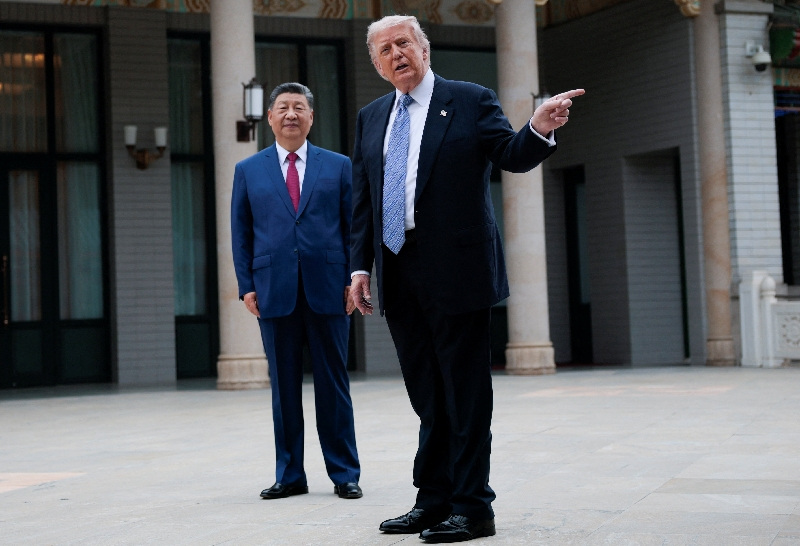
President Donald Trump's recent visit to Beijing may not have yielded major breakthroughs, but it underscored a familiar pattern in the U.S.-China relationship. Despite the trade truce reached last year, the two nations remain locked in an economic and strategic contest that has defined their interactions for years.
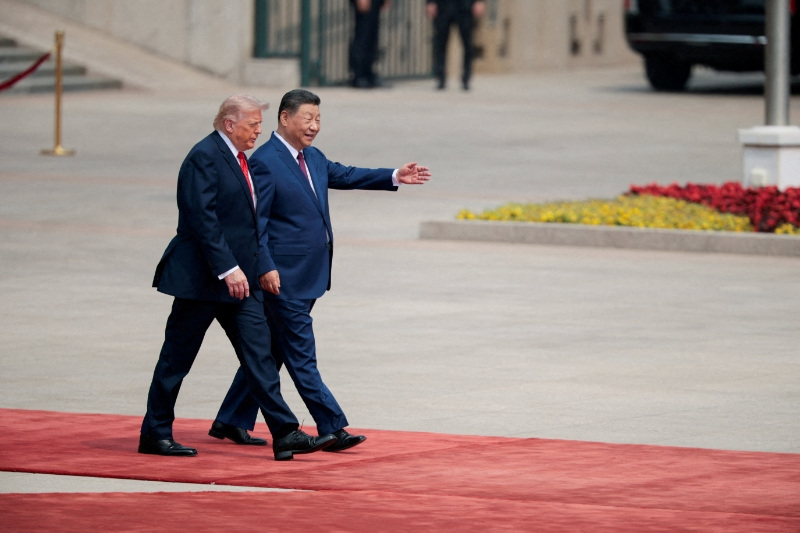
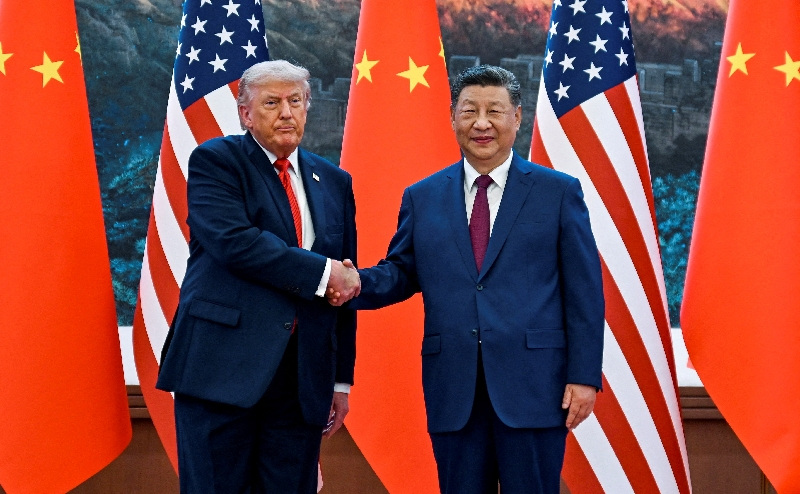
The summit, which lasted two days, featured talks between Trump and Chinese leader Xi Jinping. While the meeting was marked by a more subdued tone compared to previous high-stakes negotiations, it highlighted the ongoing challenges both countries face in managing their complex relationship.
Trade War Truce and Its Implications
One of the key developments from the summit was the continuation of the trade truce that was initially agreed upon in October 2025. This agreement, reached after discussions in South Korea, aimed to ease tensions between the two economic giants. However, the truce is set to expire in five months, and there were no immediate plans to extend it.
For the United States, the focus remains on addressing long-standing concerns about China's trade practices and its growing military influence in the Indo-Pacific region. Analysts suggest that these issues remain largely unresolved, with little progress made during the summit.
On the other hand, China appears to be content with the current state of affairs. The country seems to be using this period of relative stability to navigate its own domestic economic challenges while investing in technologies that could give it a long-term advantage over the U.S.
Mixed Outcomes and Unmet Expectations
Despite the presence of high-profile American business leaders such as Elon Musk of Tesla and Jensen Huang of Nvidia, the summit did not result in significant commercial deals. The lack of tangible outcomes has led some experts to describe the event as "modest" and "manageable."
According to a source familiar with the negotiations, neither side put much on the table during the talks. Some commercial deals were reportedly postponed for later, when Xi is expected to visit Washington.
The absence of major agreements stands in stark contrast to Trump's 2017 visit to China, where companies accompanying him signed deals worth $250 billion. This week's summit produced no breakthroughs, including the sale of Nvidia's advanced H200 artificial intelligence chips to China, which many in Washington had been wary of allowing.
Economic Deliverables and Public Reactions
The economic deliverables from the summit were described as "way below expectations" by Wendy Cutler, a former acting deputy U.S. Trade Representative. She noted that the White House had mentioned the establishment of a new Board of Trade, but provided few details about its operations.
From the Chinese perspective, the summit represented a step toward acknowledging the long-term nature of competition between the two nations. Cui Shoujun, a professor at Renmin University in Beijing, stated that both sides are no longer aiming to return to a cooperative golden age but instead recognize the enduring nature of their disagreements.
Looking Ahead
As the U.S.-China relationship continues to evolve, the focus will likely remain on managing tensions while seeking areas of mutual interest. The summit demonstrated that while both countries may have found common ground on certain issues, the broader strategic competition remains a defining feature of their interactions.
With the trade truce set to expire soon, the next phase of negotiations will be critical in determining the direction of this complex relationship. For now, the summit serves as a reminder of the delicate balance both nations must maintain in their ongoing rivalry.

Post a Comment for "Trump Returns from China with Stability and a Stalemate"
Post a Comment