
Oregon's High Gas Taxes May Rise Further
The Debate Over Gas Tax Suspension
President Trump and Energy Secretary Chris Wright have recently expressed support for a temporary suspension of the federal gas tax, aiming to ease the burden of rising fuel prices. This move comes amid increased tensions in the Middle East, particularly due to the ongoing conflict involving Iran. Trump stated during a call with CBS News that he believes suspending the gas tax for a period of time would be beneficial, saying, “Yup, we’re going to take off the gas tax for a period of time, and when gas goes down, we’ll let it phase back in.”
Despite the support from high-profile figures, the idea of a gas tax holiday still requires congressional approval. While several Republican lawmakers have shown interest, there is potential resistance from both sides of the aisle. Some lawmakers argue that resolving the situation in the Strait of Hormuz or ending U.S. military action in Iran would be more effective in reducing gas prices.
Senate Majority Leader John Thune emphasized that opening the Strait of Hormuz is crucial for normalizing gas prices. He also warned that suspending the gas tax could negatively impact the Highway Trust Fund, which relies on these excise taxes for funding. On the other hand, Democratic lawmakers, including Massachusetts Representative Richard Neal, have criticized the proposal, suggesting that it diverts attention from the real issues caused by current policies.
State-Level Actions and Variations
In addition to federal discussions, some states have already taken steps to suspend their own gas taxes. Georgia and Indiana have implemented such measures, while Utah has approved plans to lower its tax. Oregon residents will soon vote on whether to repeal an increase in their gas tax that took effect last year.
The federal gas tax currently stands at 18.4 cents per gallon for gasoline and 24.4 cents for diesel. A suspension could lead to significant savings for drivers. However, state gas taxes vary widely, with California having the highest at 70.92 cents per gallon and Alaska the lowest at 8.95 cents. These variations are influenced by different structures, including fixed rates and variable models based on inflation and infrastructure needs.
Impact on Motorists and Public Sentiment
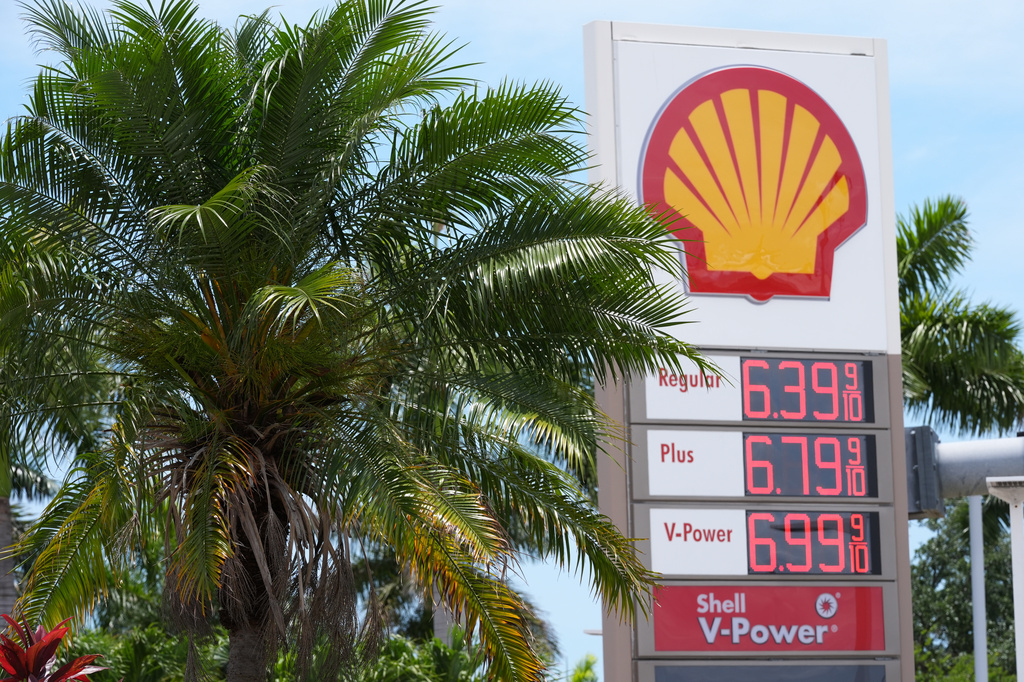
Many motorists facing high gas prices are eager for relief. One Oregon resident told the Associated Press, “Gas is certainly dampening the spirits and the coffers of folks that aren’t as well off.” The debate over gas tax suspension reflects broader concerns about the economic impact of rising fuel costs and the need for immediate solutions.
Energy Secretary Chris Wright acknowledged the uncertainty surrounding future oil prices, stating he cannot predict when they will return to normal levels. However, he emphasized the importance of ending the conflict in Iran to ensure long-term stability in energy markets. “Ending Iran’s nuclear program is massively positive for the flow of energy,” he said, adding that this would ultimately lead to lower prices for Americans and the global community.
Conclusion
As the discussion around gas tax suspension continues, the focus remains on finding effective solutions to alleviate the financial strain on drivers. While some see temporary relief in suspending taxes, others believe addressing the root causes of rising prices is essential. The debate highlights the complex interplay between policy decisions, economic factors, and public sentiment.

Post a Comment for "Oregon's High Gas Taxes May Rise Further"
Post a Comment