
Colorado's Gas Tax: How It Stacks Up Nationally
The Debate Over Gas Tax Suspension
President Trump and Energy Secretary Chris Wright have recently expressed support for a temporary suspension of the federal gas tax, aiming to ease the burden of rising gasoline and diesel prices. This move comes amid heightened tensions in Iran and concerns over energy costs.
“I think it’s a great idea,” Trump said during a call with CBS News. “Yup, we’re going to take off the gas tax for a period of time, and when gas goes down, we’ll let it phase back in.”
However, implementing such a suspension would require congressional approval. While several Republican lawmakers are in favor, there is resistance from both sides of the aisle. Some believe that resolving the situation in the Strait of Hormuz or ending U.S. military actions in Iran would be more effective in reducing gas prices.
Senator John Thune (R.-South Dakota) emphasized the importance of opening the Strait of Hormuz, stating that a gas tax suspension could harm the Highway Trust Fund, which relies on these excise taxes. Democratic lawmakers, including Massachusetts Rep. Richard Neal, have also criticized the idea, accusing Trump of avoiding the real issues caused by his policies.
Legislative Efforts and State Initiatives
Several legislators have introduced bills aimed at implementing a federal gas tax holiday. In March, Democratic Sens. Richard Blumenthal (Conn.) and Mark Kelly (Ariz.) proposed a bill for a temporary suspension, citing the impact of Trump's policies on gas prices. Republican Sen. Josh Hawley (Missouri) also introduced legislation, though he previously opposed similar ideas under Biden.
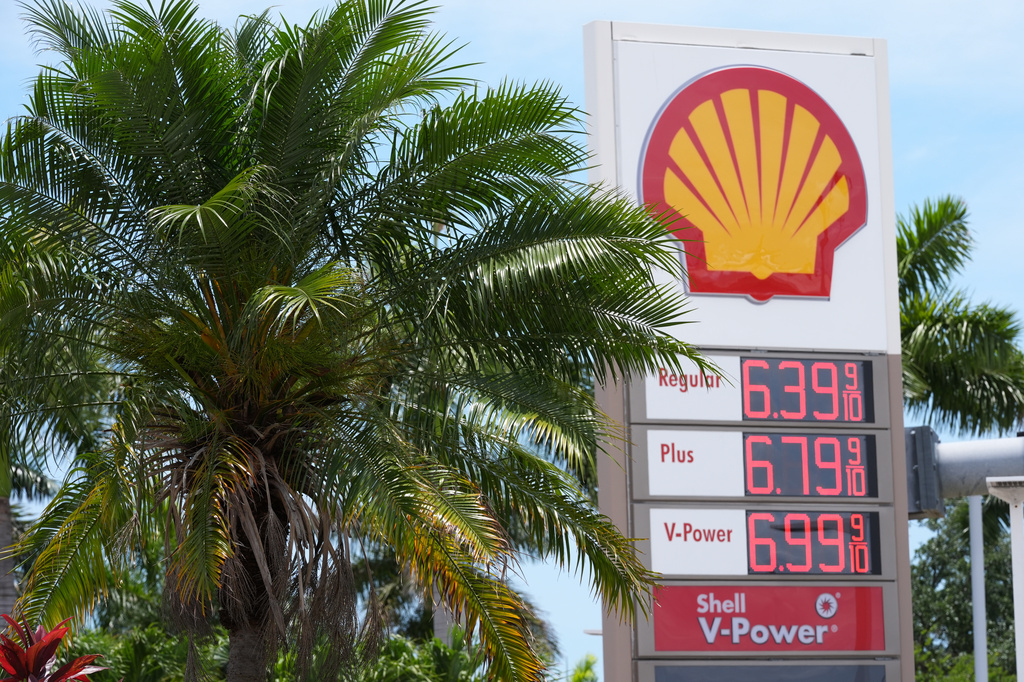
The proposed legislation includes a gas tax holiday through October 1, 2026, while another aims for an initial suspension of 90 days. The current federal gas tax stands at 18.4 cents per gallon for gasoline and 24.4 cents for diesel. A suspension could lead to significant savings for drivers, but some states have already taken action.
States like Georgia, Indiana, and Utah have implemented their own suspensions or reductions. Oregon residents will soon vote on repealing an increase to their gas tax. These state-level initiatives highlight the varying approaches to addressing high gas prices.
State Gas Taxes and Their Impact
State gas taxes vary widely, with California having the highest at 70.92 cents per gallon and Alaska the lowest at 8.95 cents. These taxes fund highway construction, maintenance, and public transportation. Some states use fixed rates, while others adjust based on inflation and infrastructure needs.
Colorado has one of the lower gas taxes, ranking 22nd out of 51. The state’s $0.2918 tax is below the national average of $0.3327. U.S. territories also have their own local gas taxes, but not federal ones.
Residents in states facing high gas prices have expressed frustration. An Oregon resident told the Associated Press, “Gas is certainly dampening the spirits and the coffers of folks that aren’t as well off.”
Energy Secretary’s Perspective
Energy Secretary Chris Wright acknowledged the uncertainty surrounding oil prices, stating he could not predict when they would stabilize. He previously believed gas prices might drop below $3 per gallon by summer but did not make the same claim recently.
Wright emphasized the long-term benefits of ending the war in Iran, suggesting it would improve energy flow and reduce prices. However, he admitted that the short-term effects would be challenging.

Post a Comment for "Colorado's Gas Tax: How It Stacks Up Nationally"
Post a Comment