
Coal Returns as War Drives Demand
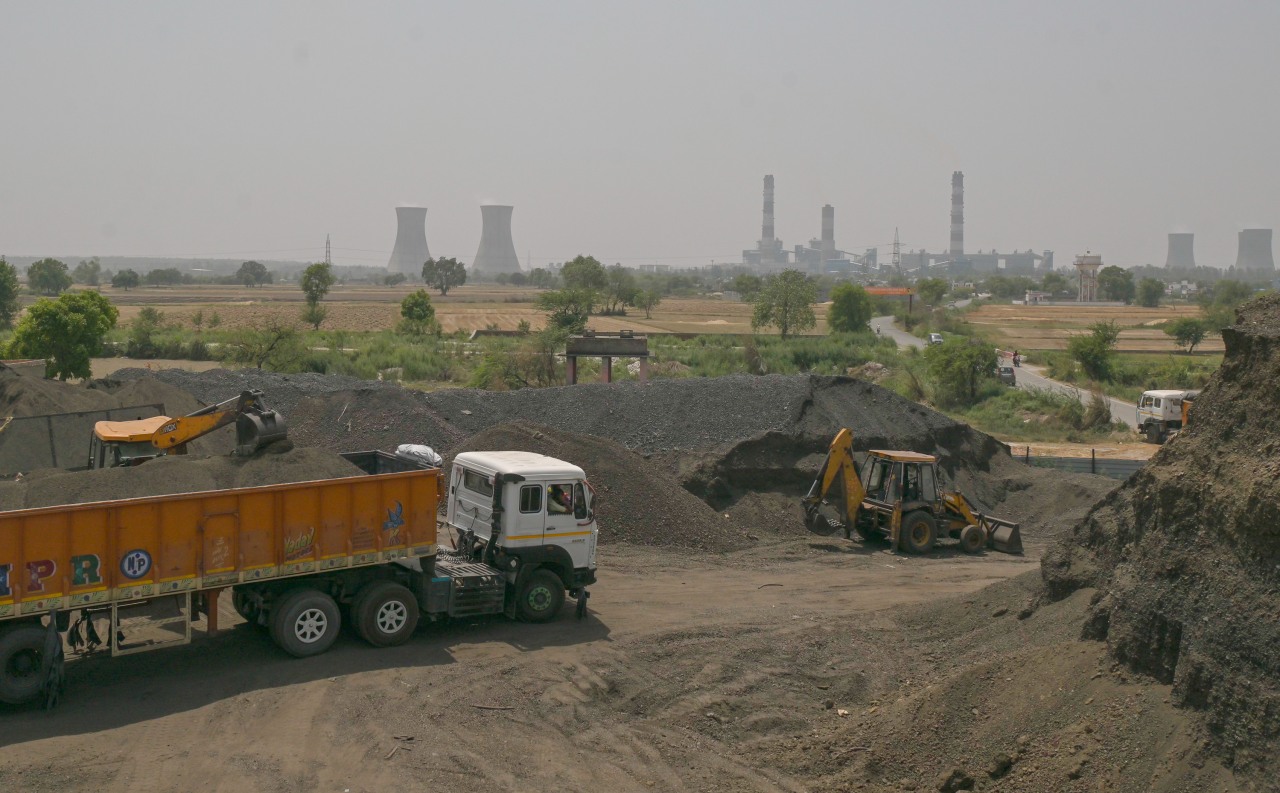
The Resurgence of Coal in a Changing Energy Landscape
Coal is making a comeback, driven by a combination of geopolitical tensions and energy supply disruptions. Countries around the world are turning to this highly polluting but reliable source of power as they navigate the challenges posed by the ongoing conflict in the Middle East.
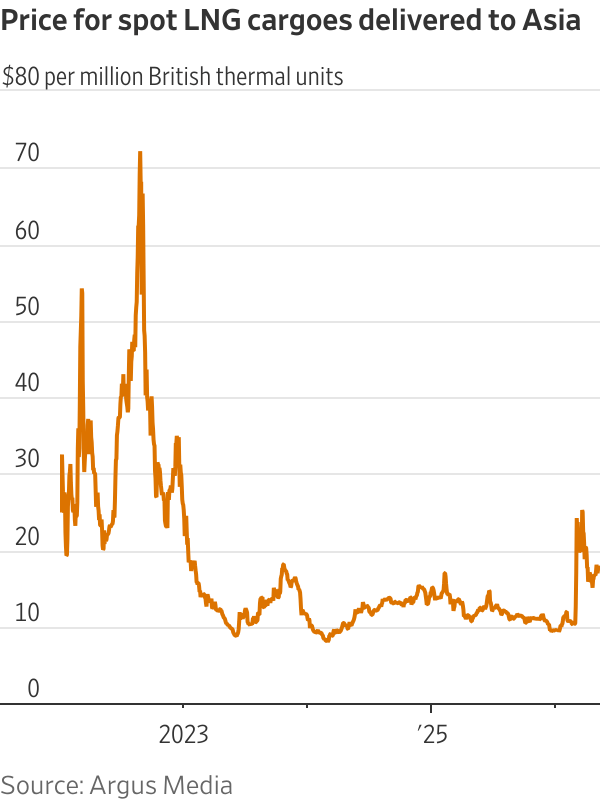
The situation has been exacerbated by the closure of the Strait of Hormuz, which has effectively cut off approximately 20% of global liquefied natural gas (LNG) supplies. This has forced several nations to reassess their energy strategies and rely more heavily on coal.
Global Shifts in Energy Consumption
Taiwan is one of the countries that have taken significant steps to increase coal usage. It has restarted idled coal-fired power plants, signaling a shift away from its previous efforts to reduce reliance on coal. Similarly, South Korea has boosted coal-generated electricity by more than a third in the last month, highlighting the growing importance of coal in the region.
In Europe, Italy has put its coal plants on standby as it prepares for a potential prolonged energy crisis. This move reflects the broader trend of countries reevaluating their energy mix in response to unpredictable supply chains and rising costs.
Rising Prices and Strategic Considerations
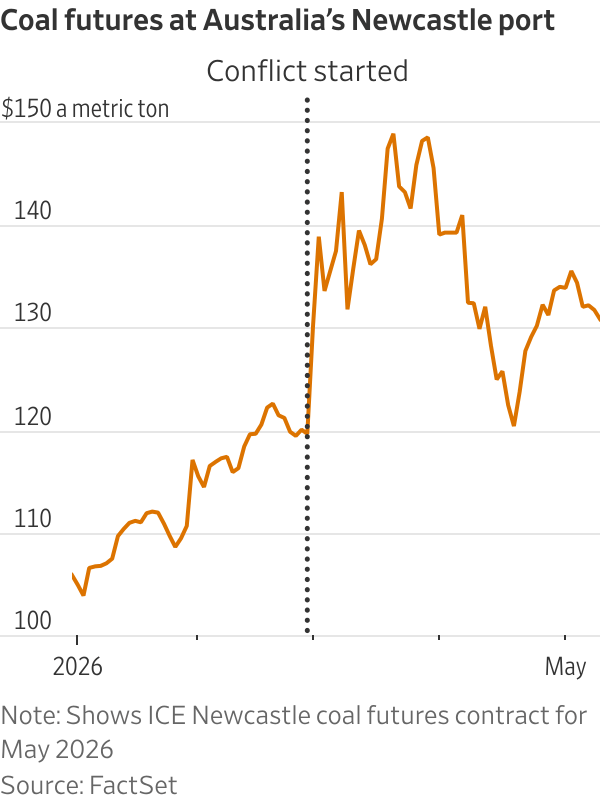
Spot coal prices at Australia’s Newcastle port, a key supplier to Asia, have increased by 12% since the war began. This benchmark briefly exceeded $140 per metric ton in mid-March, marking the highest level since late 2024. While this is significantly lower than the $440 reached in the wake of Russia's invasion of Ukraine in 2022, the upward trend is clear.
Tony Knutson, head of thermal coal markets at consulting firm Wood Mackenzie, noted that "coal is a buffer fuel right now. It is independent of geopolitics relative to LNG. It is a hedge." He added that as long as the conflict continues and the strait remains closed, coal will fill that gap.
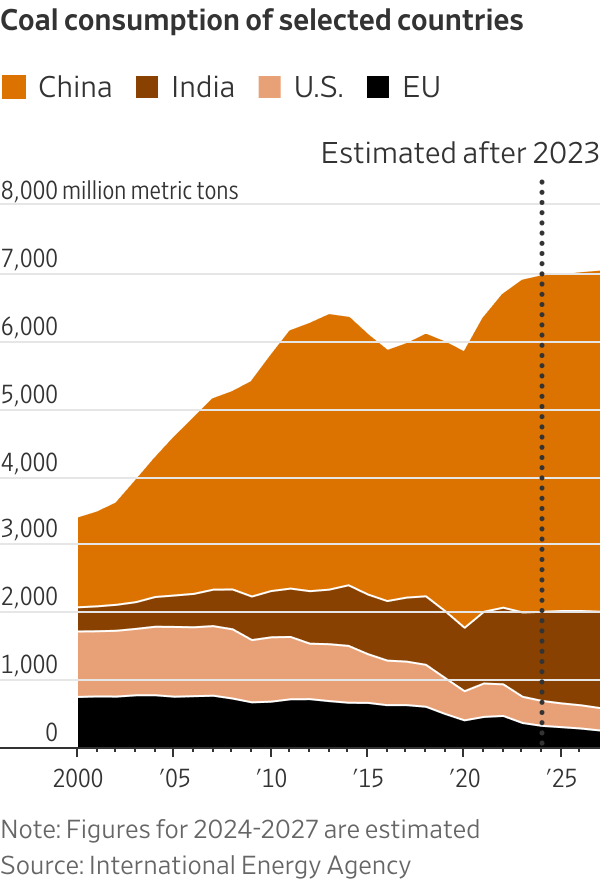
This return to coal is not without environmental implications. Many countries have made efforts to reduce coal consumption in recent years to combat climate change, often turning to LNG as an alternative. However, the current situation may delay these reductions.
Lessons from the Past
The current shift back to coal echoes the events of 2022, when tight gas supplies following Russia’s war in Ukraine led countries around the world to turn to coal to keep power flowing. At that time, Europe was the primary buyer of coal, leading to shortages and record-high prices.
This time, the shift is most pronounced in Asia, where some countries face imminent gas shortages. Almost 90% of the total LNG volumes exported via the Strait of Hormuz are typically destined for Asia. However, since the war started, only three ships with LNG have passed through the crucial waterway.

Specific Examples of the Trend
Taiwan, which typically generates about half its electricity from LNG and sources around a third of the fuel from Qatar, is now restarting two coal-fired power generators. These units had been idle for months as the island tried to shift away from coal.
Taipower, the state-run utility company, cited the war’s impact on international energy markets and the continued risk to LNG supplies as reasons for the decision. The company stated that many countries have taken emergency measures to boost coal-fired power generation to "reduce the impact of high natural-gas prices on electricity prices and people’s livelihoods."
India has also issued an emergency coal directive, essentially forcing power plants that run on imported coal to maximize output ahead of what is expected to be a hotter-than-normal summer. Electricity demand for air conditioning units is anticipated to surge, raising concerns about the country’s ability to generate sufficient power.
Regional Responses and Future Outlook
South Korea has seen a significant increase in coal-generated electricity, with coal producing 12.1 terawatt-hours in March and 10.7 terawatt-hours in April—marking a 36% and 39% increase respectively from a year earlier. Thailand has also restarted two coal units at one of its power plants as a way of offsetting higher gas costs.
While Europe has seen less shifting from gas to coal, there are signs that some countries are reconsidering their energy strategies. Italy’s energy minister mentioned the possibility of reactivating coal-powered plants if the conflict triggers an energy crisis. Germany's Chancellor Friedrich Merz has also raised the possibility of delaying the closure of individual coal plants in the event of a supply shortage.
Analysts now expect global demand for seaborne coal to increase this year, rather than plateau. Martin Senior, head of LNG pricing at Argus Media, noted that "burning coal instead of gas for most countries is mostly a question of price." He added that while some countries like Japan and South Korea can prioritize gas over coal for pollution reasons, elevated gas prices may lead them to continue using coal.

Post a Comment for "Coal Returns as War Drives Demand"
Post a Comment