
Bourbon Overload: A Threat to Big Alcohol
The Heart of Bourbon Country Faces a Slowdown
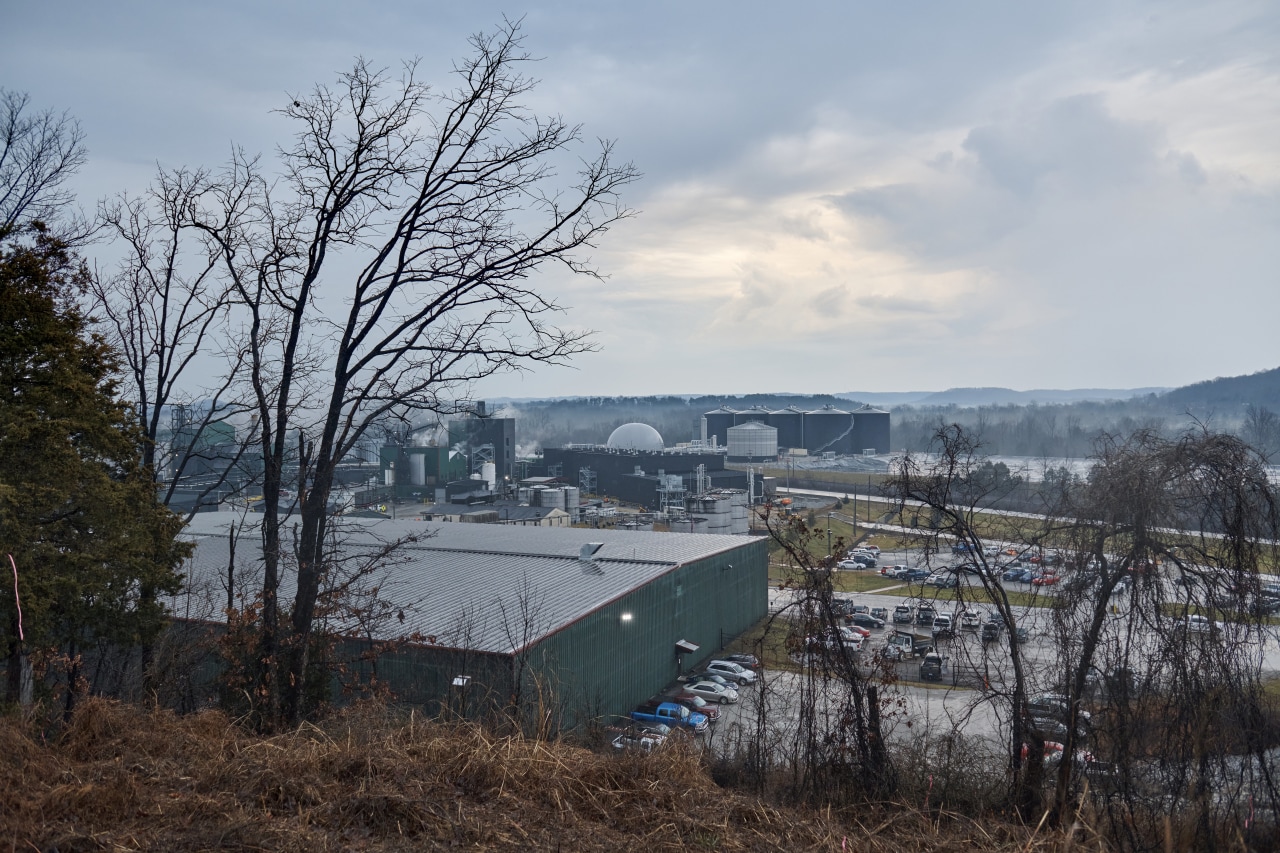
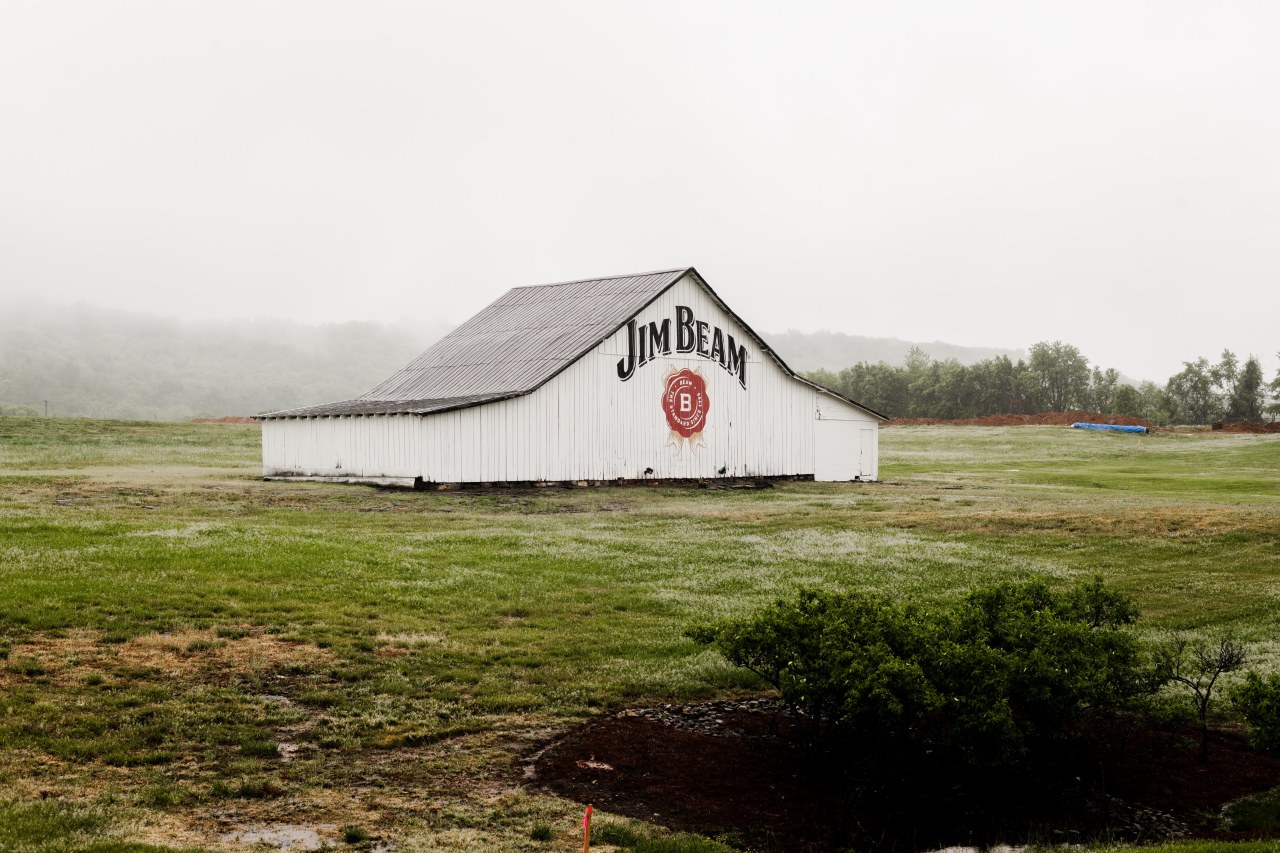
LOUISVILLE, Ky.—The beating heart of Kentucky’s bourbon country sits inside a towering building that bills itself as “The Hardest Working Still in America” in large white letters. It can churn out a barrel of Jim Beam whiskey roughly every 93 seconds. Since January, the 65-foot-tall still has been on a break. And that break is slated to last until at least 2027.
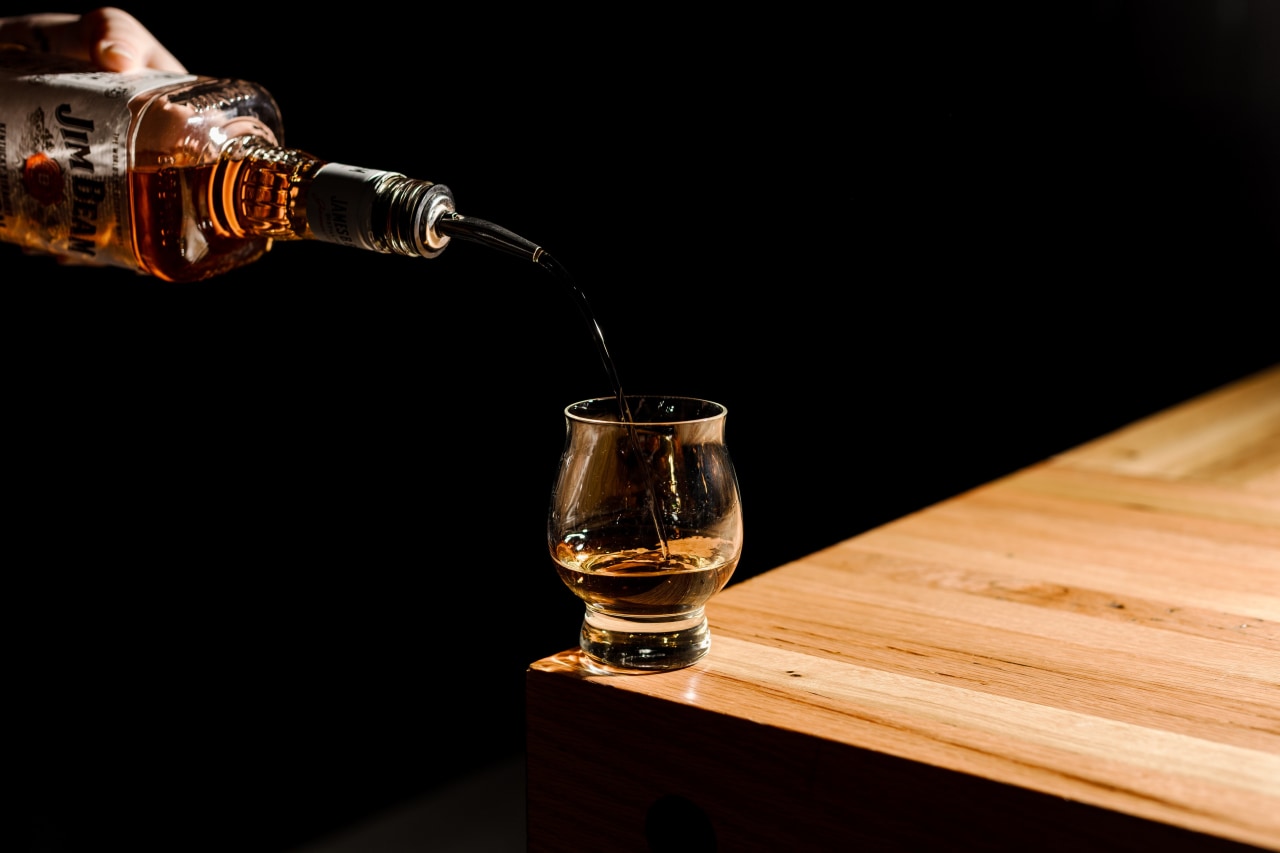
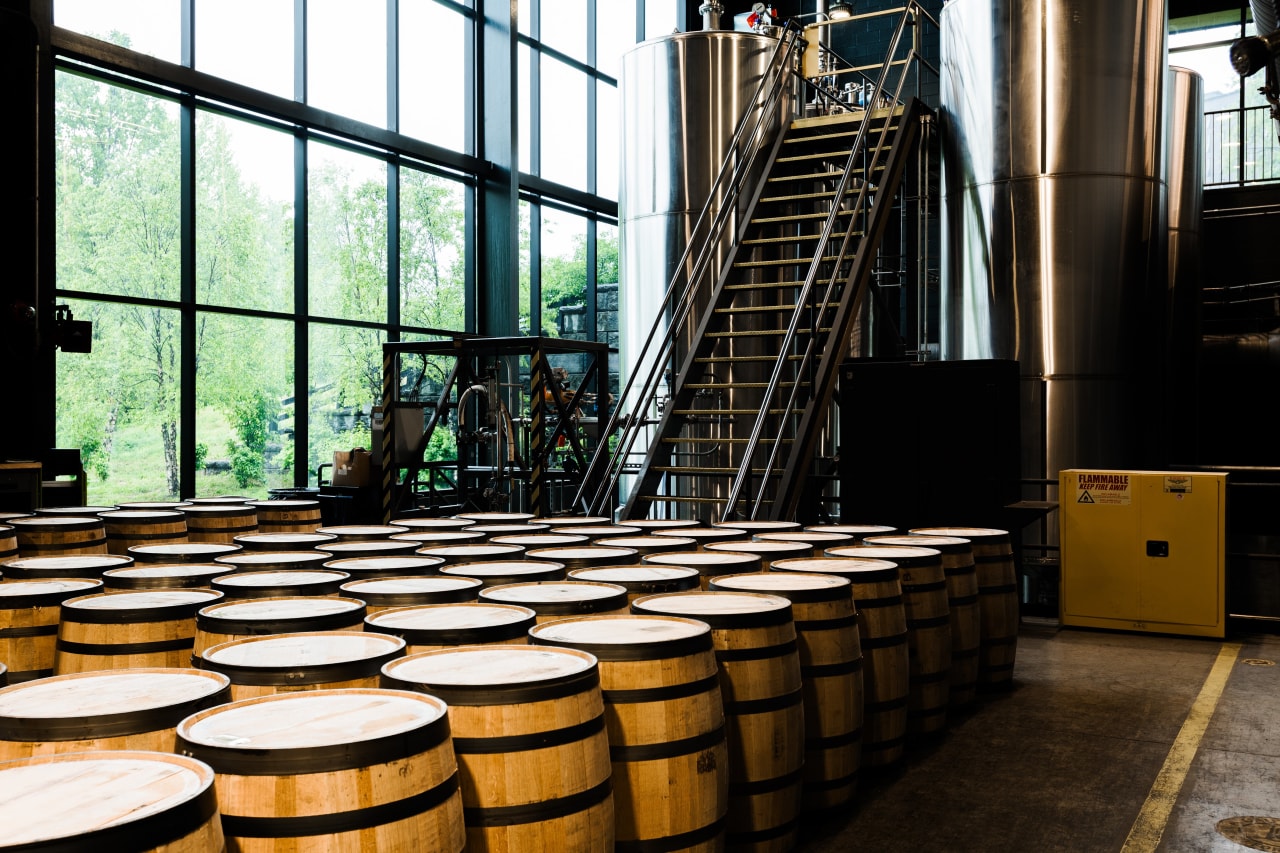
Across the roughly 430-acre campus south of Louisville, warehouses are jam-packed with barrels full of dark-brown liquor that may not have buyers. Distillery workers have been reassigned to bottling, and the company is experimenting with new ways to sell its bourbon, including pushing flavored varieties. Jim Beam, which predates the Civil War and weathered Prohibition—and is now owned by Japan’s Suntory Holdings—is fighting through another downturn.
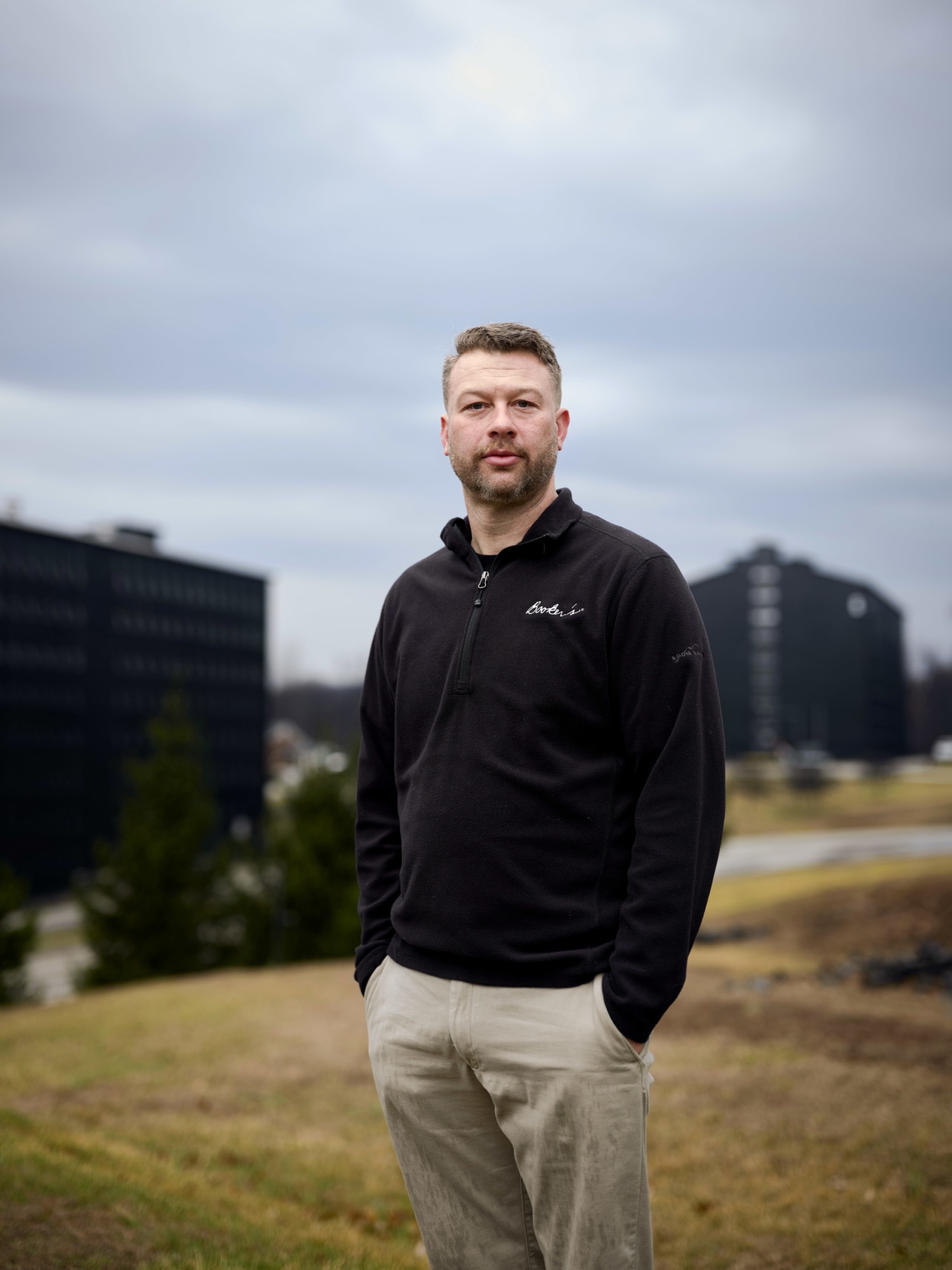
“It’s very emotional,” said Freddie Noe, an eighth-generation member of the brand’s founding family and the master distiller at Jim Beam, the world’s bestselling bourbon brand. “We’ve had very critical conversations and we’ve made decisions for the long-term success of our family’s products.”
A Industry in Transition
The birthplace of bourbon is swimming in it. The rolling, forested hills of Kentucky’s bourbon country are ground zero for the slowdown afflicting the U.S. alcohol industry. Distilleries of all sizes have laid off staff, or shut down altogether. Even barrel suppliers are feeling it.
More Americans are joining the ranks of the sober-curious, and inflation has prompted some steady drinkers to cut back. GLP-1 weight-loss drugs are having the same effect. Cannabis and THC beverages are widely available, offering a hangover-free buzz. And the Trump administration’s trade wars have dented U.S. alcohol exports.
Most industry players didn’t see the collapse coming. It all started during the Covid-19 pandemic, when Americans heavily stocked their bar carts during lockdowns with bourbon and other spirits.
From Buzz to Bust
Kentucky is where 95% of the world’s bourbon is made, according to the state distillers’ group. There are 125 licensed distilleries, according to state data, more than at any point since Prohibition’s repeal in 1933.
The recent bourbon craze kicked off in 2010, when a resurgent cocktail culture helped elevate the Old Fashioned and craft drinks in bars from London to Los Angeles. It was a boon for Kentucky, bringing more infrastructure, fancy steakhouses and transplants, some of whom hoped to strike it rich making what the industry calls America’s native spirit.
Dixon Dedman, 44, is Kentucky-born and -raised. For five generations, his family has owned and operated the Beaumont Inn, famous for its corn pudding.
In 2010 Dedman started to resurrect his great-great-grandfather’s Kentucky Owl bourbon brand as a passion project. “If no one bought any bottles,” he said, “I would have a bunch of whiskey to pour at my kids’ wedding someday.”
Under the Barrel
Under U.S. law, bourbon must be distilled from a mix of grains containing at least 51% corn, and aged in new, charred barrels of oak. Kentucky bourbon must physically be aged in that state for at least a year.
Barrel making is a big business. But like distillers, some of the makers of those barrels are struggling to find buyers for their products.
The barrels that cooperages across the country produce for bourbon-makers no longer fetch the prices they once did. At the peak—in 2023 and 2024—distillers were paying upward of $285 per barrel. Since then, prices have dropped significantly, industry players say.
The barrels’ first life is to age bourbon. After that, they are often resold to distillers in Scotland or Ireland, where they can find a second act storing scotch, rum or other spirits, over a lifespan of some 80 years.
Distilleries were selling used barrels on the resale market for more than $200 in at the end of 2024. Today, they’re going for around $50, as liquor demand has also plummeted.
Some whiskey makers have begun to sell their barrels for use as garden planters.
“If you got into this barrel business thinking you have never-ending growth and it’s a seller’s market, you’re gonna be very disappointed,” said Brad Boswell, the chief executive of Independent Stave Company, which provides barrels to wine and spirits businesses.
Stocking Up on Change
Michael Myers, a former fashion photographer, started Distillery 291 in Colorado Springs, Colo., after fleeing New York City in the wake of the 9/11 terrorist attacks.
The brand’s small-batch bourbon, which retails for around $75 per 750 ml bottle, built a cult following and got a lift during the pandemic. But as people pulled back on drinking, Distillery 291’s sales slid, and inflation has made craft spirits less affordable.
“People didn’t have as much cash to spend on things,” said Myers, and dedicated fans are saving money by drinking the whiskey they already have.
Myers said his business hit bottom last year, and 291 was in survival mode. He cut production and reduced his staff to 12 from 30. After these measures he’s seeing early results of growth so far this year.
Woodford Reserve maker Brown-Forman is cutting back too. The company, which got its start as a distiller in 1870 in Louisville and is best known for its Jack Daniel’s Tennessee Whiskey, said last year would lay off 12% of its 5,400-person workforce in response to weakening sales.
The cuts were supposed to yield $70 million to $80 million in savings. In a recent investor call, the company said that it was still feeling the pain of Americans pinching pennies, along with plummeting prices for barrels it sells to other spirit makers.
In Louisville, Brown-Forman closed the cooperage that made barrels to house its spirits, which also include Old Forester bourbon. The company said it planned to get more than $30 million from the sale of the cooperage.
Brown-Forman has also considered a more drastic measure: merging. In March the company confirmed reports that it was in deal discussions with French spirits company Pernod Ricard. In late April both companies said they had ended discussions after failing to strike a deal. At the time, Brown-Forman said it planned to focus on growing its geographic footprint, building brands and becoming more efficient.
Louisville-based Sazerac, which produces Buffalo Trace and other whiskey brands, has also expressed interest in a deal with Brown-Forman.
Prohibition as Prologue
To weather the alcohol business’s current downturn, Jim Beam is taking a page from the Prohibition era.
During the U.S. government’s nearly 14-year federal ban on alcoholic beverages, James Beauregard Beam took a shot at coal mining and citrus production. With alcohol consumption ebbing again, the brand is now experimenting with a zero-alcohol citrus cocktail it calls Citrus Sin—in homage to Beam’s Prohibition-informed philosophy that not promoting agriculture and community employment was a sin.
Jim Beam is trialing the drinks at Formula One car races across the world. It is the first time since Prohibition that an alcohol-free product has carried the Jim Beam brand.
To help move its barrels of stored bourbon, Jim Beam encouraged folks to make their own bourbon-and-lemonade cocktails, recruiting comedian Kenan Thompson to pitch the products. Bottles of pineapple-infused bourbon have proved to be popular with younger tipplers.
After pausing distilling operations in Clermont, the company moved most of its production to its Booker Noe facility just down the street, named for Noe’s grandfather. The brand continues to make some whiskey in its small-batch craft still at Clermont.
“There’s a lot of emotion that goes on here day in and day out,” Noe said.
Jim Beam’s Clermont campus has diversified too. The brand is advertising that its facilities remain open to visitors, who totaled around 150,000 last year.
The attractions link back to its place in bourbon history, near Jim Beam Lake, a water source for the spirit. Inside a tin black building with brands like Booker’s, Knob Creek and Jim Beam written on the outside, visitors can see a replica of the 1939 Cadillac Beam himself used to transport his family’s yeast, which the company said still is used to make bourbon today.
“We are not shutting down,” said Noe. “The bourbon community has done nothing but grow and welcome people in. That opportunity is still there.”

Post a Comment for "Bourbon Overload: A Threat to Big Alcohol"
Post a Comment