
WNBA Returns with Star-Studded Superteams and Big Money
The WNBA's 30th Season: A New Era of Growth and Competition
The Women’s National Basketball Association (WNBA) is celebrating its 30th season, marking a significant milestone in the history of professional sports. As the league continues to evolve, it has become a stage where legends are made and dynasties are built. With each passing year, the competition intensifies, and the potential for greatness grows.
Over the years, only a handful of teams have come close to establishing themselves as true powerhouses. The Houston Comets dominated the early years, winning four consecutive titles from 1997 to 2000. Then came the Minnesota Lynx, who captured four championships within seven seasons between 2011 and 2017. Now, the Las Vegas Aces are poised to challenge these legacies.
The Rise of the Las Vegas Aces
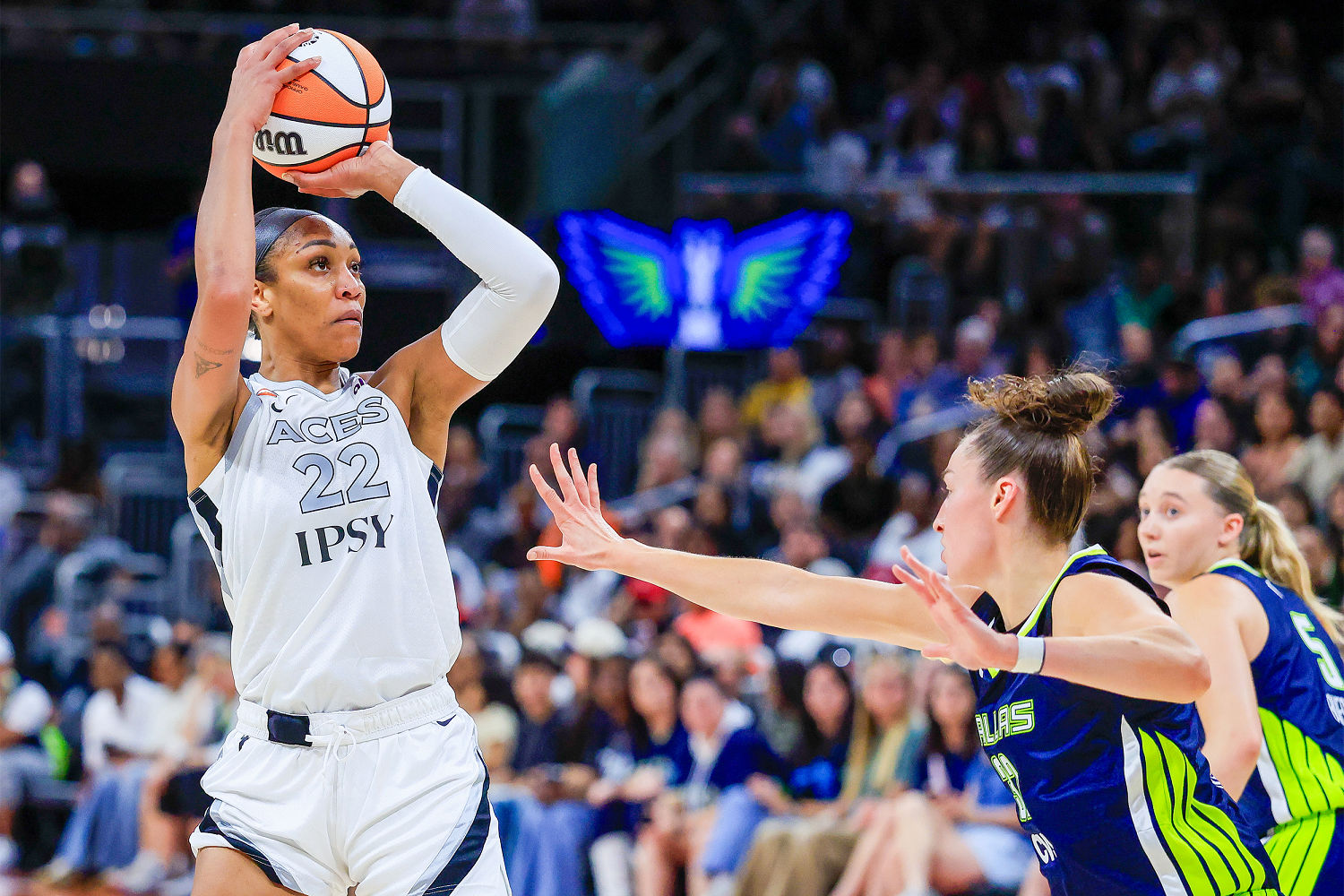
The Aces have been on an impressive trajectory, securing three of the last four WNBA titles. Their success can be attributed to a combination of elite talent, strategic coaching, and a strong supporting cast. At the center of this team is A’ja Wilson, widely regarded as the best player in the league. Standing at 6-foot-4, Wilson averages 23.4 points, 10.2 rebounds, and 42.4% shooting from beyond the arc. In just eight seasons, she has already claimed four MVP awards, three Defensive Player of the Year honors, and two Finals MVP titles.
Wilson remains humble despite her achievements, stating, “I’ve worked so hard to get to these situations and put myself in these spaces that I’m like, ‘OK, yeah, I’ve earned it, of course.’ But when it comes to people and where they want me and they’re saying are you the next GOAT? I have no idea, because in my mind I have a lot more winning to do.”
With a roster featuring All-Stars Jackie Young, Chelsea Gray, and Jewell Loyd, and the guidance of coach Becky Hammon, the Aces are a formidable force. However, their dominance may soon face a serious challenge.
The New York Liberty: A Superteam Emerges
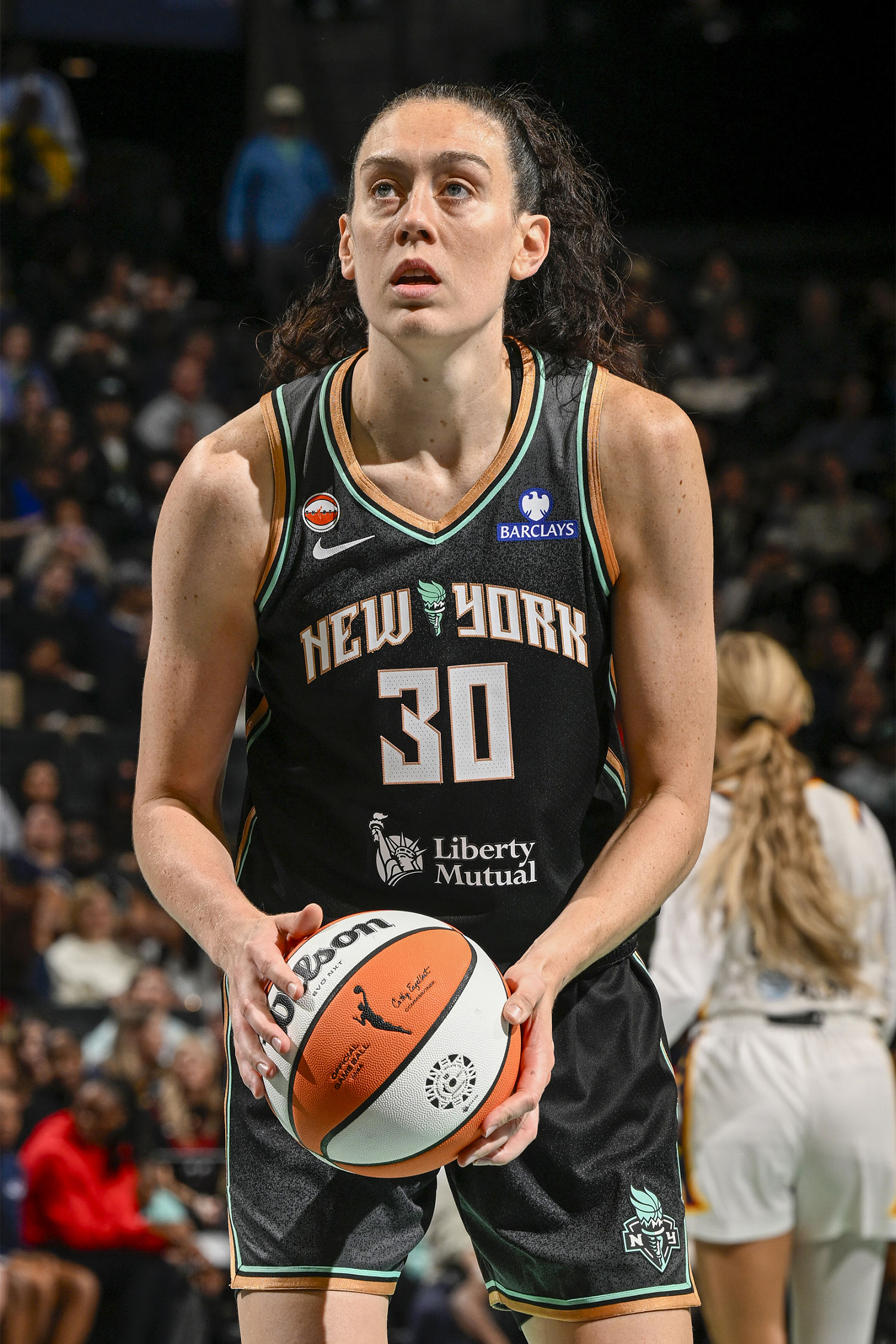
The New York Liberty, led by head coach Chris DeMarco, are shaping up to be the Aces' most dangerous rival. This offseason, the Liberty re-signed their "big three" — Sabrina Ionescu, Breanna Stewart, and Jonquel Jones — while adding Satou Sabally, a 6-foot-5 forward who was Ionescu’s college teammate at Oregon. This new lineup offers unparalleled size and versatility, with Stewart, Jones, and Sabally all standing 6 feet 4 or taller and capable of shooting from deep.
DeMarco, formerly an assistant coach with the NBA’s Golden State Warriors, brings experience in managing star-laden teams. His task now is to help the Liberty’s stars coalesce into a cohesive unit, potentially challenging the Aces' dominance.
Other Contenders and Rising Stars
While the Aces and Liberty dominate the headlines, other teams are also making waves. The Indiana Fever, led by Caitlin Clark, remain a key player in the league despite injuries that limited her to just 13 games last season. Clark, the face of the sport, showed resilience, though her performance dipped slightly during her limited playing time. Her teammate, Aliyah Boston, a 6-foot-5 forward and former No. 1 draft pick, is emerging as a two-way threat and could play a crucial role in the Fever's playoff aspirations.
The Atlanta Dream, the No. 3 seed in last year’s playoffs, made a major move by acquiring Angel Reese from the Chicago Sky. Reese, a rebounding machine, averaged 12.9 rebounds per game in her first two seasons.
Meanwhile, the Minnesota Lynx are in a transitional phase. They lost several key players, including Napheesa Collier, who will miss the start of the season due to ankle surgery. This presents an opportunity for younger players to step up.
Financial Growth and Expansion
The WNBA is experiencing unprecedented financial growth. After lengthy negotiations, the league finalized a new collective bargaining agreement that includes supermax contracts worth $1.4 million annually. The salary cap has also increased significantly, reaching $7 million per team. The No. 1 overall draft pick now earns $500,000 in her first year, and A’ja Wilson recently signed a three-year, $5 million supermax deal, the largest in league history.
This financial boost has allowed the league to expand, adding two new teams this season: the Portland Fire and the Toronto Tempo. Over the next few years, three more teams will join: the Cleveland Charge in 2028, the Detroit Mercy in 2029, and the Philadelphia Independence in 2030. By 2030, the WNBA will have 18 teams, far exceeding its original eight in 1997.
Looking Ahead
As the 30th season begins, the WNBA stands at a crossroads. With rising stars like Caitlin Clark, Paige Bueckers, and Azzi Fudd entering their primes, the future looks bright. For now, fans can look forward to watching the Aces and the Liberty battle for supremacy in a league that continues to grow and thrive.

Post a Comment for "WNBA Returns with Star-Studded Superteams and Big Money"
Post a Comment