
Atkins Unveils New Framework for Onchain Markets
The SEC's Potential Shift in Crypto Policy
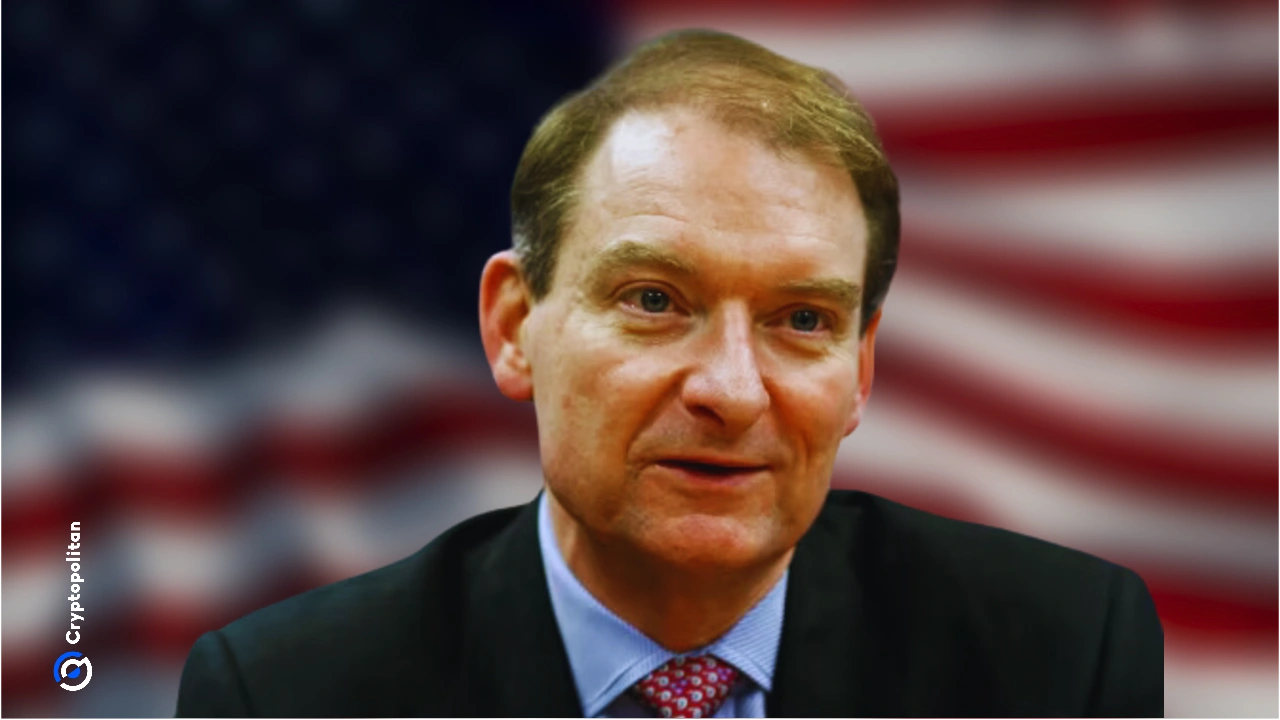
The U.S. Securities and Exchange Commission (SEC) is reportedly preparing for one of the most significant changes in its approach to cryptocurrency regulation in recent years. Chairman Paul Atkins has called for formal rulemaking that would address decentralized finance (DeFi) platforms and blockchain-based trading systems. This shift comes as a notable departure from previous strategies, signaling a potential move toward more structured and comprehensive oversight.
Atkins made these remarks during a speech at the Special Competitive Studies Project AI+ Expo in Washington. He emphasized that existing securities rules were designed for traditional financial intermediaries and no longer align with modern on-chain systems that can execute trading, settlement, liquidity routing, and collateral management through software. "Software applications today do not always organize themselves neatly along these categorical lines," he stated, highlighting the need for updated regulatory frameworks.
Revisiting Legal Definitions
One of the key points raised by Atkins is the need for the SEC to revisit how legal definitions such as "exchange," "broker," and "clearing agency" apply to blockchain protocols. This would involve a formal notice-and-comment process, allowing input from various stakeholders. This approach marks a contrast with the enforcement-heavy strategy under former Chair Gary Gensler, who focused largely on taking action against token issuers, exchanges, and DeFi projects.
Atkins appears to be suggesting that some aspects of DeFi may require new regulatory treatment rather than relying on existing rules. He also pointed to crypto vaults—on-chain applications that allow users to earn passive yield—as an area where the agency intends to provide more clarity.
Global Implications of SEC Policies
Although the proposals originate from Washington, their impact could extend far beyond the United States. Many of the largest crypto exchanges and decentralized protocols rely heavily on U.S. dollar liquidity, American venture funding, institutional counterparties, or access to U.S.-linked banking infrastructure. As a result, SEC guidance often becomes an informal global standard, even for projects based overseas.
This trend was evident earlier this year when the SEC and Commodity Futures Trading Commission introduced a joint framework categorizing digital assets into groups such as digital commodities, stablecoins, digital collectibles, and digital securities. Reuters reported that this framework followed years of lobbying from the crypto sector for clearer rules.
Regulators in Europe, Singapore, and the United Arab Emirates have also been moving toward more structured crypto oversight, though their approaches differ. The European Union’s MiCA framework separates digital assets into multiple regulatory categories, while Singapore and Dubai have created licensing systems specifically for crypto trading, custody, and token issuance.
Industry Response and Future Outlook
Lawyers and compliance advisers suggest that the SEC’s eventual definitions for on-chain trading systems could influence how global platforms structure products, user access, and compliance operations moving forward. This is particularly relevant for DeFi protocols, which process billions of dollars in trading activity every week while serving users across multiple jurisdictions.
Atkins compared the current moment to the rise of electronic trading systems in the late 1990s, referencing Regulation ATS, which allowed alternative electronic trading venues to operate without registering as full national securities exchanges. "The SEC will keep moving forward in its work to accommodate markets moving onchain," he said, according to Bankless.
Positive Industry Reaction
The response from crypto industry groups has been largely supportive, reflecting growing optimism that the SEC may be moving toward a more collaborative relationship with digital asset firms. The DeFi Education Fund described Atkins’ comments as “powerful” in a post on X. The Hyperliquid Policy Center welcomed a chairman “willing to map these systems to existing legal frameworks on their own terms, rather than force them into legacy categories built for legacy architecture.”
These comments follow a recent SEC staff statement indicating that DeFi wallet interfaces generally would not be treated as brokers, a move widely seen as reducing regulatory pressure on developers building decentralized applications and trading interfaces.
Legislative Challenges
Despite this positive shift, Congress remains divided over broader crypto legislation, including the proposed CLARITY Act. This legislative gridlock could leave the SEC’s own rulemaking process as the fastest path toward a workable regulatory framework for decentralized markets.
The agency has not announced a timeline for releasing proposed rules. However, Atkins previously told Reuters that the SEC planned to release a crypto safe harbor proposal for public comment “in the coming weeks” as of March 2026.
Your bank is using your money. You’re getting the scraps. Watch our free video on becoming your own bank

Post a Comment for "Atkins Unveils New Framework for Onchain Markets"
Post a Comment