
What if menus revealed inflation's true cost?
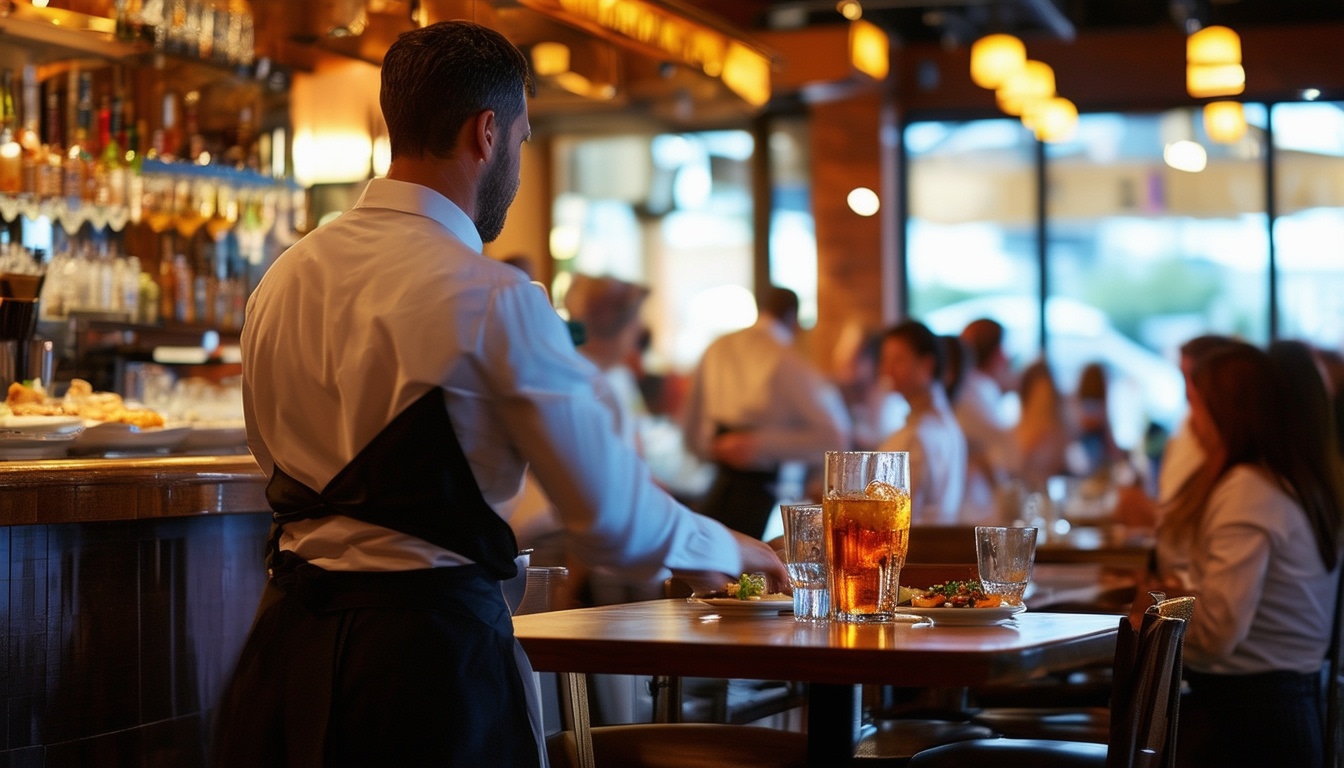
Eating out is a common part of many people’s lives, and it can quickly add up. While menus list what's in a dish, they don’t reveal the factors that contribute to its price. With inflation on the rise, understanding why restaurant prices are increasing is becoming more important than ever.
According to the Bureau of Labor Statistics, the cost of eating out has gone up by 3.8% over the past year. This increase reflects broader economic trends that affect how restaurants set their prices. By examining these trends, consumers can better understand the reasons behind higher costs and make more informed choices about where and when to dine.
Why Prices Are Rising
Several factors contribute to the rising cost of dining out. One major reason is the increase in food and labor costs for restaurants. Over the past five years, these costs have risen by approximately 35%, as reported by the National Restaurant Association. Additionally, global events like the conflict in Iran have led to higher gas and energy prices, which can also impact restaurant expenses.
Restaurants typically operate with very tight profit margins. When their costs go up, they often have to adjust menu prices to stay in business. This means that even small increases in ingredient or labor costs can eventually translate into higher prices for customers.
How Prices Add Up
Price increases at restaurants rarely happen all at once. Instead, they tend to accumulate over time. According to data from the National Restaurant Association and the Bureau of Labor Statistics, menu prices rose by about 31% between February 2020 and April 2025. These increases are usually the result of multiple smaller adjustments rather than a single, large hike.
However, these changes aren't always visible to customers. The final price on a menu doesn't show the individual factors that contributed to it, such as increased ingredient costs or labor expenses.
What If Menus Showed It?
If menus were required to display more detailed information about how inflation affects prices, diners could gain a clearer understanding of what they're paying for. A dish might include details about recent cost increases related to ingredients, labor, or other expenses. This transparency could help customers decide whether a particular meal is worth the price.
However, implementing this change isn't straightforward. Most diners still prefer physical menus, with about 90% of Americans stating in 2024 that they would rather use a printed menu than scan a QR code, according to U.S. Foods. This preference limits the amount of information that can be included without making menus longer or more expensive to produce.
What You Can Do Now
While menus may not currently show the full story behind each price, there are still ways to manage the cost of dining out. One strategy is to compare similar dishes, as prices can vary more than expected. Choosing an appetizer instead of a main course or skipping higher-cost items like alcoholic drinks can also help reduce expenses.
Another approach is to consider how often you eat out. Even cutting back on one visit per month can significantly impact how much you spend over time. Making small adjustments to your dining habits can help you stay within your budget while still enjoying meals out.
By staying informed and making thoughtful choices, consumers can navigate the rising cost of dining out more effectively.

Post a Comment for "What if menus revealed inflation's true cost?"
Post a Comment