
Wealth Taxes Rise Nationwide: What You Need to Know
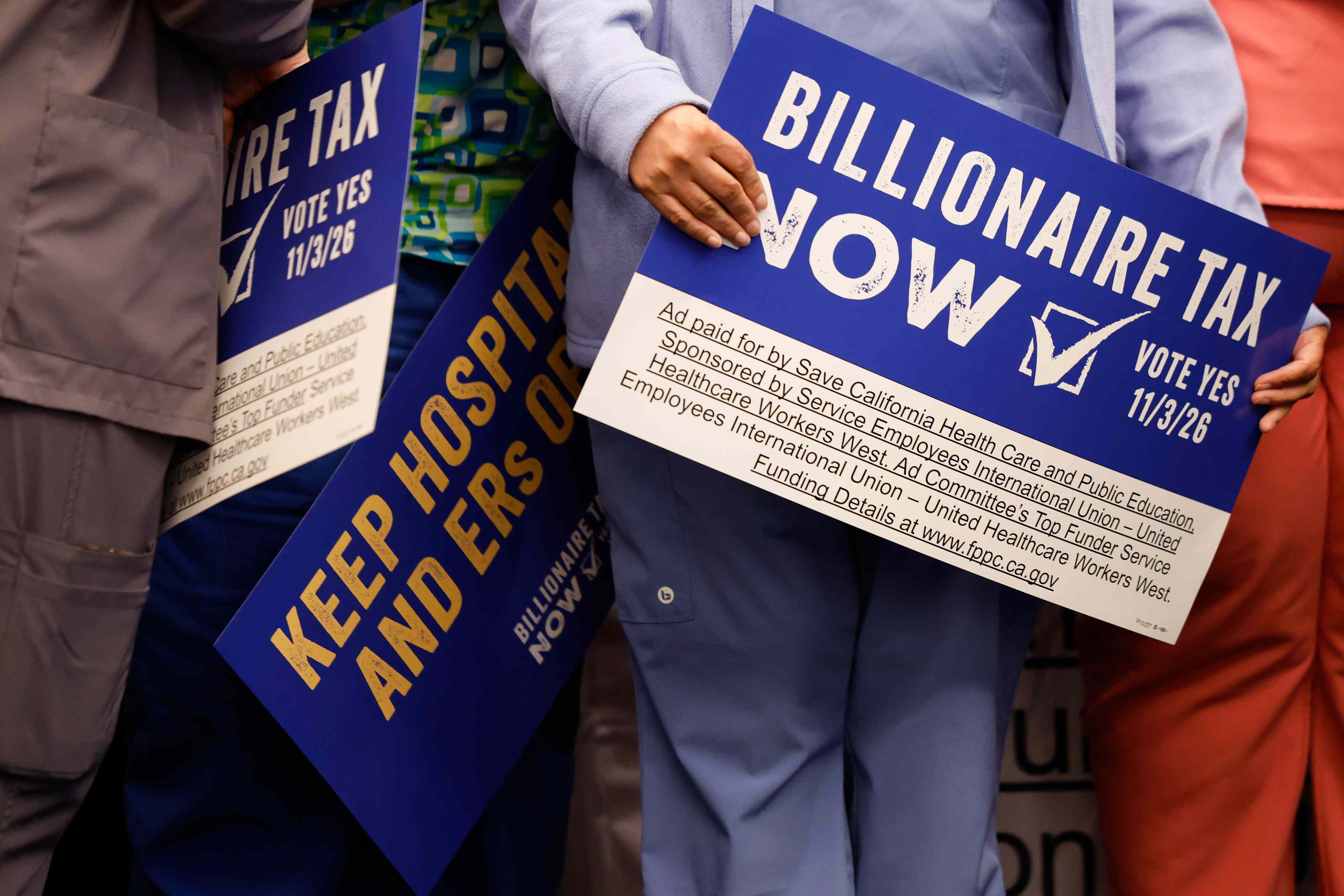
Overview of California's Proposed Billionaire Tax
California voters are set to make a significant decision in November regarding a one-time billionaire tax aimed at addressing a critical healthcare funding shortfall. This initiative is part of a broader trend where various states are exploring or implementing higher taxes on the wealthy. The proposed tax would impose a 5% levy on individuals with a net worth of $1 billion or more. To qualify for the ballot, the measure has already gathered nearly 1.6 million signatures, with more than half needing verification before it can be officially placed on the November ballot.
Perspectives on the Billionaire Tax
The debate surrounding the billionaire tax has sparked intense discussions among supporters and critics. Supporters argue that such taxes are essential for bolstering state revenue and filling budget gaps, particularly in areas like healthcare. On the other hand, critics contend that these taxes could encourage wealthy residents to relocate, potentially harming the state's economy.
California is not alone in its approach to taxing high-net-worth individuals. Maine has implemented legislation that increases taxes on high earners, with single filers earning over $1 million facing a 2% surtax on income above that threshold starting in 2027. Washington state has also introduced a millionaire tax, which will take effect in 2028, requiring residents to pay 9.9% on income exceeding $1 million.
New Jersey and Massachusetts have long-standing surtaxes on millionaires. According to the Tax Foundation, New Jersey was one of the first states to pass a millionaire's tax in 2004. In California, some billionaires, including Sergey Brin, co-founder of Google (now owned by Alphabet Inc.), have reportedly left the state to avoid the one-time tax, which would apply to billionaires who were residents as of January 1, 2026.
Brin expressed his concerns about the potential impact of the tax, stating, "I fled socialism with my family in 1979 and know the devastating, oppressive society it created in the Soviet Union. I don’t want California to end up in the same place." He has also supported a ballot initiative to counter the billionaire tax.
However, not all wealthy individuals share this view. Jensen Huang, CEO of Nvidia (NVDA), stated, "Whatever taxes ... they would like to apply, so be it. I’m perfectly fine with it," in an interview with Bloomberg.
Impact on Healthcare Funding
The billionaire tax in California is championed by SEIU United Healthcare Workers West, which claims the tax is necessary to address a healthcare funding shortfall attributed to Medicaid cuts in the One Big Beautiful Bill Act.
Massachusetts voters approved a similar millionaire tax in 2022, which took effect in 2023. Critics noted that $4.2 billion in income left the state in the year the tax was implemented. However, Massachusetts experienced similar outflows before the tax took effect, and the number of top earners leaving the state has decreased since, making it difficult to determine if the tax is directly responsible for the exodus.
Broader Implications
The discussion around billionaire taxes highlights the complex relationship between taxation, economic activity, and public policy. As more states consider similar measures, the outcomes will likely influence future debates on how to balance fiscal responsibility with the needs of the broader population.
The California initiative serves as a high-profile example of the ongoing dialogue about wealth distribution and the role of government in addressing societal challenges. Whether this tax will lead to increased revenue for healthcare or result in further migration of the wealthy remains to be seen.

Post a Comment for "Wealth Taxes Rise Nationwide: What You Need to Know"
Post a Comment