
Voting Rights Activists March in Selma for 'All Roads Lead to the South' Protest
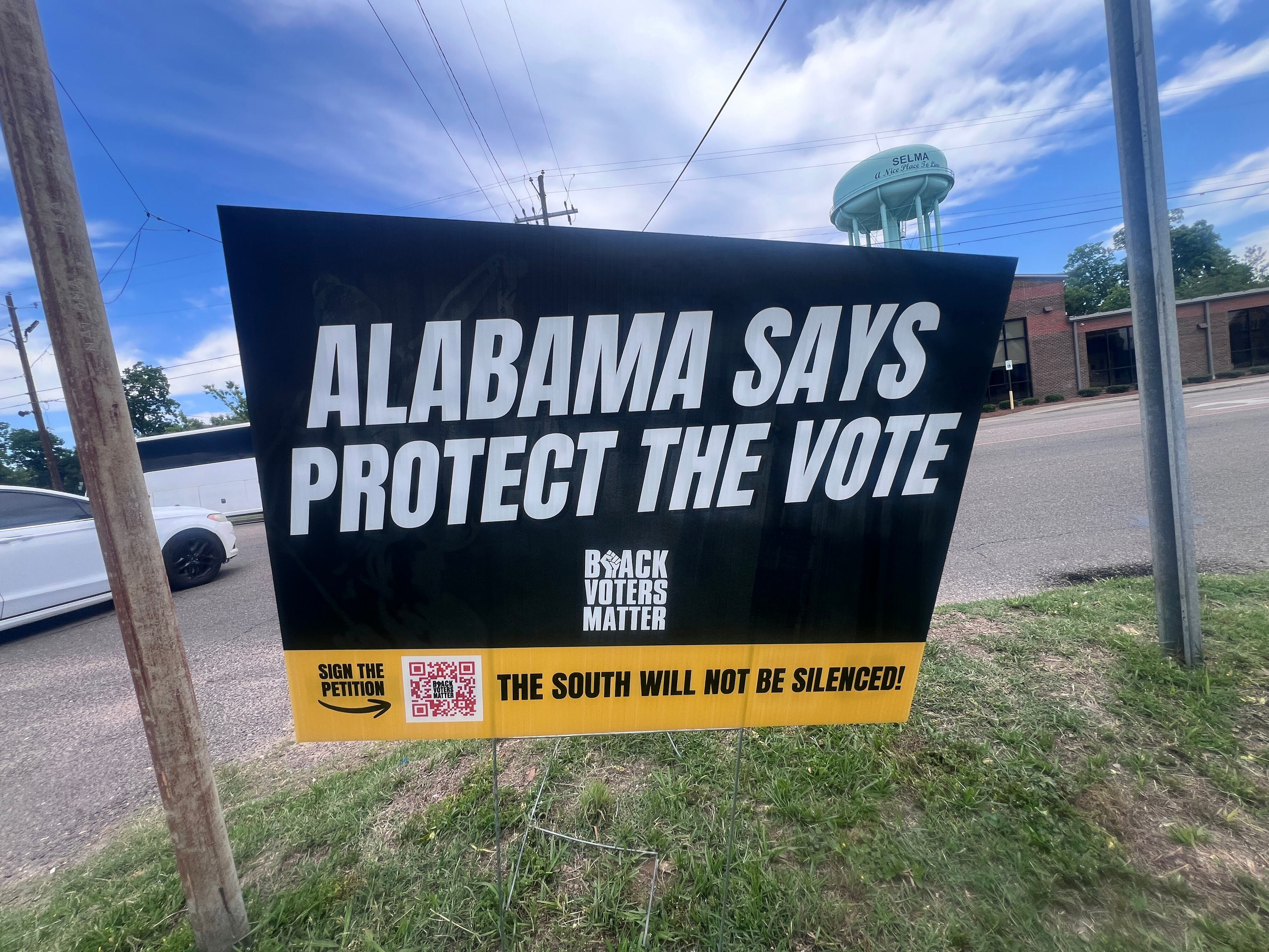
A Day of Reflection and Action in Selma
More than 60 years after the events of Bloody Sunday, hundreds of people gathered in Selma, Alabama, on a Saturday morning for a day filled with prayer, speeches, and demonstrations centered around voting rights and political representation. The event, titled “All Roads Lead to the South,” began at the historic Tabernacle Baptist Church before participants marched across the Edmund Pettus Bridge.
The demonstration was organized by a coalition of voting rights organizations, faith leaders, and advocacy groups. This initiative followed a recent U.S. Supreme Court ruling related to congressional redistricting. Organizers emphasized that the gathering aimed to draw attention to concerns about voting protections and political representation throughout the South.
According to organizers, similar demonstrations and solidarity events were held nationwide on Saturday, with Alabama serving as the focal point due to Selma’s significant role in the Civil Rights Movement.
Inside the church, various speakers, including pastors, activists, rabbis, elected officials, and community leaders, delivered powerful messages for over an hour. They repeatedly referred to Selma as “sacred ground” in the ongoing struggle for voting rights.
Among those who addressed the crowd was Terri Sewell, who delivered one of the most compelling calls to action during the event. Sewell emphasized that the fight over voting access affects all Americans, not just a single community.
“Voting rights are not partisan. Voting rights are fundamental to this democracy,” Sewell stated during the service. She later added, “This is not about Black voters. This is about every voter.”
Throughout her remarks, Sewell highlighted the continued importance of Selma in the national conversation about civil rights and voter access. She encouraged attendees to remain politically engaged and reminded them that elected officials are chosen through voter participation.
Sewell also mentioned the presence of more than 20 members of Congress participating in demonstrations in Selma and Montgomery.
Rebekah Caruthers, president and CEO of Fair Election Systems, explained that organizers chose Selma because they believe voting protections are once again under threat. “We’re here again to continue that fight,” Caruthers said. “We’re going to finish that fight. The fight that we’re here to finish is the fight for permanent voting rights in this country.”
Caruthers expressed concerns about how future district maps could impact representation at multiple levels of government, including congressional districts, school boards, county commissions, and city councils. She also connected the demonstration directly to Selma’s civil rights legacy.
“We’re here in Selma at the very church where many of the planning and the praying went into making sure that Black folks in Alabama had actual representation,” Caruthers said before the bridge walk began.
Faith leaders from various religious backgrounds also spoke during the service, emphasizing unity, democracy, and civic participation. One student rabbi described voting as both a civic and spiritual responsibility.
“Access to the vote is sacred and important,” the rabbi told the crowd. He also encouraged attendees to continue participating in democracy and stand alongside communities affected by voting changes.
Other speakers throughout the morning discussed the history of the 1965 Selma marches, the role churches played in the Civil Rights Movement, and the importance of continued voter engagement.
After the service, attendees left Tabernacle Baptist Church and marched through downtown Selma toward the Edmund Pettus Bridge. Participants carried signs, banners, and flags while law enforcement officers monitored traffic around the bridge area, which remained open to vehicles during the procession.
Many demonstrators paused while crossing the bridge, taking photos, praying, and singing as organizers reflected on the violence that voting rights marchers faced there in 1965.
The Selma gathering was followed later Saturday by a larger rally in Montgomery at the Alabama State Capitol as part of the national day of action.
Organizers stated that the demonstrations were meant to remind people that the fight over voting access and representation continues decades after the Civil Rights Movement first brought national attention to Selma.

Post a Comment for "Voting Rights Activists March in Selma for 'All Roads Lead to the South' Protest"
Post a Comment