
UK Slumps to Last at Eurovision as Bulgaria Edges Out Israel for Victory
Bulgaria Claims Eurovision Glory Amid UK's Disappointing Performance
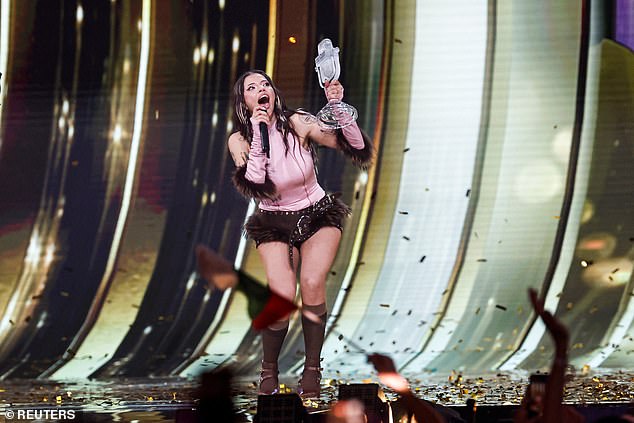
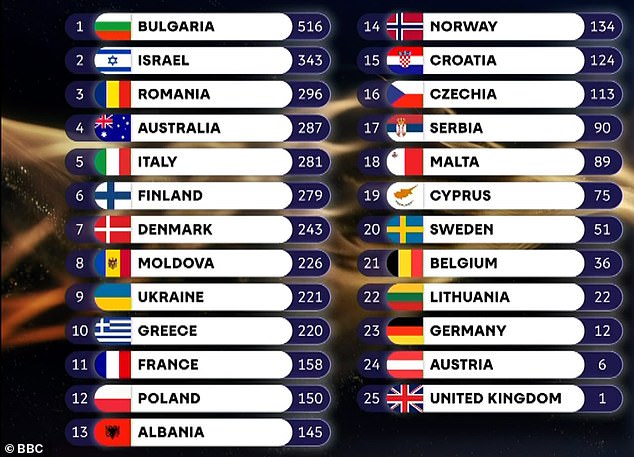
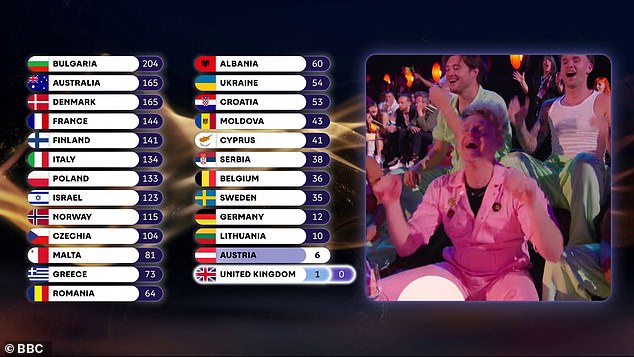
Bulgaria has made history by winning the 70th edition of the Eurovision Song Contest, marking its first-ever victory in the competition. The country’s win came as a surprise to many, especially given the strong performances from other contenders. Bulgaria's entry, "Bangaranga" by Dana, was a catchy pop song that resonated with both the jury and the public, securing a total of 516 points. This victory placed Bulgaria ahead of Israel, which came in second with 343 points, and Romania, which finished third with 296 points.
The competition was filled with unexpected results, as some of the bookmakers' favorites, such as Finland and Greece, did not perform as well as expected. Finland received only 279 points, while Greece managed just 220. These outcomes highlighted the unpredictable nature of the contest, where even the most anticipated entries can fall short.
Meanwhile, the United Kingdom faced another disappointing result, finishing at the bottom of the rankings once again. The UK's entry, "Eins, Zwei, Drei" by Look Mum No Computer, received only one point from the jury vote and zero points from the televote. This marks the third consecutive year that the UK has failed to receive any points from the public vote. Fans took to social media to express their frustration, with many joking about the UK's poor performance and questioning the choice of the artist.
A History of Last-Place Finishes
This is the sixth time that the UK has finished last in the Eurovision Song Contest. Previous last-place finishes include James Newman in 2021, Olly Alexander in 2024, and Remember Monday in 2025. Other notable performers who have finished last include Jemini in 2003, Andy Abraham in 2008, and Josh Dubovie in 2010. Despite these repeated setbacks, the UK continues to send entries that often fail to connect with the audience.
The slogan for this year's contest was "United by Music," but the event was overshadowed by controversy surrounding Israel's participation. Five countries—Spain, Ireland, the Netherlands, Slovenia, and Iceland—chose to boycott the competition in protest of Israel's inclusion. Their decision sparked widespread debate and highlighted the growing tensions between music and politics in the Eurovision arena.
Protests and Controversies
During the first semi-final, Israeli performer Noam Bettan faced boos and jeers from the audience, with some spectators chanting "Free Palestine" and "Stop the Genocide." Security personnel had to intervene, removing several audience members from the venue. However, during the final, the reception was more positive, with host Graham Norton noting that the response to Israel was largely favorable.
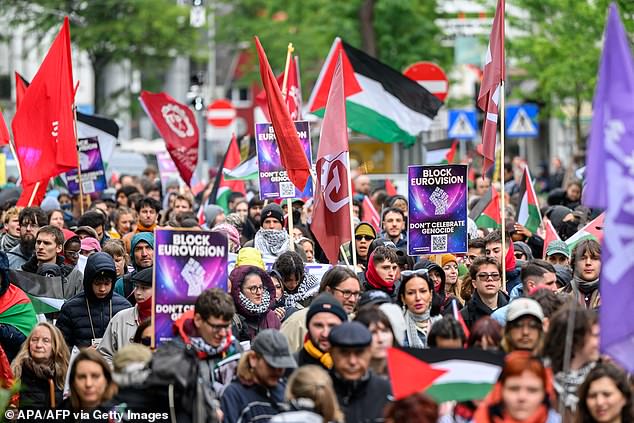
Despite the warm welcome, the controversy surrounding Israel's participation continued to affect the event. Outside the Wiener Stadthalle, pro-Palestine protesters gathered, waving Palestinian flags and holding signs that criticized the Eurovision Song Contest. One protester, Viktoria Eibensteiner, stated that it was important to show Austria's stance against war crimes and to oppose the normalization of violence.
Political Tensions and Financial Impacts
The boycotts have had a significant financial impact on Eurovision, which relies heavily on funding from participating broadcasters. With several countries withdrawing, the event faces challenges in maintaining its usual level of support and enthusiasm. Spain's broadcaster, RTVE, aired a tribute to its musical history, featuring a performance by musicians who would have represented Spain at Eurovision. Ireland's national broadcaster will air a special episode of the sitcom Father Ted, while Slovenia will show an episode of a program about Palestinians.
The political tensions surrounding the contest have also raised questions about the role of music in international events. While Eurovision has long been a platform for friendly competition, recent years have seen increased calls for Israel to be excluded over its actions in Gaza and the West Bank. The European Broadcasting Union has taken steps to address concerns about vote-rigging, including reducing the number of votes per person and tightening safeguards against suspicious voting activity.
A New Era for Eurovision
As the dust settles on this year's contest, the focus remains on the future of Eurovision and how it navigates the complex relationship between music, politics, and global events. The competition has always been a celebration of diversity and creativity, but the ongoing controversies highlight the challenges of maintaining neutrality in an increasingly polarized world.






Post a Comment for "UK Slumps to Last at Eurovision as Bulgaria Edges Out Israel for Victory"
Post a Comment