
UCLA's online textbook amplifies AAPI history and culture
Addressing Historical Narratives and Educating the Next Generation
The long-standing stereotypes of Asian Americans and Pacific Islanders (AAPI) as passive bystanders in American culture and politics continue to persist, despite a rich and complex history that contradicts these narratives. Scholars argue that the key to changing this perception lies in education—specifically, teaching younger generations about AAPI experiences and contributions.
A groundbreaking digital textbook, "Foundations and Futures: Asian American and Pacific Islander Multimedia Textbook," is being developed by the UCLA Asian American Studies Center. This free resource aims to provide high school and college educators with an effective tool to teach about AAPI communities. The project, which took years of work by 100 contributors—including curriculum developers and illustrators—represents a significant step toward inclusion and representation.
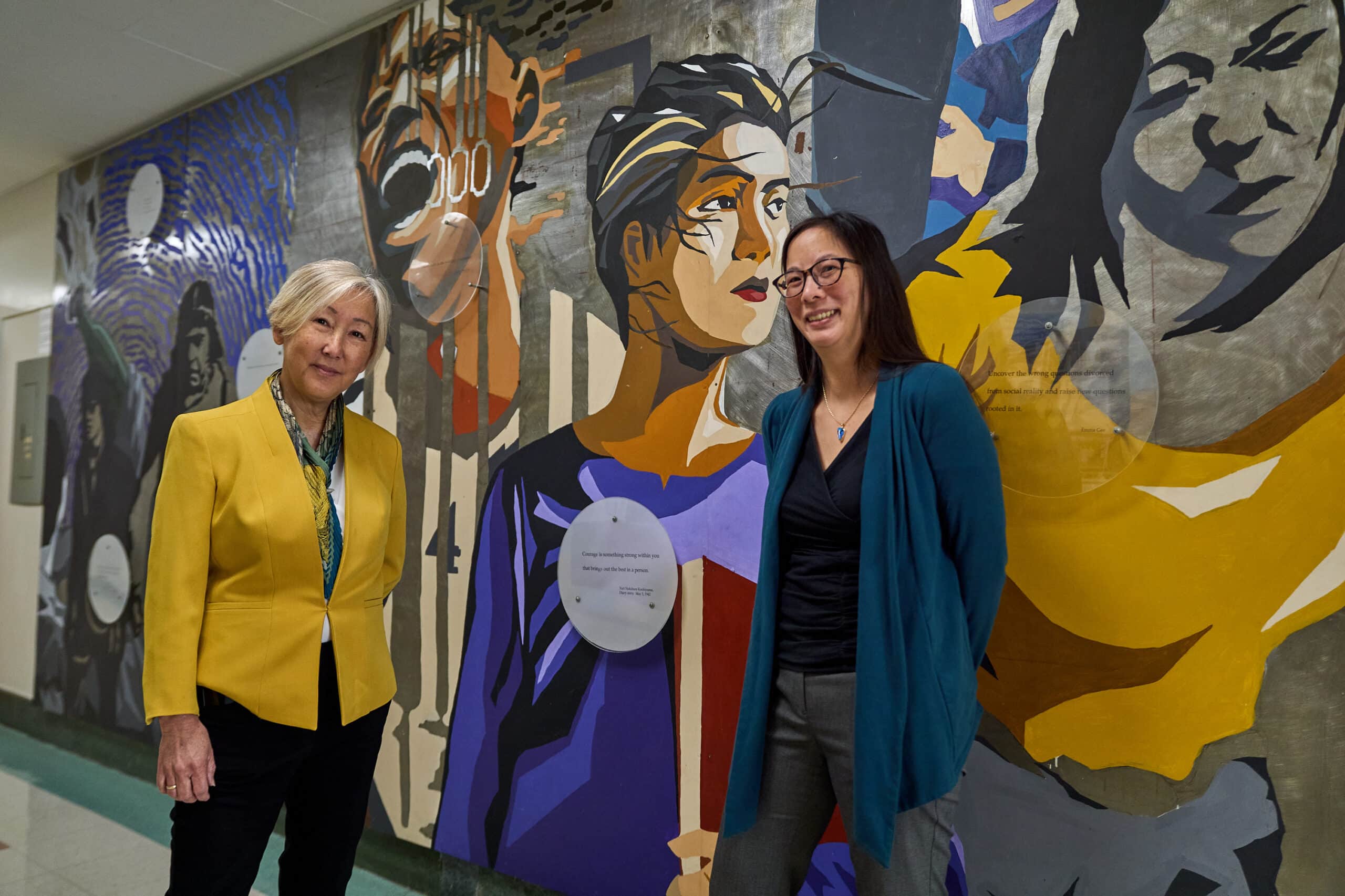
Karen Umemoto, a co-editor and director of the center, emphasized the importance of the textbook as a platform for AAPI voices. “Our presence, our practices, our cultural rituals and things like that are not deemed as 'American,'” she said. “The actual putting together of this textbook also became our fight for inclusion and represents our right to be seen, our right to speak.”
Expanding the Scope of AAPI History
The textbook covers a wide range of AAPI communities and their struggles, with new chapters added on a rolling basis. While May is designated as AAPI Heritage Month, the platform is designed to keep the conversation going throughout the year. Kelly Fong, another co-editor, expressed excitement about the potential impact on students. “Young people are going to have so many different opportunities to see themselves and their communities represented in this core text. Now I can’t wait,” she said.
Despite the challenges posed by political shifts, such as efforts by some states to dismantle diversity, equity, and inclusion (DEI) initiatives in education, the team remains committed. They recognize the difficulty in persuading certain states and teachers to adopt the textbook, but they remain optimistic.
Navigating Anti-Asian Sentiment and Racial Reckoning
The development of the textbook coincided with a rise in anti-Asian hate crimes during the pandemic, which brought national attention to racial issues. Academic freedom and editorial independence were guiding principles from the start. As the project evolved, it became a bridge between historical understanding and contemporary social justice movements.
A 2021 California law requiring ethnic studies as a high school graduation requirement further highlighted the need for comprehensive resources. By 2022, the Asian American Studies Center received federal and state funding for the textbook.
Karen Umemoto hopes that learning about the challenges and achievements of individual immigrants will foster “historical empathy.” This approach is especially important given that many AAPI adults still face concerns about racial discrimination and anti-immigrant rhetoric.
Highlighting Underrepresented Voices
The textbook goes beyond the well-known stories of Japanese internment camps and Chinese laborers to include underrepresented voices. The editorial team narrowed down 150 ideas for chapter topics to 50, covering diverse subjects such as the formation of the New York Taxi Workers Alliance, Asian Americans in the South, and chapters on Vietnamese, Hmong, and Indigenous Hawaiian communities.
Archival photos and embedded videos add depth to the content, including a segment on Filipino farmworkers narrated by rapper Ruby Ibarra. Melany De La Cruz-Viesca, deputy director of the center, noted the effort to be as inclusive as possible.
The textbook also features stories of women who made significant contributions. For example, Cornelia Delute, a Filipina supporter of the United Farm Workers, and Mamie Tape, an 8-year-old Chinese American girl whose case led to her attending public school, are highlighted. Patsy Takemoto Mink, the first woman of color and Asian American woman elected to Congress, is also featured, with her daughter contributing insights into her life and legacy.
Challenges in a Changing Political Landscape
Since the textbook was first proposed, the political landscape has shifted significantly. Republicans now argue that DEI initiatives discriminate against white and Asian students, a view shared by some Asian American advocates. The Trump administration attempted to withhold funding from schools, including UCLA, for considering race in admissions and supporting identity-based programs.
Some states have established hotlines or websites to report DEI practices at publicly-funded schools. Critics often equate ethnic studies with indoctrination, making some schools hesitant to incorporate AAPI history into K-12 classrooms. Teachers, according to Fong, are increasingly on the front lines of this cultural debate.
“It’s changed for the teachers who we were hoping would use the textbook. We have tried to figure out how to respond to best support them,” Fong said. “We don’t necessarily have an answer to that yet.”
Looking Ahead
While some states are focusing less on incorporating AAPI history, progress continues in others, often driven by lobbying from large AAPI populations. Tina Ellsworth, president of the National Council for the Social Studies, noted that textbooks have improved in terms of cultural relevancy and sensitivity. She believes this multimedia textbook will be particularly useful for teachers seeking additional materials on marginalized histories.
The authors are seeking another $5 million through private donations to expand the textbook, market it, and cover cloud storage costs. Future sections could include topics related to Tongan Americans and Taiwanese Americans. “There are so many fascinating stories that have yet to be shared with the world,” Umemoto said.

Post a Comment for "UCLA's online textbook amplifies AAPI history and culture"
Post a Comment