
Trump Claims Xi Supports Opening Strait, No Sign of China's Involvement
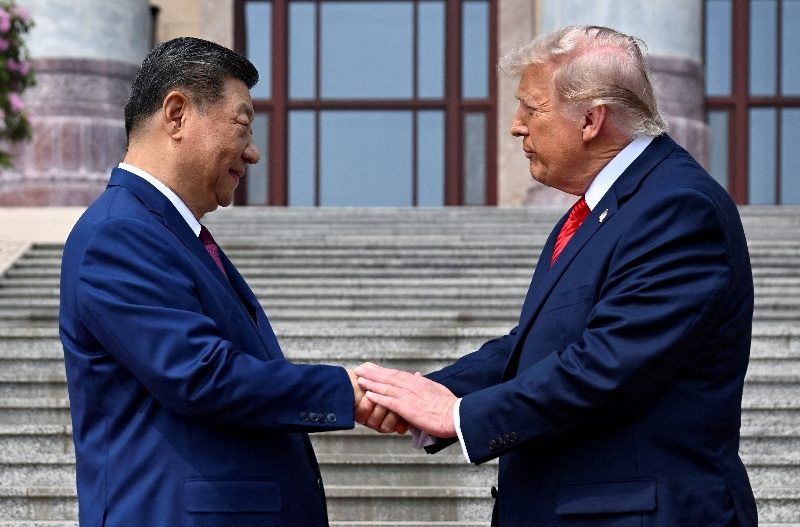
U.S. President Trump and Chinese President Xi Jinping Discuss Strait of Hormuz
U.S. President Donald Trump recently made a statement during a flight aboard Air Force One from Beijing, where he claimed that Chinese President Xi Jinping had agreed that Tehran must reopen the Strait of Hormuz. However, there was no indication from China that it would take any action to influence Iran's decisions.
During his two-day talks with Xi in Beijing, Trump mentioned that he was considering whether to lift U.S. sanctions on Chinese oil companies that purchase Iranian oil. China is the largest buyer of Iranian oil, making this issue significant for both countries.
When asked by a reporter on Air Force One if Xi had made a firm commitment to pressure Iran into reopening the strait, Trump responded, "I'm not asking for any favors because when you ask for favors, you have to do favors in return."
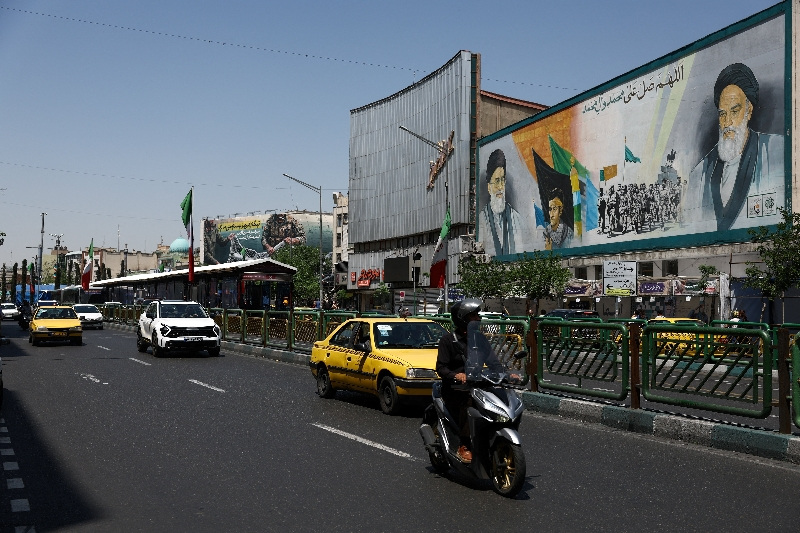
The Strain on the Strait of Hormuz
The Strait of Hormuz, which carries one-fifth of global oil and liquefied natural gas supply, has been effectively shut by Iran. This disruption has led to the biggest oil supply crisis in history, causing oil prices to rise significantly.
Ebrahim Azizi, who leads the Iranian parliament's national security committee, stated that Tehran has prepared a mechanism to manage traffic through the strait along a designated route that will be unveiled soon. According to Azizi, only commercial vessels and parties cooperating with Iran will benefit, and fees will be collected for specialized services provided under this mechanism.
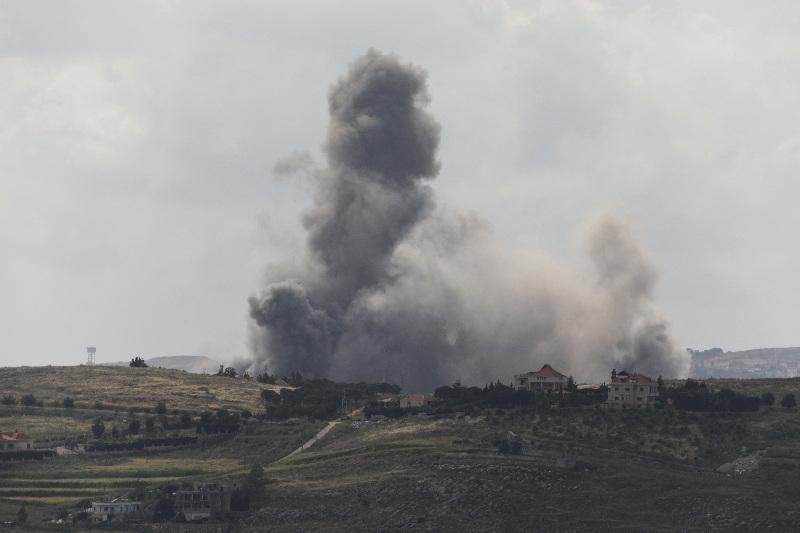
Thousands of Iranians were killed in U.S. and Israeli airstrikes, while thousands more have been killed in Lebanon due to fighting between Israel and the Iran-backed group Hezbollah. Despite this, Israel and Lebanon agreed on a 45-day extension of a ceasefire that has helped reduce the conflict in the region.
U.S. Blockade and Iranian Response
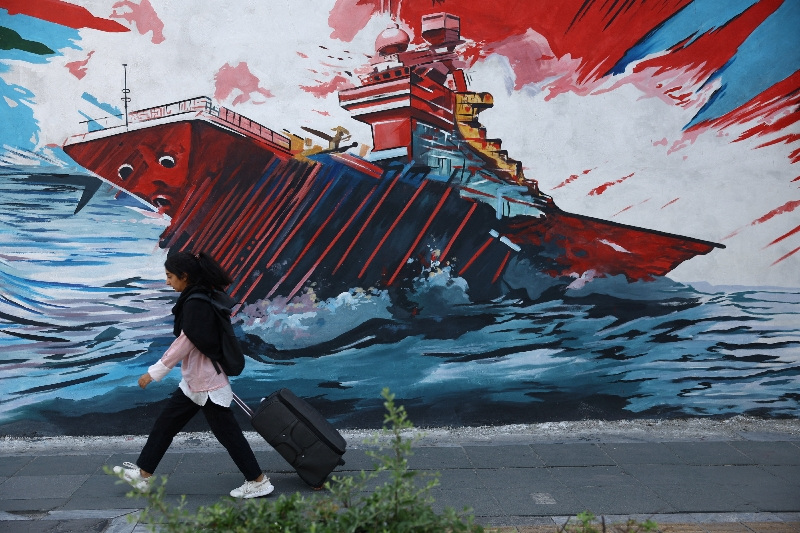
The U.S. paused its attacks last month but initiated a port blockade. As of Saturday, 78 commercial ships had been redirected, and four disabled to ensure compliance with the blockade, according to the U.S. military.
Tehran, which carried out strikes against Israel, U.S. bases, and Gulf states after the war began, has stated it will not unblock the strait until the U.S. ends its blockade. Trump has threatened to resume attacks if Iran does not agree to a deal.
"We don't want them to have a nuclear weapon, we want the straits open," Trump said in Beijing, alongside Xi.
Iran, which has long denied intentions to build a nuclear weapon, has refused to end nuclear research or relinquish its hidden stockpile of enriched uranium.
Diplomatic Efforts and Regional Tensions
Iranian Foreign Minister Abbas Araqchi mentioned that Tehran had received messages from the U.S. indicating Washington was willing to continue talks. Pakistan has been mediating between Washington and Tehran. Iranian news agency Nournews reported that Interior Minister Eskandar Momeni had held "detailed" discussions with his visiting Pakistani counterpart on Iran-Pakistan relations and the prospects for resuming peace talks, although no details were provided.
Trump's Growing Frustration
Trump, who told Fox News' "Hannity" program in an interview aired on Thursday that he was losing patience with Iran, said Tehran "should make a deal." Oil prices rose around 3% to around $109 a barrel on Friday due to concerns about a lack of progress in resolving the conflict.
Talks on ending the war, which has become a liability for Trump ahead of U.S. congressional elections in November, have been on hold since last week when Iran and the U.S. each rejected the other's most recent proposals.
Araqchi said on Friday that Iran would welcome Chinese input, adding that Tehran was trying to give diplomacy a chance but did not trust the U.S., which has curtailed previous rounds of talks by launching air strikes.
When the U.S. and Israel launched their attacks on Iran at the end of February, they said one of their aims was to weaken the authorities so Iranians could topple the government. There has been little sign of organized dissent in Iran during the war, and rights groups say the government has cracked down heavily on its opponents.
Iran's judiciary said on Saturday that 39 people had been executed for collaborating with Israeli or U.S. spy agencies, or taking part in "terror" or armed unrest, since the war started, according to the judiciary's news agency Mizan. It said 36 "medium-level" dissidents had received long prison sentences.

Post a Comment for "Trump Claims Xi Supports Opening Strait, No Sign of China's Involvement"
Post a Comment