
Tom Steyer's Campaign Pays TikTokers to Like Him – That's Creepy | Opinion
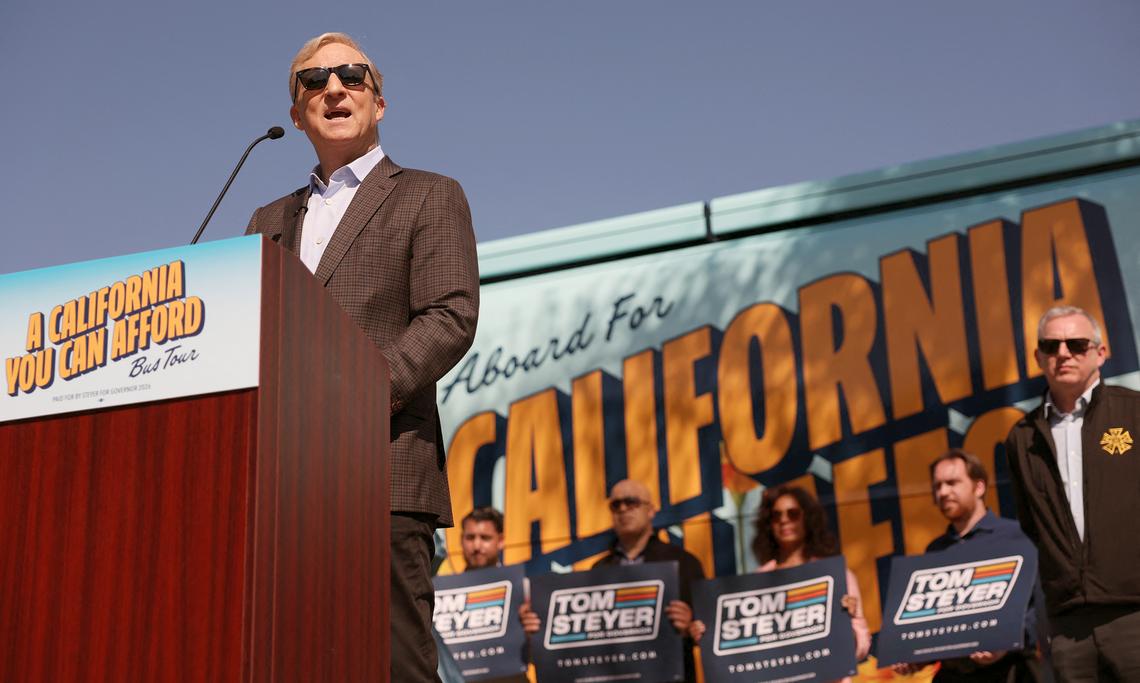
The Tom Steyer Campaign and the Controversy Over Paid Influencers
The Tom Steyer gubernatorial campaign has found itself in a new controversy involving its use of paid influencers. Some content creators hired by the campaign failed to disclose that they were compensated for their work, which is required under California’s Fair Political Practices Commission (FPPC) regulations. This has raised concerns about whether these influencers are genuinely aligned with Steyer’s platform or if they are simply being paid to promote him.
Sacramento Bee journalist Lia Russell was the first to report on this issue, highlighting the potential implications of such undisclosed payments. According to the campaign, however, there is no violation of any rules. A spokesperson for the campaign, Kevin Liao, stated that “payments for creator content are disclosed in campaign finance reports, and we notify creators we directly work with of their disclosure requirements.”
The FPPC has confirmed that it is investigating a complaint regarding Isaiah “Zay Dante” Washington, who posted an interview with Steyer on TikTok and other social media platforms. Washington reportedly received $10,000 for his content but did not disclose the payment. The video in question has since been deleted, but the incident has sparked further scrutiny of the campaign’s practices.
The Cost of Influence: From Burrito Bowls to Big Bucks
One of the most surprising aspects of the campaign's strategy is the low pay offered to some influencers. According to Russell, some creators were initially offered as little as $10 per video, which many have criticized as a clear example of penny-pinching by a billionaire candidate. While the offer has since been increased to $1,000 per month, the initial amount has drawn significant backlash from social media users.
This situation has led to accusations that Steyer is out of touch with working-class voters, especially given his public efforts to position himself as someone who supports their interests. On social media, users have taken to mocking the low pay, with one TikToker, Caffeinatedtejal, commenting, “Are you all really shilling for a video for the price of burrito bowl, because we need to talk about the math here.”
Strategic Missteps and Credibility Concerns
While reaching out to younger voters through social media platforms is a smart move, the way Steyer is engaging with influencers has raised questions about his credibility. Many of these influencers typically focus on topics like fashion, entertainment, and fitness, making their endorsement of a political candidate seem less authentic.
Moreover, the campaign’s approach to guiding influencers on what to say has also come under fire. A memo from the campaign outlines specific policy topics that creators should focus on, such as abolishing ICE, taxing the rich, AI regulation, climate change, free universal education, and ending corporate influence in politics. The goal, according to the memo, is to help influencers build audience trust while promoting Steyer’s agenda.
However, this level of control over content can be seen as manipulative, potentially undermining the very trust the campaign is trying to build.
A Tight Race and New Challenges
Steyer’s campaign is currently in third place, closely trailing Republican Steve Hilton, with Xavier Becerra leading in a recent Emerson College poll. This tight race adds pressure on Steyer to maintain momentum, especially after facing criticism for his approach to influencer marketing.
Becerra, meanwhile, has faced his own challenges. A top former aide, Dana Williamson, recently pleaded guilty to helping steal funds from a dormant campaign account belonging to Becerra. While Becerra has been identified as the victim in the case, questions remain about what he knew or should have known.
Becerra also faced a tense exchange with a KTLA news reporter during an interview. He attempted to steer the conversation, asking, “So long it’s about the profile,” in an effort to control the narrative. Unlike Katie Porter, whose similar encounter with a CBS reporter remains a topic of discussion, Becerra seems to have moved past the incident relatively quickly.
What Lies Ahead for Steyer?
As the race continues to develop, the question remains whether Steyer can maintain his position without losing momentum. His campaign has already had to address concerns that he is just another billionaire trying to buy a governorship. Now, the controversy over paid influencers adds another layer of complexity to his campaign.
Some suggest that pulling back on the influencer strategy and focusing on more traditional outreach methods might be a better approach. However, in this unpredictable race, anything is still possible.

Post a Comment for "Tom Steyer's Campaign Pays TikTokers to Like Him – That's Creepy | Opinion"
Post a Comment