
The Stig's Unfiltered Take on EVs and Hybrids
The Evolution of The Stig and Ben Collins' Perspective on Performance Cars
Ben Collins, once known as The Stig on the popular television show Top Gear, has carved out a new career path after leaving the role. While he was initially hidden behind a white suit and helmet, Collins now has the freedom to express his opinions without editorial constraints. This change has allowed him to share his thoughts on various aspects of the automotive world, particularly electric vehicles (EVs) and hybrids.
The History of The Stig on Top Gear
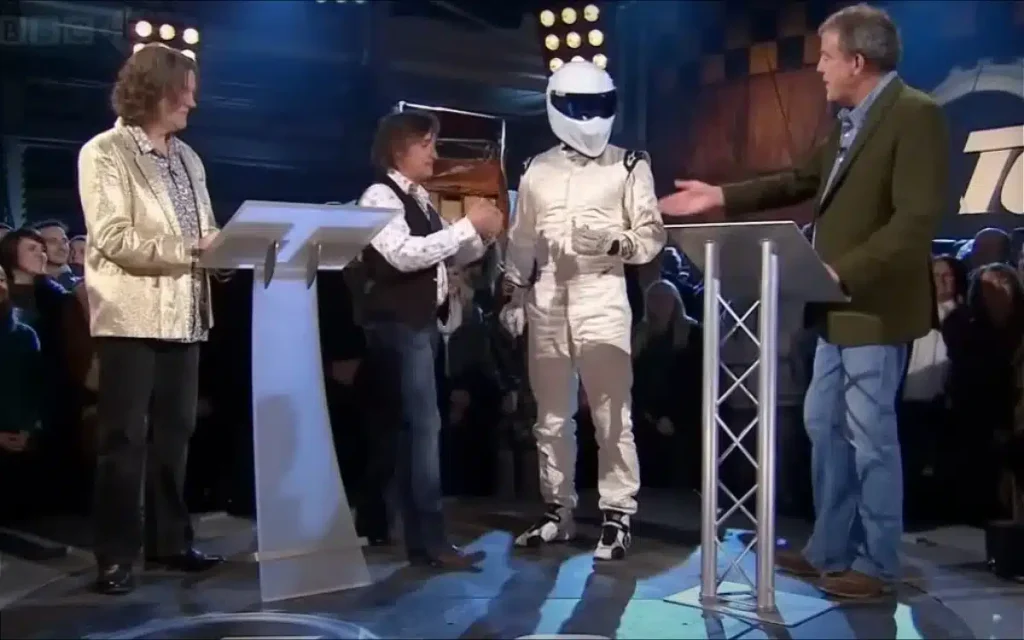
The Stig, a mysterious racing driver featured on Top Gear, was created by Jeremy Clarkson. Known for never speaking and always wearing a helmet, The Stig became one of the show's most iconic segments. Each episode introduced The Stig with variations of the quote: “Some say that he is… all we know is, he’s called The Stig.” There are now entire websites dedicated to these introductions.
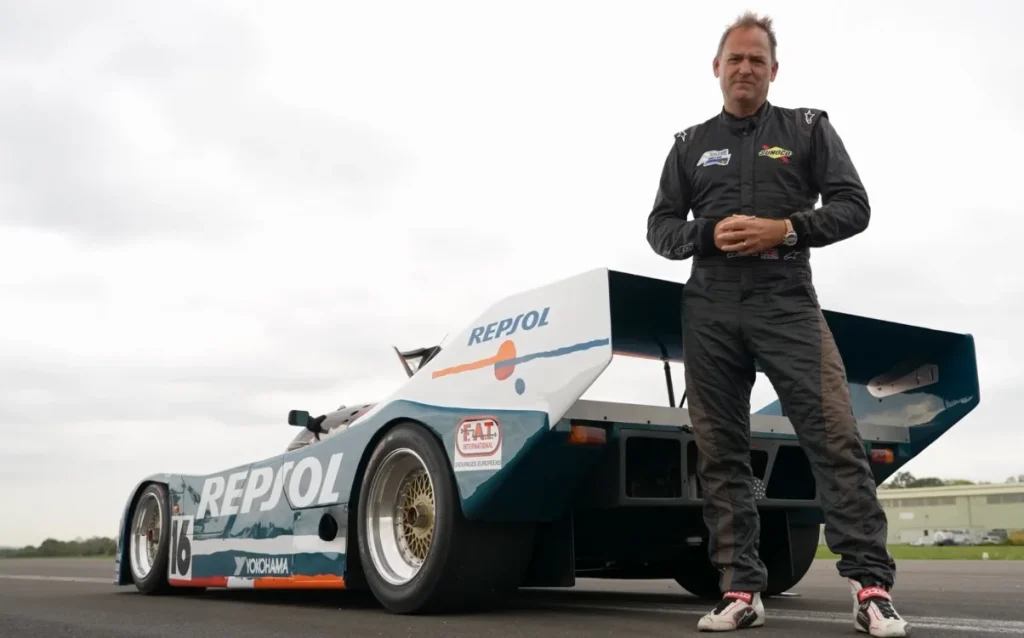
The first Stig was portrayed by Perry McCarthy, who was sometimes referred to as 'Black Stig' due to his all-black overalls and gear. McCarthy eventually left the role, which led to the BBC rebranding The Stig with new overalls and a more significant role on the show. The new Stig was played by Ben Collins, who became the most recognizable version of the character. Collins left the show in 2010 after revealing his identity in an autobiographical book. He was later replaced by Phil Keen, who continued working on Top Gear until the show was canceled.
Ben Collins’ Views on Electric Vehicles and Hybrids
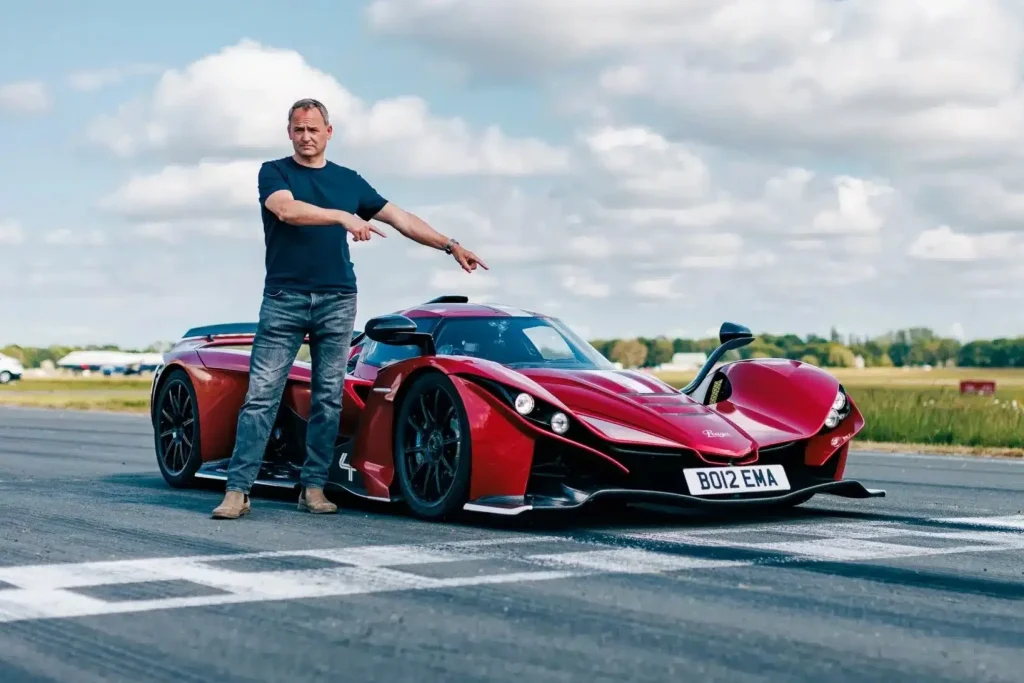
In a recent conversation, Ben Collins shared his perspective on why electric cars and hybrids may not be the best options for performance-oriented drivers. Collins recently set a lap record around Dunsfold Park, the former Top Gear track, driving a Praga Bohema. When discussing this record, he mentioned that with some modifications, this car could potentially outperform the Valkyrie, a hybrid vehicle.
Collins explained that electric cars are generally too heavy, and even hybrids suffer from similar weight issues. Although EVs and hybrids can deliver impressive power, the addition of an electric motor affects weight distribution and braking. He noted that the brakes play a crucial role in achieving such records, providing a granular feeling when braking. However, this is often a challenge for EVs due to their increased weight, which alters the way drivers need to brake.
“This also affects weight distribution,” Collins said. “Without getting too technical, think of a moving car around the track as a collection of weights that swing from one side to the other as you drive into a corner.”
The Impact of Weight on Performance
Collins emphasized that weight must be balanced, and the extra weight from electric motors creates a pendulum swing effect. This effect influences various aspects of driving, including braking, handling, fuel consumption, and brake wear. Despite these challenges, Collins believes that the shift towards electric vehicles isn’t happening as rapidly or drastically as some feared.
Several automakers, such as Praga and Nilu27, continue to focus on pure combustion engines, catering to enthusiasts who prefer traditional performance vehicles. For Collins and many car fans, the future of high-performance cars still looks promising, even as the industry evolves.


Post a Comment for "The Stig's Unfiltered Take on EVs and Hybrids"
Post a Comment