
The Evil Eye: Meaning, History, and Protection Tips
What Is the Evil Eye?
The evil eye is a concept that has been part of human culture for centuries. It refers to a curse that someone can put upon another by looking at them with envy. This belief is rooted in the idea that negative emotions, particularly envy, can be transferred through the eyes and cause harm to the person being observed.
In many cultures, the evil eye is associated with bad luck, illness, or misfortune. Symptoms attributed to the evil eye include emotional pain, insomnia, fever, headaches, lethargy, and nausea. The belief extends beyond just people; it was thought that even crops, animals, and machines could be affected by the evil eye.
Certain groups were believed to be more susceptible to the evil eye. Pregnant women, young children, and individuals who had recently gained significant wealth were often considered vulnerable. In some stories, the evil eye could be accidentally inflicted, even by someone who did not intend to cause harm.
The History of the Evil Eye
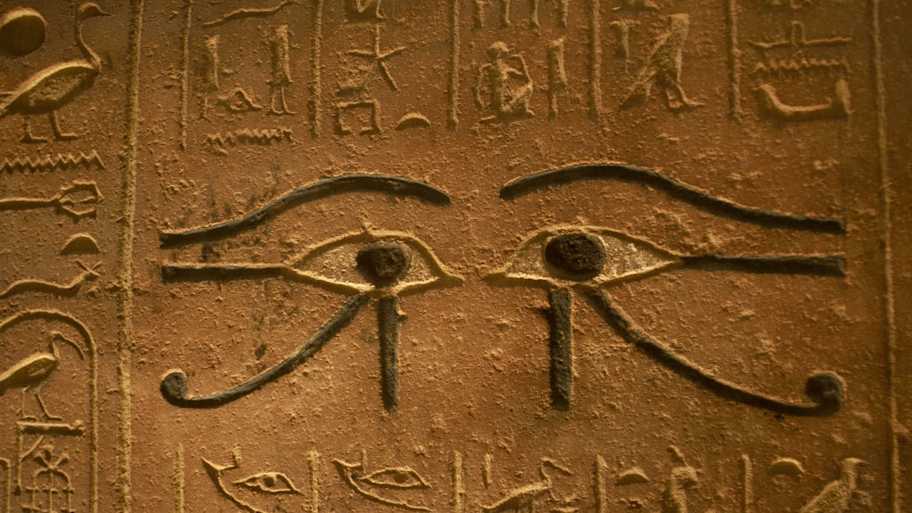
The concept of the evil eye is found in many ancient cultures around the world. In Mesopotamia, there are references to chants meant to protect against evil looks, and artifacts known as "Eye Idols" have been discovered in modern-day Syria, dating back to 3,300 BC. Similarly, ancient Egyptians had the Eye of Horus, a symbol believed to offer protection and healing.
Greek philosophers like Plutarch wrote about the evil eye in their works. In Quaestiones Convivales, he described how negative emotions could manifest as harmful rays from the eyes. Other Greek thinkers, such as Plato and Aeschylus, also mentioned the dangers of being the object of someone's envy.
The belief in the evil eye is also present in religious texts. For example, the Bible includes a verse in Proverbs 23:6 that warns against eating the bread of someone with an evil eye. Similarly, the Quran contains references to the concept, showing its widespread influence across different regions and time periods.
Today, the belief in the evil eye persists in many parts of the world, including Ghana, Pakistan, Mexico, Greece, and Turkey.
How to Protect Yourself From the Evil Eye
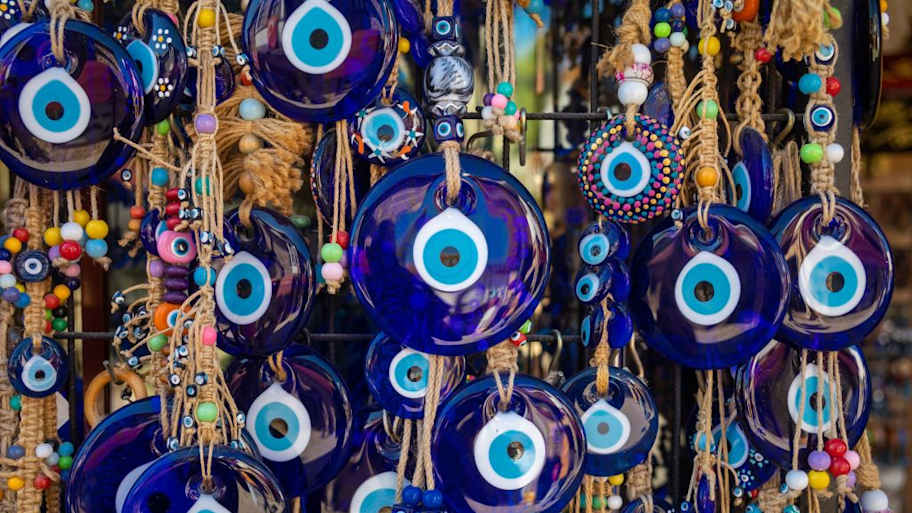
Many cultures have developed ways to protect themselves from the evil eye. One of the most well-known methods is the use of eye-shaped amulets, which are designed to deflect negative energy. These talismans have been used for thousands of years, with evidence of similar objects found in Sumer, Babylonia, and the Mediterranean region dating back to 3000 B.C.
Some historians believe these early amulets may be connected to the Eye of Horus, though there is little clear evidence to support this link. The dark blue glass commonly associated with evil eye amulets today may have been popularized by the Phoenicians, who lived in the Eastern Mediterranean between 1500 and 300 B.C.
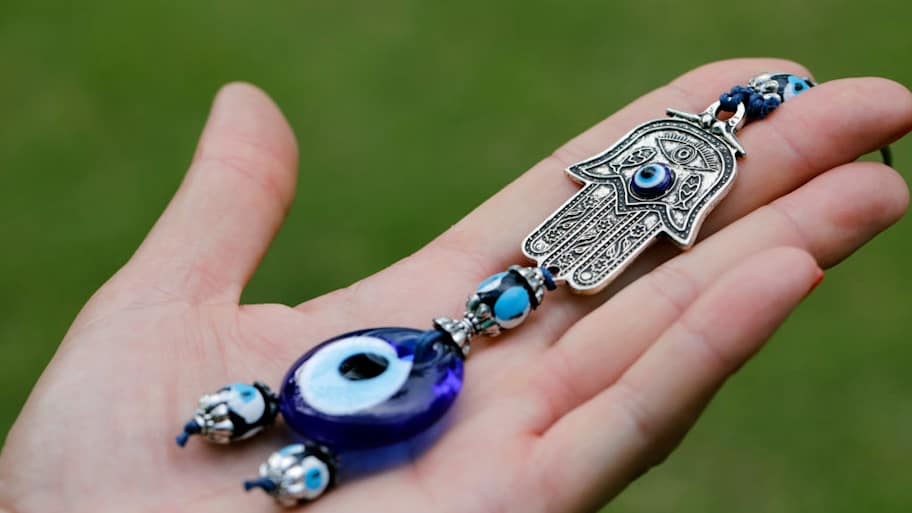
These amulets are typically believed to absorb or redirect negative intentions. In addition to amulets, other protective symbols include the hamsa hand, which is used in North Africa, the Middle East, and Jewish and Islamic cultures. Often called the "Hand of Fatima," the hamsa is said to repel malevolent energy, much like a magnet repels opposing poles.
Each culture has its own unique practices for warding off the evil eye. In Spain, burning certain herbs was a common method for protecting against bad energy. In India, amulets made from lemons and chilis were believed to offer protection. On the island of Cyprus, camel drivers would dress their animals in harnesses covered in half-moon designs to ward off ill will.
During the Middle Ages, excessive praise for children was thought to invite the evil eye, so parents often prayed for their children rather than praising them directly. In Turkey and other Mediterranean cultures, it has long been customary to give evil eye amulets to newborn babies.
Additional Protective Practices
Beyond amulets and symbols, there are various other methods for protecting oneself from the evil eye. These include prayer, cleansing rituals, and the use of protective herbs or incense. Many people believe that maintaining humility and avoiding excessive displays of success can also help prevent the evil eye.
While the origins of the evil eye are rooted in ancient beliefs, its influence continues to shape cultural practices today. Whether through amulets, symbols, or rituals, the fear of the evil eye remains a powerful force in many societies.
Conclusion
The evil eye is more than just a superstition—it is a reflection of deep-seated fears and cultural traditions. Its history spans continents and centuries, and its presence can still be seen in modern practices. Whether through the use of amulets, prayers, or simple acts of humility, people continue to seek ways to protect themselves from the perceived power of the evil eye.

Post a Comment for "The Evil Eye: Meaning, History, and Protection Tips"
Post a Comment