
Tech Bros Finally Face the Consequences of Their Actions
California’s Tech Oligarchs: A Tale of Contradictions
California has long been a hub for innovation and technological advancement. However, the state's tech oligarchs are now facing a growing backlash as their influence and wealth come under scrutiny. Once celebrated as disrupters who transformed industries, these billionaires have become emblematic of the establishment they once challenged. With more billionaires than any other state in the U.S., California is also grappling with some of the nation's most pressing issues, including poverty, housing affordability, and job creation.

The state's economic landscape has shifted dramatically over the years. While tech companies like Meta and Google were once responsible for creating hundreds of thousands of jobs, recent trends show a different picture. As these companies pivot towards AI and other emerging technologies, they have significantly cut payrolls while reporting record profits. According to economist Gad Levanon, the state's tech workforce is shrinking at a faster rate than anywhere else in the country. Since 2022, California's share of high-tech jobs has dropped from 19% to 16%, highlighting a troubling trend.

Despite their growing wealth, the average Californian is not reaping the benefits. Governor Gavin Newsom often touts California as an economic powerhouse, but residents face the highest cost-of-living adjusted poverty rate in the country. The state also ranks poorly in terms of functional illiteracy and housing unaffordability. These challenges are compounded by the fact that California, despite its wealth, is the worst state in terms of creating jobs that pay above average.

The contrast between the lavish lifestyles of the tech elite and the struggles of everyday residents has not gone unnoticed. From huge yachts to private jets, the opulence of these billionaires stands in stark contrast to the realities faced by many Californians. This disparity is further exacerbated by the progressive values that these individuals espouse, which often clash with their actions.
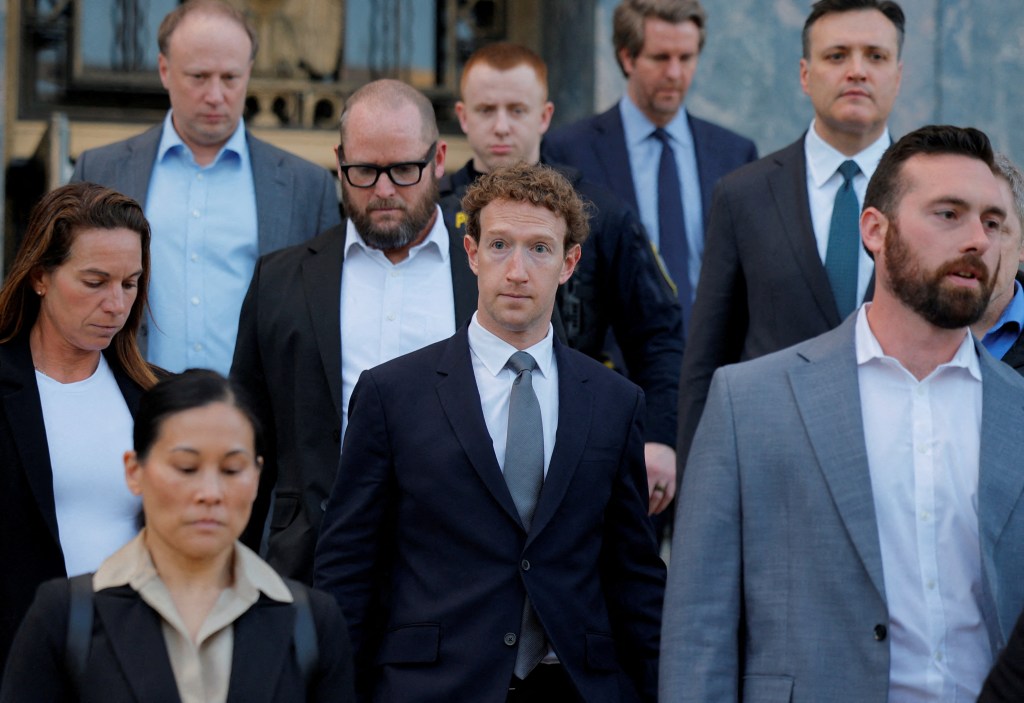
One of the most ironic aspects of this situation is that the tech oligarchs have funded the very groups and politicians that now seek to regulate or tax them. While the media often highlights the Trumpian ties of figures like Larry Ellison and Elon Musk, the majority of tech leaders have consistently supported progressive Democrats. Major tech companies such as Apple, Amazon, Google, Microsoft, and Meta have donated significantly to progressive causes and candidates.

This pattern of support is evident in the 2024 election cycle, where two out of five of Kamala Harris' top corporate contributors included Alphabet (Google) and Apple. Some of these contributions have even gone to the very individuals now advocating for higher taxes on the tech elite. For example, Silicon Valley Congressman Ro Khanna, a strong proponent of a 5% wealth tax, has received funding from Google, whose co-founder Sergei Brin has become a vocal opponent of the tax.
Beyond campaign contributions, tech oligarchs have also supported left-wing nonprofits and organizations. The Tides Foundation, a major backer of leftist causes, has received significant funding from tech companies. Similarly, the Silicon Valley Community Fund has contributed substantial amounts to groups like Black Lives Matter, which has a well-documented Marxist orientation.
The influence of tech oligarchs extends to the media as well. Jeff Bezos’ Washington Post has been criticized for its left-leaning stance, making the New York Times seem moderate by comparison. Google's support for progressive initiatives and Amazon's efforts to restrict contributions to conservative groups further illustrate this trend.
In addition to their political and media influence, tech oligarchs have also invested heavily in green non-profits. Analyst Robert Bryce has referred to this as "the anti-industry industry." While these companies have historically overlooked the high energy prices associated with green energy, they now require cheap and reliable electricity to power AI. However, California progressives and their counterparts elsewhere increasingly oppose energy-intensive data centers and seek to regulate AI, creating a conflict of interests.
Recent attacks on Sam Altman’s San Francisco home reveal a broader anti-corporate bias that has become deeply embedded in the state's political culture. Despite this, many tech oligarchs continue to support the very forces that threaten their interests.
Some of this behavior can be attributed to the one-party nature of California, where aligning with the left is often necessary. However, it also stems from a naivete and a love of virtue-signaling that characterizes the tech elite. While they may excel in technology, they often lack the political acumen required to navigate the complexities of governance.
As their past actions catch up with them, the tech oligarchs find themselves in a precarious position. Their wealth and influence, once seen as invincible, are now being scrutinized and challenged. Whether they can adapt to this new reality remains to be seen.

Post a Comment for "Tech Bros Finally Face the Consequences of Their Actions"
Post a Comment