
Steve Cohen Won't Seek Re-election After Tennessee GOP Redraws His District
The Political Landscape and Redistricting Controversies
The recent developments in the political arena have sparked significant discussions, particularly around redistricting efforts that are reshaping electoral maps across the United States. These changes are not only impacting the representation of various communities but also raising questions about fairness and inclusivity in the democratic process.
Rep. Steve Cohen's Decision to Step Down
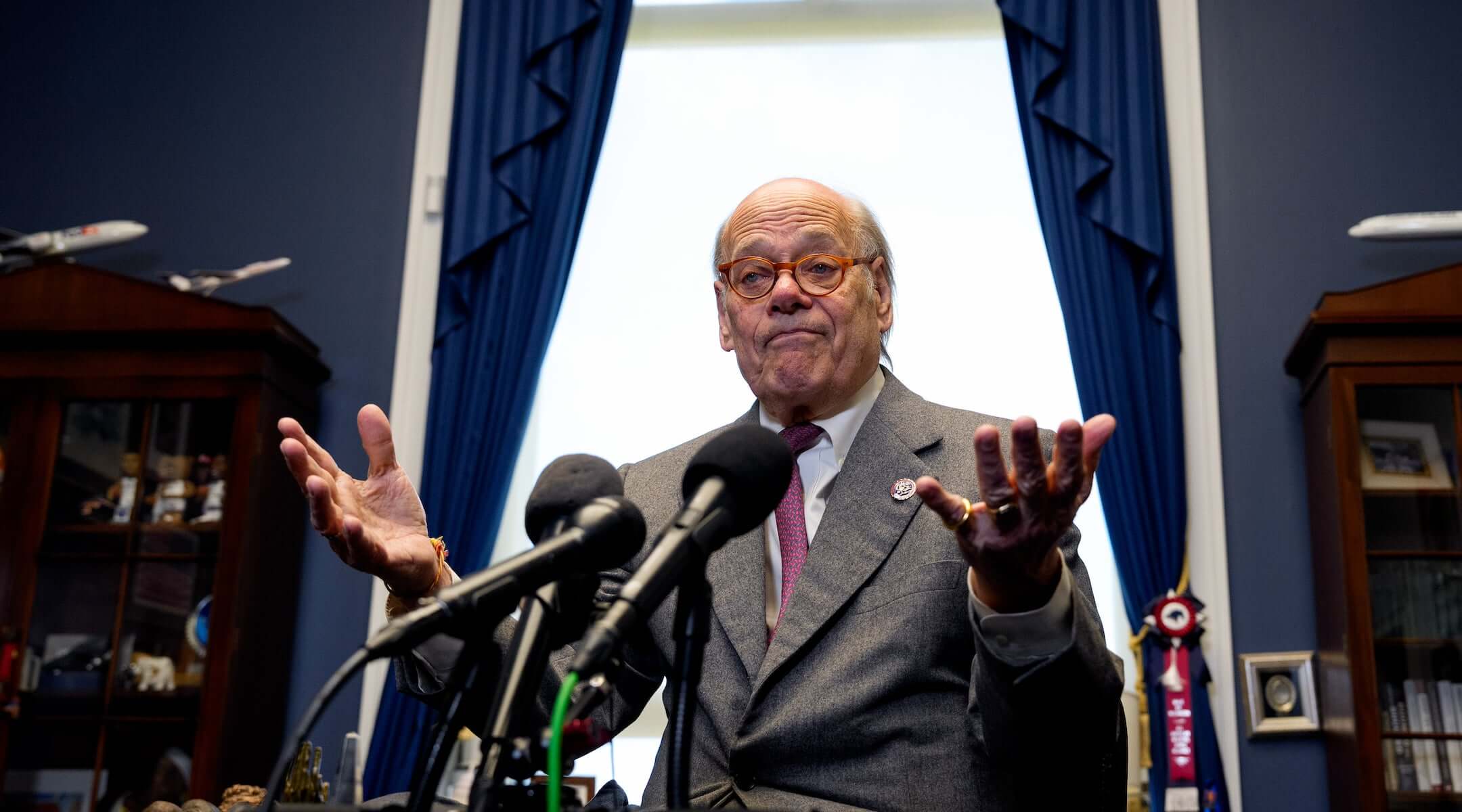
Rep. Steve Cohen, a Jewish Democrat from Tennessee, has made headlines by announcing his decision not to seek re-election. This move comes amid a controversial redistricting push led by Republicans, which aims to bolster their advantage in the House during the upcoming midterm elections. Cohen’s announcement was made during a press conference where he expressed his frustration with the way his district has been redrawn.
Cohen highlighted that the new district boundaries were designed to make it difficult for him to win, stating, “These districts were drawn to beat me.” His Memphis-area district, which is majority African-American, has been split into three different districts, a move that has drawn criticism for its potential impact on Black voters.
Impact on Other Jewish Democratic Representatives
Cohen is not alone in facing challenges due to redistricting. In Florida, three other Jewish Democratic congresspeople—Reps. Debbie Wasserman Schultz, Lois Frankel, and Jared Moskowitz—are also navigating new political landscapes. Their districts have become more favorable to Republican challengers following the state's GOP-led redistricting efforts.
However, the controversy surrounding Cohen's district has been particularly intense. The Tennessee 9th District, known for its high concentration of Black voters, has seen its boundaries altered in a way that many believe undermines the voting power of this community. Cohen has pointed out that the new districts seem to be intentionally dividing the Black voting population, suggesting a possible racist intent behind the redistricting.
Historical Context and Community Support
Cohen has served the district since 2006, and despite initial skepticism about a white candidate representing a majority-Black area, he has managed to gain the support of many Black voters in Memphis. He shared his experience, saying, “They didn’t think a Caucasian could ever win,” but added that the community appreciated his representation.
The congressman has left the door open for a potential run, pending the outcome of a lawsuit filed by the Tennessee Democratic Party and other organizations. However, he also acknowledged the possibility that these legal challenges may not succeed, expressing that this moment is one of the most difficult of his career.
Personal Reflections and Racial Remarks
In addition to his political statements, Cohen took a moment to address a remark made by Tennessee GOP Rep. Andy Ogles, who referred to him as “an old, white Jewish guy.” Cohen questioned the necessity of such a description, noting the existence of Black Jewish individuals like Sammy Davis Jr. He suggested that the term might imply something different about Jewish people and white people, highlighting the need for more thoughtful dialogue.
Interestingly, another Memphis congressman, David Kustoff, is also Jewish. Both Cohen and Kustoff attend the same synagogue, Temple Israel. A previous redistricting effort in 2010 moved most of Memphis’ Jewish community into Kustoff’s district, the 8th Congressional District.
Conclusion
The ongoing redistricting efforts and their implications on representation and community dynamics underscore the complexities of modern politics. As these changes continue to unfold, they prompt important conversations about equity, fairness, and the future of democratic engagement in the United States.

Post a Comment for "Steve Cohen Won't Seek Re-election After Tennessee GOP Redraws His District"
Post a Comment