
Six Dead in California ICE Detention as Trump Deportations Rise
Overview of the Crisis in California Immigration Detention Centers
A recent state report has revealed that six individuals lost their lives in California immigration detention centers over the past year. The findings highlight the severe challenges these facilities face in providing adequate medical care, especially given the overcrowded conditions. The 175-page report offers an in-depth look at the facilities, many of which are located in remote areas of the state, making access difficult for attorneys, families, and advocates.
The report marks the highest death toll recorded since the state began inspecting these centers seven years ago. In 2024, no deaths were reported in California detention centers, according to data from the American Immigration Lawyers Association and the Attorney General’s office. The increase in deaths coincided with the Trump administration's mass deportation campaign, which significantly increased the population in detention centers by over 150%.
Nationally, 18 people have died in immigration detention this year, averaging one death per week. Since the start of the Trump administration, 48 individuals have died in such facilities. A study published in the Journal of the American Medical Association found that the current death rate is nearly seven times higher than fiscal year 2023 levels, at 88.9 per 100,000 people.
Key Findings from the Report
In California, four of the deaths occurred at the Adelanto ICE Processing Center in San Bernardino County, while two others happened at the Imperial Regional Detention Facility near the U.S.-Mexico border in Calexico. Families of the deceased have alleged that the Adelanto facility failed to provide adequate medical care, as noted in the report.
The inspections conducted by the California Department of Justice are mandated under a 2017 law aimed at addressing concerns about conditions in these facilities. Investigators and medical experts conducted two-day site visits at each facility and interviewed 194 individuals from over 120 countries.
Last year, the focus was on lapses in mental health care across the six facilities operating in California during the early months of the second Trump administration. This year, the emphasis shifted to how the surge in detainee populations has strained conditions and access to medical care at all facilities now operating in the state.
Detainees described poor living conditions, including meals consisting only of beans and bread, which caused diarrhea, and extremely cold temperatures that led them to turn their socks into makeshift arm sleeves. At one facility, investigators documented insufficient toilet facilities, with detainees reporting unsanitary bathrooms.
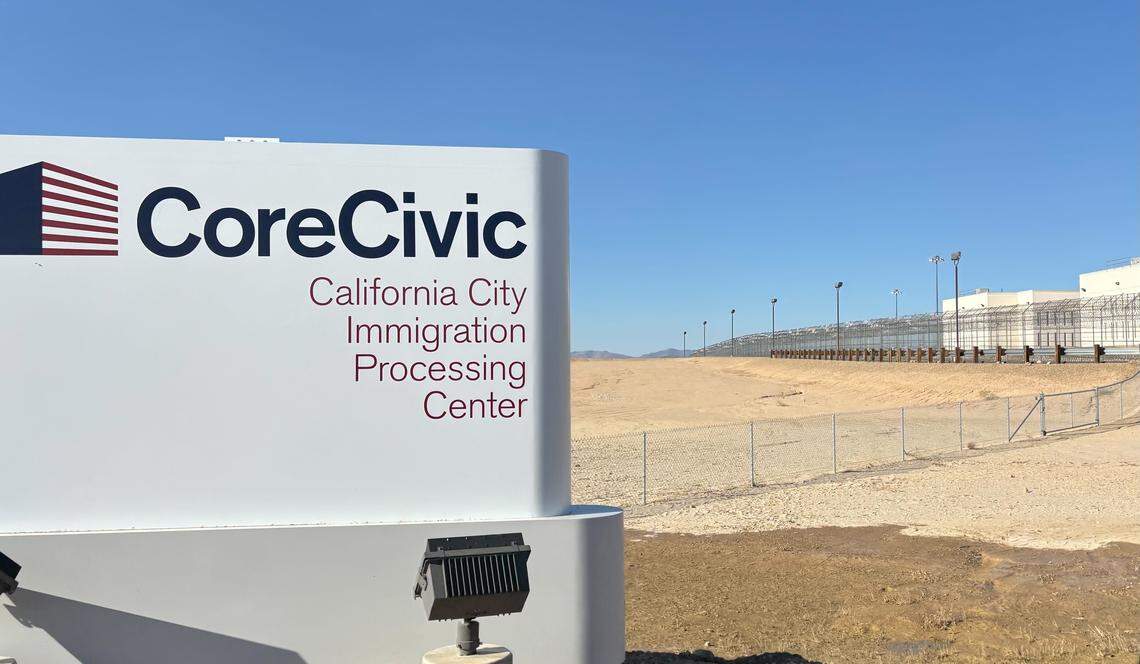
Several detainees expressed distress when describing their confinement in California City to state investigators. Most of those detained have not been convicted of any crime.
Criticisms and Responses

California Attorney General Rob Bonta condemned the conditions, calling them “cruel, inhumane, and unacceptable.” He emphasized that his office has worked tirelessly to expose the issues.
State investigators noted that the detention centers did not increase medical staffing to match the dramatic rise in detainees. At a new detention center that opened in a former state prison in California City last year, investigators described “crisis-level” medical staffing, contributing to delays in care. At the time, the center had only one physician for nearly 1,000 detainees.
All detention centers are managed by private companies under contracts with the federal government. State investigators stated that these companies and the federal agency are failing to meet their own standards of care.
CalMatters reached out to ICE and the three private prison companies operating facilities in California. MTC, which operates the site in Imperial County, said it takes the report seriously and is conducting a review of its findings. GEO Group and CoreCivic also responded, emphasizing their commitment to providing safe and humane care.
Impact of Policy Changes
The report also highlighted how the Trump administration rolled back federal protections for detainees. Since January 2025, the federal government has defunded legal programs to inform people of their rights, shut down Department of Homeland Security civil rights oversight offices, and stopped protections for transgender detainees.
Loba, a transgender woman from El Salvador, shared her experience of traumatic sexual harassment and intimidation while being housed in male dorms. She chose to be identified only by her first name due to fears of retaliation.
The report also addressed other complaints raised by detainees and their families. One incident at Adelanto involved guards deploying pepper spray in a confined room holding about 50 people. At the Otay Mesa Detention Center in San Diego, investigators flagged concerns about strip-searching, which detainees described as humiliating and degrading.
New Facilities and Legislative Efforts
Two new detention centers have opened in California over the past year: one in California City and another in McFarland called Central Valley Annex. These facilities were previously used to hold state prison inmates under contracts with California’s corrections system.
California Democrats are pushing back against the Trump administration’s immigration crackdown with a range of bills. One proposed bill by Assemblymember Matt Haney would tax detention facilities, with funds going towards immigrant rights groups, aiming to make it unprofitable to operate detention centers in the state.

Post a Comment for "Six Dead in California ICE Detention as Trump Deportations Rise"
Post a Comment