
Ships Pay Iran $2M in Yuan to Cross Strait as U.S. Threatens Sanctions
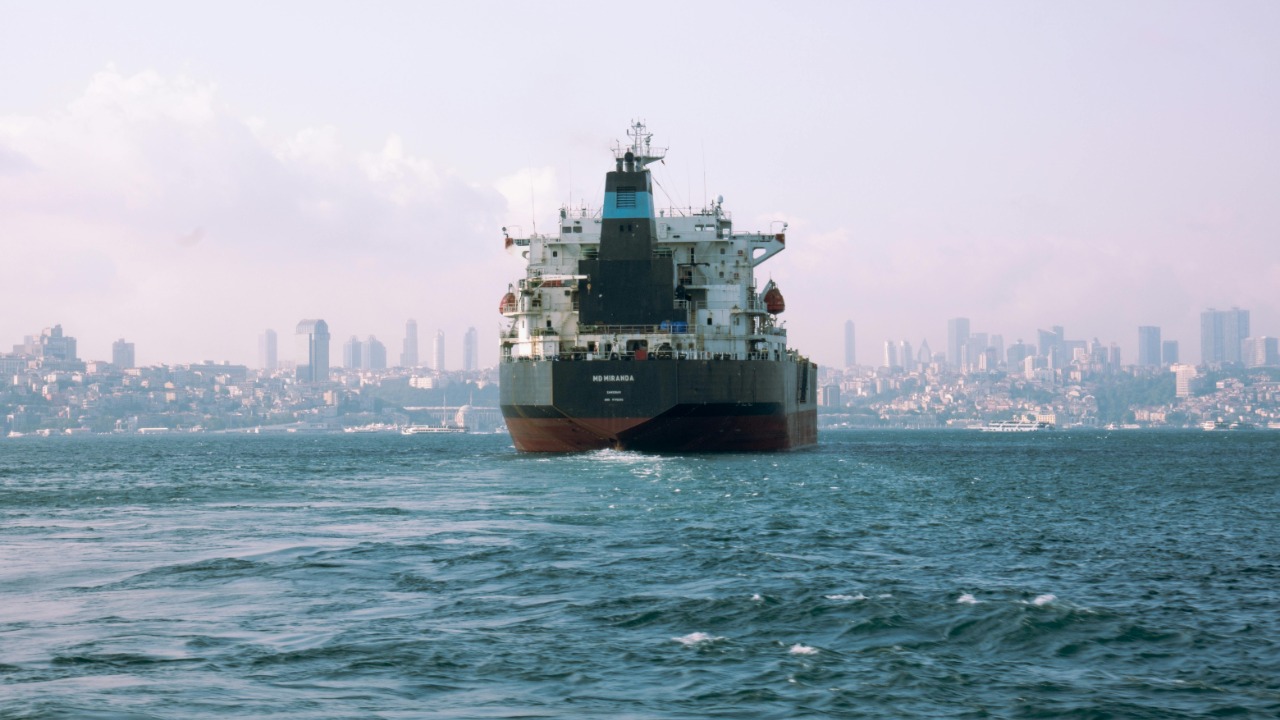
The Growing Tension in the Strait of Hormuz
In the narrow waters between Iran and Oman, a cargo ship’s captain recently received an unusual demand: pay up to $2 million in Chinese yuan or risk a confrontation with Iranian naval forces. According to reports from Associated Press, which relied on data from Lloyd’s List Intelligence, at least two vessels have already complied with this request. The payments were made in Chinese currency, not U.S. dollars, highlighting a shift in financial practices that could have far-reaching implications.
This situation has led to a standoff involving one of the world's most critical waterways. Roughly one-fifth of the global oil supply passes through the Strait of Hormuz daily, making it a focal point for geopolitical tensions. Ship operators now find themselves caught between an Iranian toll regime and U.S. prohibitions against paying such demands.
The U.S. Government’s Position
On May 1, 2026, the U.S. Treasury Department’s Office of Foreign Assets Control (OFAC) issued a sanctions risk alert that left little ambiguity. OFAC confirmed its awareness of Iranian threats to commercial shipping and the demands for toll payments in exchange for safe passage through the strait. The alert outlined various ways these demands could be settled, including fiat currency, digital assets, offsets, informal swaps, or in-kind payments. This broad list suggests that any workaround a ship operator might devise could be considered a form of payment.
Alongside the alert, OFAC published FAQ 1249, which clearly states that payments to the Government of Iran or the Islamic Revolutionary Guard Corps (IRGC) for safe passage are not authorized for U.S. persons, including U.S. financial institutions, or for foreign entities owned or controlled by U.S. companies. This prohibition covers both direct and indirect transfers, effectively closing off any potential legal cover through intermediary structures.
The U.S. government did not stop there. On the same day, new Iran-related designations were added to the regulatory docket, along with the issuance of General License W, which permits limited wind-down transactions involving persons blocked under the May 1 action. This combination of measures signals a coordinated enforcement posture rather than a standalone advisory. Washington appears to view the toll regime as part of a broader pattern of Iranian maritime pressure that has escalated since the tanker seizures in 2019 and increased harassment of commercial vessels in 2023 and 2024.
The Toll Regime in Practice
According to the AP’s reporting, sourced to Lloyd’s List Intelligence, the toll regime is more organized than a simple shakedown. Iran has developed a formalized system that includes vetting procedures, approved intermediaries, permit codes, and naval escorts. Ships that comply receive a code and passage, while those that refuse face the implicit threat of detention or worse in waters where Iran’s fast-attack boats operate within minutes of commercial shipping lanes.
At least two vessels have paid the toll, and the transactions were settled in China, indicating yuan-denominated payments that bypass dollar-clearing systems entirely. The structured and repeatable nature of this process suggests it is designed to scale. If it does, more ships transiting Hormuz will face the same demand, and the financial trail will run through Chinese intermediaries rather than Western banks.
However, the specific vessel names, IMO numbers, flag states, and payment ledgers that would fully confirm the reported transfers have not been made public. OFAC’s alert acknowledges the toll demands but does not publish transaction data or name individual ships that have complied. While Lloyd’s List is a respected maritime intelligence provider and the AP is a wire service with established editorial standards, the reporting is credible but not yet independently verifiable through public records.
The Gaps That Matter
Several significant unknowns shape how this story develops. How Iran allocates the collected tolls is unclear. Whether the money flows to the IRGC’s naval branch, to Iran’s central government budget, or into parallel financial networks remains an open question. That distinction matters because different end recipients could trigger different layers of sanctions exposure for counterparties down the chain.
The compliance decisions of non-U.S.-flagged vessels present another blind spot. OFAC’s prohibition explicitly covers U.S. persons and U.S.-owned foreign entities, but a Greek-flagged tanker owned by a company with no American bank accounts, no U.S. investors, and no American crew falls outside that scope. How many such ships are paying, refusing, or rerouting is not documented in Treasury sources. Insurance implications are similarly murky: whether Protection and Indemnity clubs are adjusting coverage terms, exclusions, or pricing for toll-related risk has not been confirmed in any primary document reviewed for this report.
The yuan settlement mechanism raises its own questions. That payment was settled in China is reported by the AP, but the specific banks, clearing houses, or digital payment rails involved have not been identified publicly. Without that information, the enforcement pathway for U.S. authorities is difficult to trace. Treasury can sanction entities it can name, but anonymous yuan transfers routed through intermediaries in a jurisdiction that does not recognize U.S. secondary sanctions present a practical enforcement challenge, particularly if the transactions never touch a correspondent bank with American exposure.
Why This Reaches Beyond Shipping
For U.S.-connected shipping companies and financial institutions, the compliance obligation is unambiguous: do not pay. But for vessel operators with no U.S. nexus transiting the world’s most important oil chokepoint, the math looks different. A $2 million toll may be cheaper than rerouting around the Cape of Good Hope, cheaper than the insurance premium spike from an Iranian confrontation, and cheaper than the cargo delay costs of waiting for a naval escort that may never arrive. That cost-benefit analysis will vary by cargo type, charter terms, and the operator’s tolerance for risk, but the incentive to pay is real and immediate.
The broader stakes are geopolitical. If Iranian toll collection becomes routine and yuan becomes the default settlement currency for Hormuz transit fees, it would represent a concrete, transaction-level shift away from dollar-denominated trade in one of global energy’s most sensitive corridors. Oil markets have not yet priced in a sustained toll regime, but any disruption to Hormuz traffic historically moves crude benchmarks fast. Consumers who fill their gas tanks thousands of miles from the Persian Gulf would feel the effects within weeks.
That is the tension at the center of this story. Washington says paying is illegal for anyone within its reach. Iran says paying is the price of passage. And in the waters between them, ship operators are already making their choice.

Post a Comment for "Ships Pay Iran $2M in Yuan to Cross Strait as U.S. Threatens Sanctions"
Post a Comment