
Sheep in the Box: A Lo-Fi Masterpiece on Grief and Parenthood
A New Vision of Grief and Technology
Hirokazu Kore-eda’s latest film, Sheep in the Box, explores themes of grief, artificial intelligence, and the concept of found family. The movie, which premiered at the Cannes Film Festival, presents a narrative that is both familiar and refreshingly unique. Known for his humanist approach to storytelling, Kore-eda has always focused on the complexities of human relationships, even when they are fraught with pain and loss.
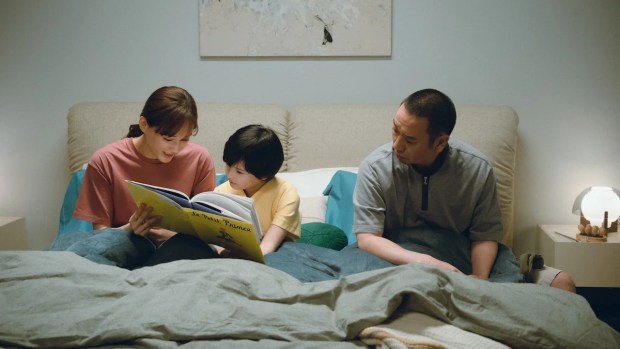
The film delves into the emotional landscape of its characters, particularly focusing on Otone Komoto (Haruka Ayase) and Kensuke Komoto (Daigo Yamamoto), a couple who have recently lost their son, Kakeru. Their journey through grief becomes the central thread of the story, as they navigate the emotional and ethical implications of technology in mourning.
Setting the Scene
From the opening shot, the film sets a tone that is both reflective and forward-looking. The camera pans over the city of Yokohama, capturing the juxtaposition of modern architecture against the natural beauty of the countryside. This visual contrast serves as a metaphor for the themes of the film—how technology and nature coexist, and how humanity fits into this evolving landscape.
The title card describes the setting as "not so distant future," hinting at a world where drones deliver packages and humanoid robots become part of daily life. This backdrop allows Kore-eda to explore the intersection of technology and emotion, particularly in the context of loss.
The Role of Technology in Grief
Otone receives an advertisement from one of the delivery robots offering to create a humanoid replica of her deceased son. Initially hesitant, she is convinced by Kensuke, who sees the potential for profit. This decision marks a turning point in their relationship, as they grapple with the implications of bringing back a version of Kakeru that is not entirely real.
The robotic Kakeru is a perfect physical replica but lacks the depth of personality that defined the real Kakeru. This limitation becomes a source of tension and reflection for the couple. They attempt to teach him about their shared history, but the gap between the past and the present is evident.
Sheep in the Box does not vilify the technology or the parents. Instead, it portrays their actions as a form of coping, a way to deal with the unbearable loss. Kore-eda acknowledges the complexity of parental guilt and the desire to make sense of tragedy.
The Emotional Journey
As Kakeru integrates into their lives, the film explores the nuances of their relationship. He is eager to learn and grow, but his development often conflicts with the expectations of his creators. This dynamic raises questions about identity and the nature of memory.
Kore-eda avoids a typical sci-fi narrative, instead focusing on the emotional impact of the technology. The film poses questions about what it means to remember someone and whether we can truly move on without holding onto the past.
The question "Who do the dead belong to?" lingers throughout the film, challenging the audience to consider the ways in which we keep our loved ones close. The answer is not clear-cut, but the film invites viewers to reflect on their own experiences with grief and loss.
A Thoughtful Reflection
Ultimately, Sheep in the Box is a quiet, contemplative film that offers a fresh perspective on the intersection of technology and human emotion. It is a meditation on the ways we cope with loss and the possibilities of finding meaning in the aftermath.
Through its gentle critique of technology and its nuanced portrayal of grief, the film resonates on a deeply personal level. It is a reminder that even in the face of tragedy, there is the potential for growth, understanding, and connection.

Post a Comment for "Sheep in the Box: A Lo-Fi Masterpiece on Grief and Parenthood"
Post a Comment