
Sheep in the Box: A Fairy Tale on Loss
A Thoughtful Exploration of Grief and Rebirth
Hirokazu Koreeda, known for his deep and introspective storytelling, presents a film that delves into the complex question of who the dead belong to. His latest work is a dream-like journey that explores grief in a unique and profoundly moving way. The film features three remarkable performances, including one from Kuwaki Rumi, and offers a light yet deeply meaningful examination of loss.
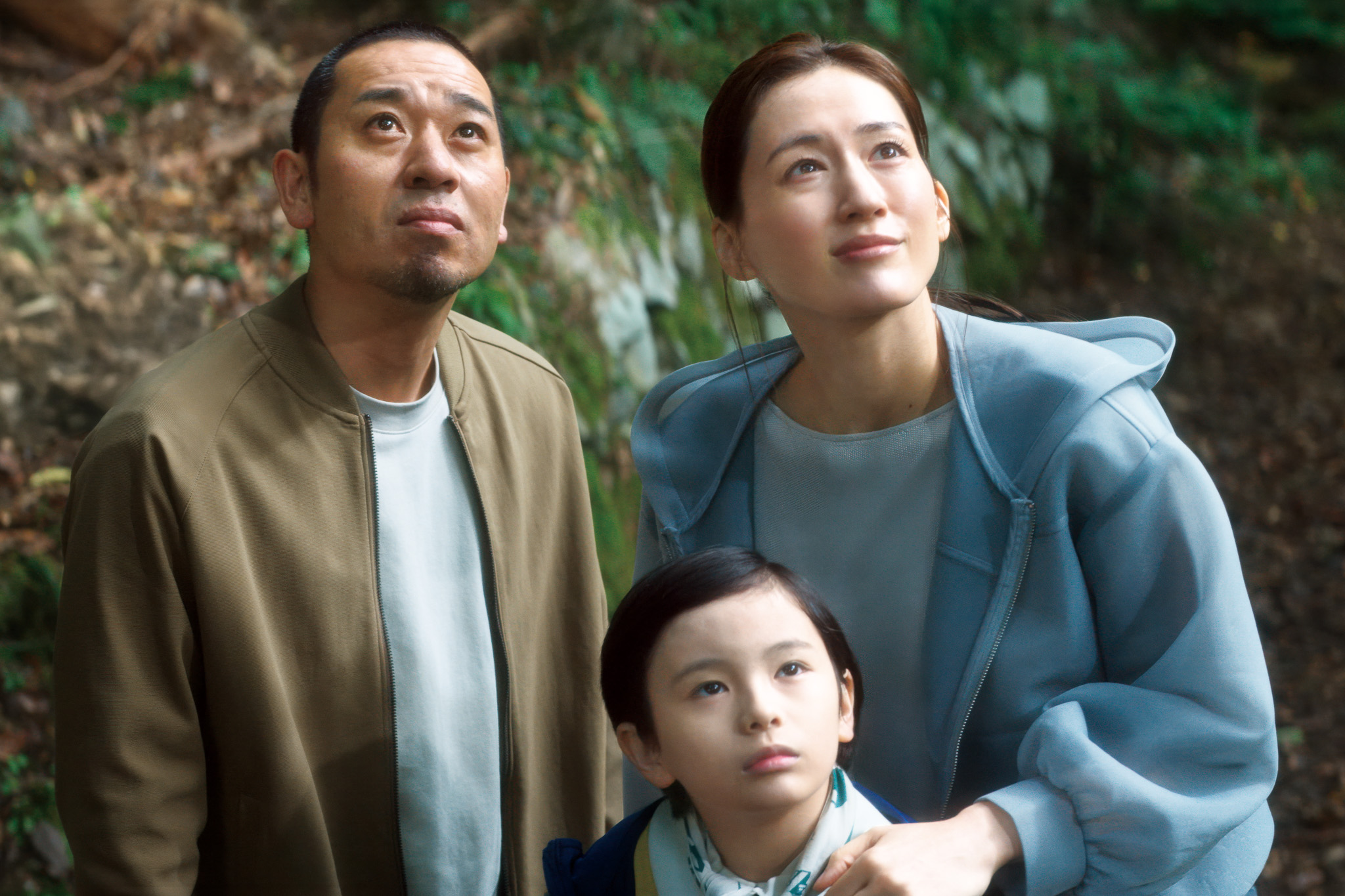
Set in a not-too-distant future, the story follows Otone Komoto (Haruka Ayase), an artist and architect living in an affluent waterside suburb with her husband Kensuke (Daigo), a carpenter. The family has been dealing with the tragic loss of their seven-year-old son, Kakeru, in a freak accident two years prior. This pain is compounded by the disappearance of their family cat, adding to the emotional weight of their lives.
Otone receives a package delivered by drone, which includes an invitation from a company called REBirth. The message reads, "Don't forget me." Initially, she pushes aside the emotional turmoil, focusing instead on her latest project: designing a bespoke home for a fussy married couple. However, the invitation from REBirth becomes a pivotal point in her life.
The Komotos are selected by REBirth for a special offer aimed at those who have lost loved ones to accidents or crimes. The company promises a "complimentary rental of our latest edition humanoid." Kensuke is skeptical, viewing the offer as suspicious, while Otone is more open to considering it. Their visit to REBirth's modernist offices reveals the company's slick marketing, showcasing its advanced AI and robotics technology.
During this visit, Otone encounters one of the company's 3,000 humanoid robots—a child. She asks Kensuke if he can tell the difference, but he cannot. That night, Otone begins sorting through photographs, old clothes, and family memorabilia to help with the resurrection process. Soon after, a van arrives, and Kakeru is in the passenger seat—where he always sat—dressed in the clothes Otone chose. "I'm home," he says, and Otone's heart melts.
Kakeru's return is handled with care, as Otone goes through the rules and instructions necessary for his care and upkeep. She sets his intelligence level at age seven and learns how to charge his battery. While Otone is besotted, Kensuke is not. He dismisses the child-bot as a Tamagotchi or a Roomba, even telling him, "I'm not your papa. Call me mister." This creates a gentle Ozu-style conflict between Otone's forward-thinking mindset and Kensuke's skepticism.
However, once Kakeru appears, it is only a matter of time before Kensuke accepts him as his own. The film raises the question of whether Kakeru is truly his child. Koreeda takes an interesting approach, avoiding the typical trope of a bad seed. Instead, he explores the possibility that Kakeru can be good for the Komotos, especially for Kensuke.
By the end, it is clear that Koreeda has transformed the stuff of dystopian cyberpunk nightmares into an elegant, wistful fairytale. He draws on elements from stories like Pinocchio, The Little Prince, and biblical narratives, along with Yuta Bandoh's ethereal soundtrack and Ryûto Kondô's stunning visuals, to craft a beautiful allegory where all the main characters are reborn.
Everyone in the film delivers exceptional performances, but Haruka Ayase's work stands out as extraordinary. Her portrayal of Otone is both powerful and nuanced, leaving audiences eager to see what she will do next.
Key Details
- Title: Sheep In The Box
- Festival: Cannes (Competition)
- Director/screenwriter: Hirokazu Koreeda
- Cast: Haruka Ayase, Daigo, Kuwaki Rimu
- Distributor: Neon
- Running time: 2 hrs 6 mins

Post a Comment for "Sheep in the Box: A Fairy Tale on Loss"
Post a Comment