
Salt Palace Hotel, Bolivia — Where Walls Warn Guests Not to Lick
A Unique Hotel Made Entirely of Salt
On the edge of the world’s largest salt flat, in southwestern Bolivia, stands a hotel unlike any other. The Palacio de Sal, or Salt Palace, is a marvel of unconventional architecture where every surface—walls, floors, ceilings, beds, tables, chairs, and even sculptures—is made of salt. Not just coated in salt, but constructed entirely from compressed salt blocks, quarried from the Salar de Uyuni, roughly four kilometers away.
The hotel has a written notice asking guests not to lick the walls, and for good reason. Many guests do try, drawn by the novelty of being inside a building made of salt. This unusual behavior has led to the need for such a warning, as repeated licking can erode the salt blocks over time and pose hygiene concerns.
Location and History
The Palacio de Sal sits on the eastern edge of the Salar de Uyuni, a vast salt flat covering 10,582 square kilometers at an elevation of 3,656 meters in Bolivia’s Potosí Department. It is the largest salt flat on Earth, significantly larger than the state of Connecticut, and contains an estimated 10 billion tons of salt.
The hotel originally opened in 1998, built directly on the Salar itself. However, due to environmental contamination concerns, the original structure had to be demolished. The current version of the hotel was built in 2007, situated on a small piece of solid ground away from the Salar, with proper sanitation infrastructure. Approximately 30 guest rooms are arranged around a central lounge and dining area, with all interior surfaces and most furniture constructed from salt blocks cut from the Salar.
Construction Using Salt Blocks
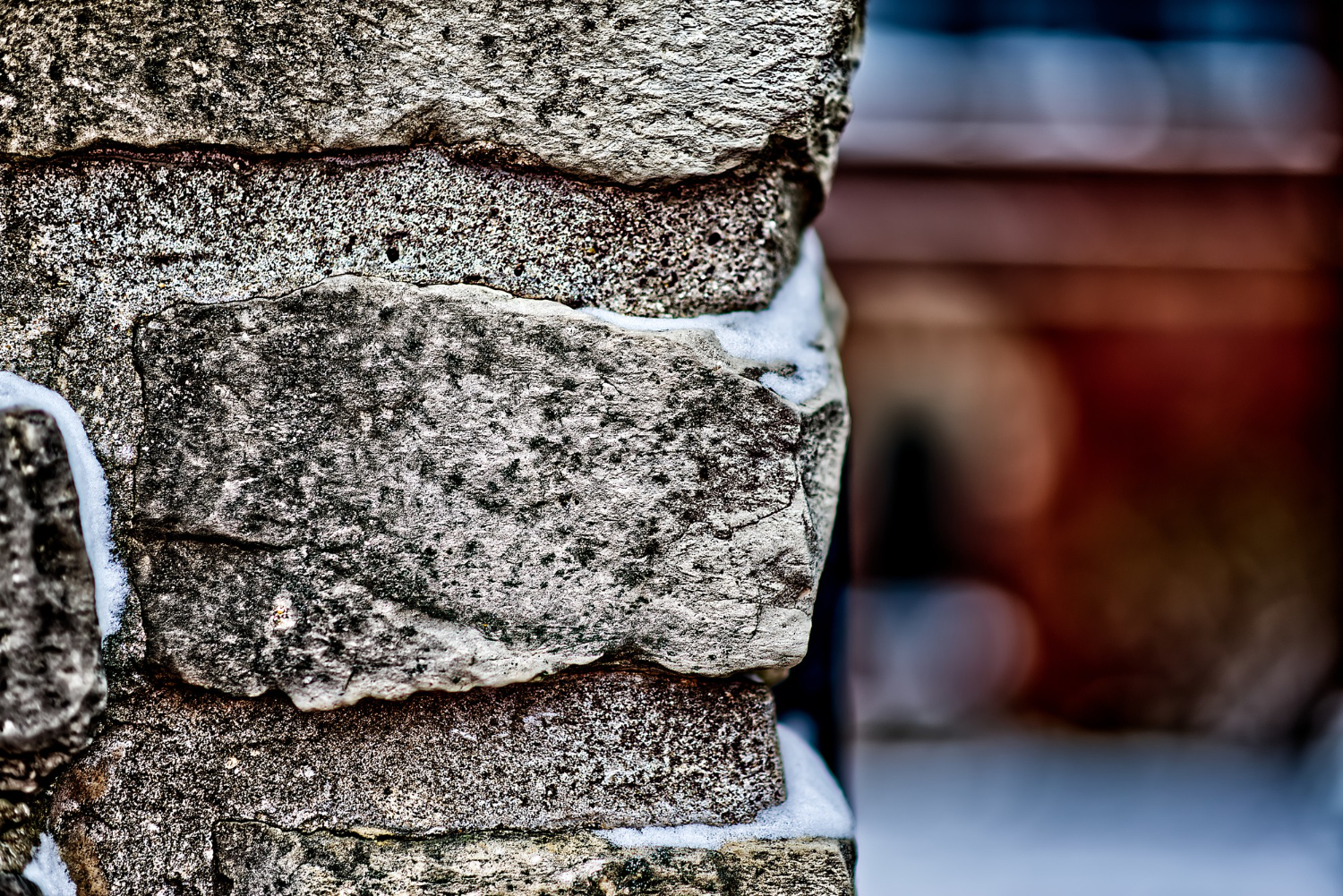
The salt blocks used in the construction of the hotel are cut directly from the hardened upper crust of the Salar. These blocks are then dried and compressed. Each block weighs about 30-33 pounds and is similar in size to a cinder block, though much heavier due to the density of salt. The blocks are bonded together using a slurry of wet salt that hardens as it dries, effectively fusing adjacent blocks.
Because steel and salt are mutually destructive, the building’s structural design relies entirely on mass and the compressive strength of salt itself. While salt has reasonable compressive strength, it has very poor tensile strength. This means that salt buildings can be tall and supported, but they cannot have long unsupported spans. As a result, the Palacio de Sal's interior is divided into many small spaces with frequent supporting walls, which gives the hotel a maze-like character that many guests find appealing.
Why There’s a “Do Not Lick” Sign
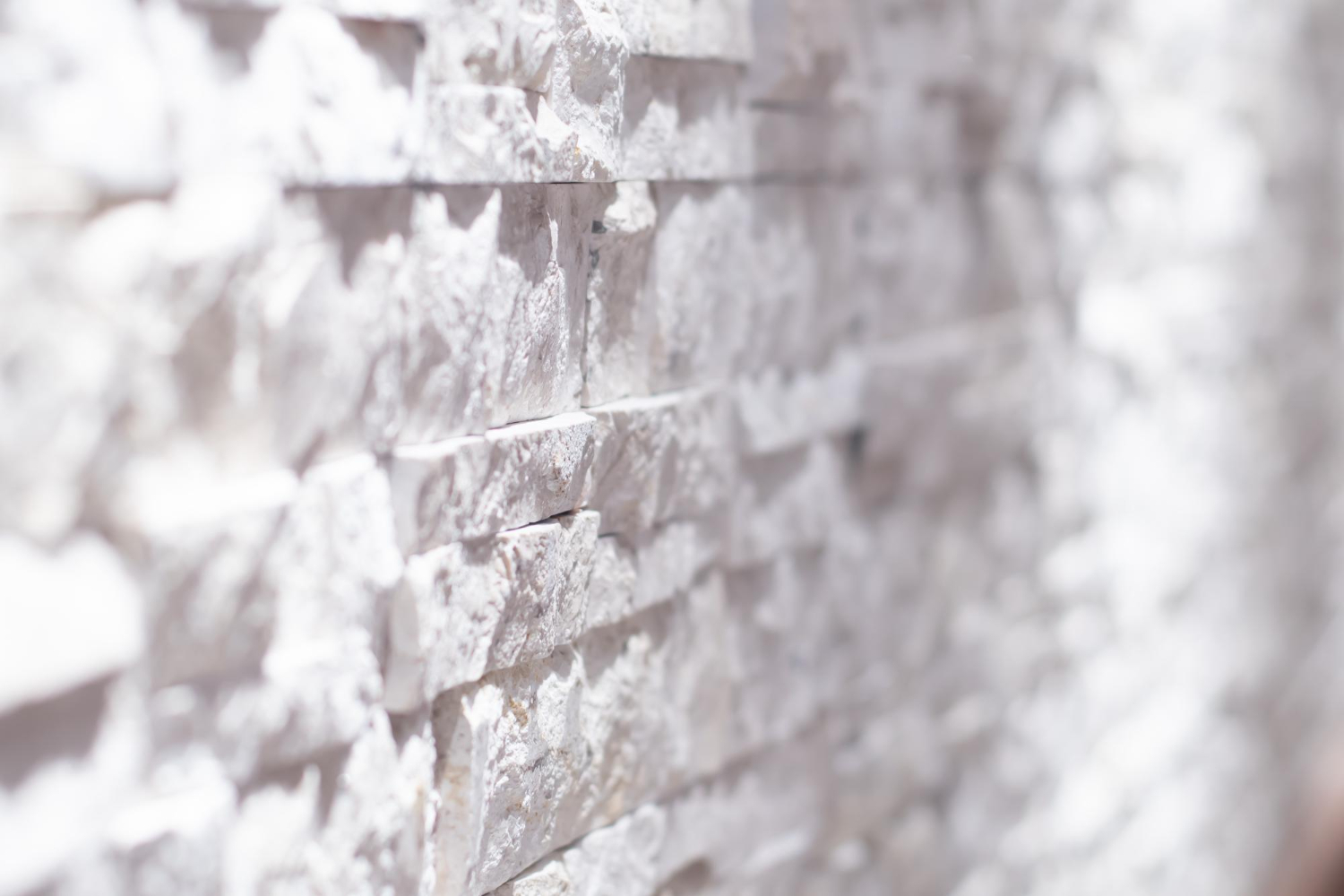
Despite the warning, guests often lick the walls. There is something about being in a building made entirely of salt that creates an irresistible urge to confirm what you’re seeing. Over the years, hotel staff have observed this behavior enough to post a formal notice asking guests not to do it.
The reasons for the notice are practical rather than punitive. First, repeated tongue contact erodes the salt blocks measurably over time. While a single lick may seem insignificant, the cumulative effect across 30 guest rooms and several thousand visitors per year adds up. Second, there are hygienic concerns: shared salt surfaces touched by many guests are not a healthy thing to put your tongue on, regardless of the underlying material.
Although the salt is food-grade or near-food-grade, it has been sitting in a hotel for years and has been touched by many hands. The notice is essentially a polite request that guests consider both the building’s structural integrity and their own digestive system.
What a Night at the Palacio Involves
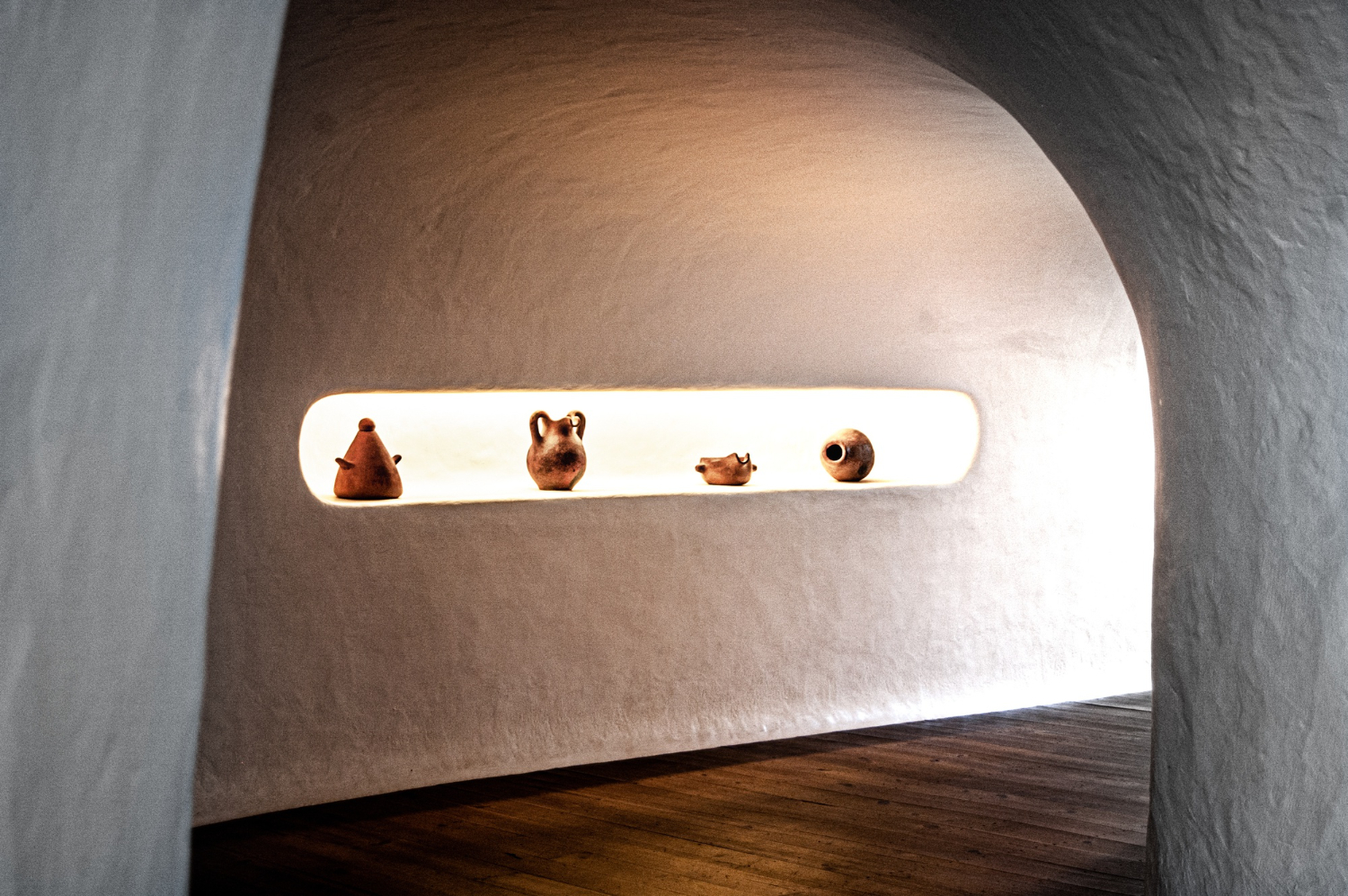
Rooms at the Palacio de Sal include traditional amenities, such as beds with conventional mattresses placed on salt-block bedframes, bathrooms with conventional plumbing (not salt fixtures), heating systems (necessary at 3,656 meters elevation), and electricity. The salt is everywhere but doesn’t interfere with daily life. The floors have a grit-like texture, while the walls have a rough crystalline texture. The bed frame is sculpted from salt, and even the small writing desk is made of salt.
Bathroom walls and floors are conventional tile, as the designers determined that salt and water in repeated exposure wouldn’t survive long-term. Rooms typically cost between 250-500 USD per night during peak season, making it mid-to-upper-range by Bolivian standards but significantly less expensive than equivalent-novelty hotels in Europe or North America.
The Wider Uyuni Circuit
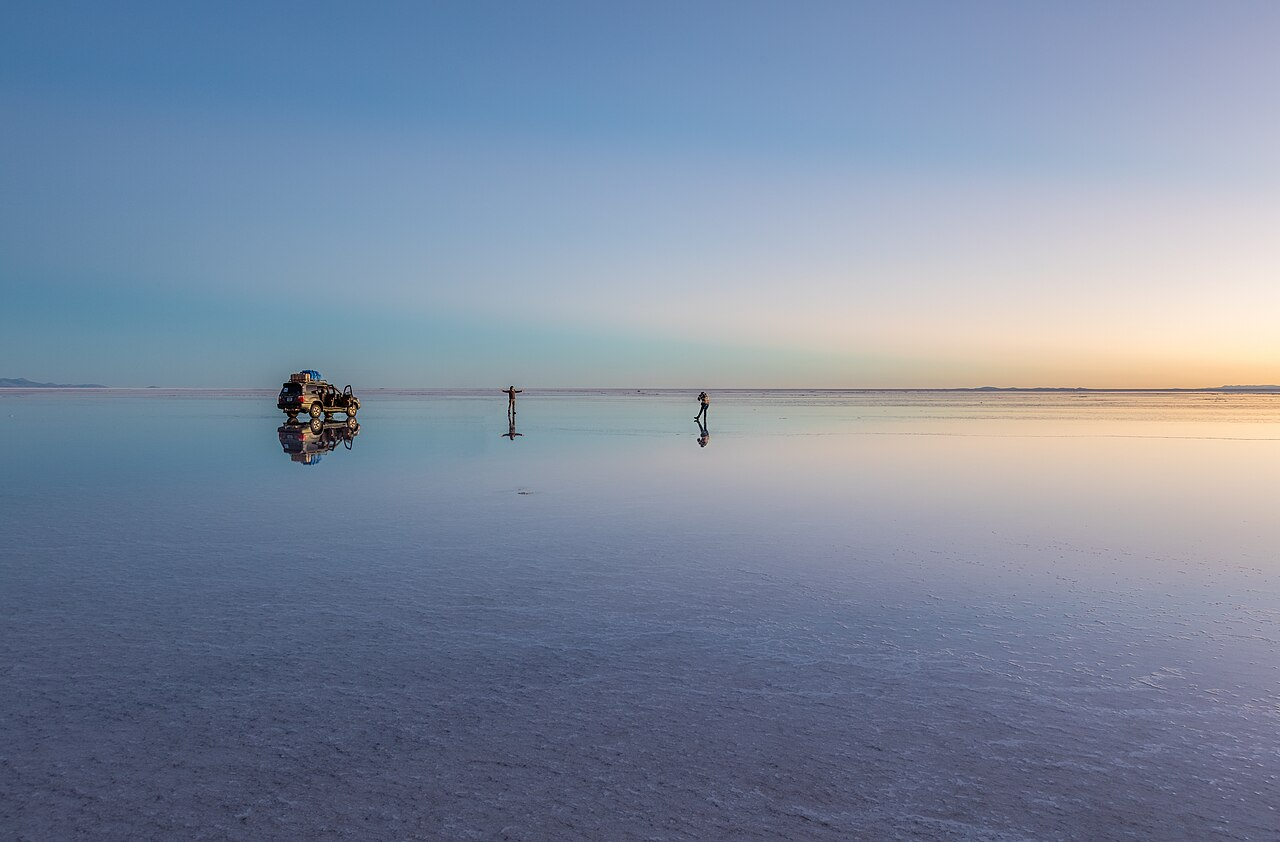
Most travelers don’t visit just the Palacio de Sal. The Salar de Uyuni and surrounding lagoons typically anchor a 3-day, 4-day, or longer overland tour through southwestern Bolivia’s altiplano. The standard circuit includes the Salar itself, the colored lagoons of the Reserva Eduardo Avaroa, geysers at Sol de Mañana, hot springs at Termas de Polques, and the surreal landscape of the Salvador Dalí desert.
The Palacio works as one piece of this circuit, often serving as the first or last night’s accommodation due to its proximity to Uyuni town and the airport. Other accommodations along the circuit are simpler, with basic lodges offering limited heating and running water. The contrast between the Palacio and these refugios is a consistent observation in trip reports from this region.
Practical Considerations
The Palacio de Sal sits at an elevation of 3,656 meters (12,000 feet) above sea level. Altitude sickness affects a significant percentage of visitors, especially those arriving directly from sea level. Most experienced operators recommend spending at least one night in La Paz or Sucre before continuing to Uyuni. Pharmacological options, including acetazolamide (Diamox), are widely used. Staying hydrated, moving slowly during the first 24 hours, and avoiding alcohol can help. While the Palacio itself does not provide supplemental oxygen as standard, some higher-end hotels in the region do.

Post a Comment for "Salt Palace Hotel, Bolivia — Where Walls Warn Guests Not to Lick"
Post a Comment