
Rising Gas Costs Strain Triad Food Pantries and Mobile Markets
The Rising Costs of Feeding Communities
As food and fuel costs continue to rise across the Triad region, local food programs are facing significant challenges. These organizations, which play a crucial role in supporting families in need, are feeling the pressure from both increasing operational costs and a growing demand for assistance.
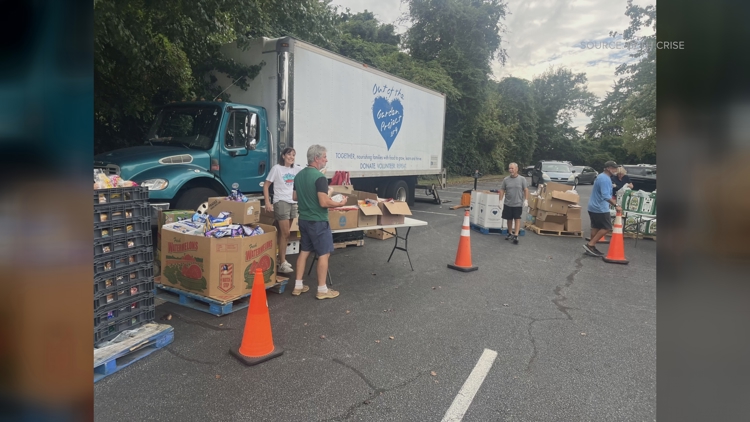
At Out of the Garden Project in Greensboro, food is distributed through mobile food markets that bring groceries directly to communities experiencing food insecurity. Beth Crise, the executive director of the nonprofit, explains the process: “We load up a box truck with produce, meat, deli, dairy, bread, shelf-stable food items.” However, the cost of transporting this food has become increasingly burdensome.
Crise notes that the organization's diesel-powered trucks have led to higher expenses. “It is expensive to go out every day to pick up food,” she said. “Then the increased cost of bringing that food out to the community, we are feeling the weight of that.”
In April 2025, Out of the Garden Project spent about $2,700 on fuel. By the same month in the following year, that figure had risen to nearly $4,000. Crise added that filling up the nonprofit’s trucks can now cost anywhere from $160 to $300 per trip.
Growing Demand for Food Assistance
At the same time, more families are turning to these programs for help. Crise mentioned that the number of participants in their mobile markets has increased by over 1,000. She attributes this surge to rising living costs, including gas and groceries, which have forced many people to seek assistance they previously might not have considered.
“People who maybe never felt like they qualified for it, but now because of the rising costs, living expenses, gas, groceries. All of that's gone up,” she said.
Susan Cox, CEO of Simple Ways Inc. and its Community Support Nutrition Program in Greensboro and High Point, echoed similar concerns. “Diesel costs are up, and that's what we use with our box trucks to go pick up,” she explained.
Cox noted that rising fuel costs affect nearly every step of food distribution. “Fuel cost that they're adding to those invoices...in order to get it shipped to us,” she said. These added expenses strain organizations already operating on limited budgets.
“It reduces our purchasing power,” Cox said. “When you add those costs up over time or when your fuel cost to go pick up donations or orders that you've done, doubles, it takes a bite out of the budgets.”
Adjusting Operations to Cope with Costs
To mitigate these challenges, some organizations are making adjustments. Cox shared that her team is trying to be more efficient with delivery schedules. “Instead of maybe going out three or four days a week, we've cut it down to two or three days a week,” she said. This approach helps reduce fuel consumption and manage costs.
Despite these efforts, Cox acknowledges that the situation is likely to worsen. “We've already seen an uptick in the number of people that are seeking services,” she said. “We know it's moving in that direction. We just don't know how high.”
Both Out of the Garden Project and Simple Ways Inc. are encouraging the community to support their efforts. They are asking for food donations, volunteers, financial contributions, and even gas card donations for volunteers and delivery drivers.
“We’re there when they need us,” Cox said. “The increase in the cost of everything, it's not just affecting a particular group of people. It could be your next door neighbor, it could be your relative, it could be your best friend.”

Post a Comment for "Rising Gas Costs Strain Triad Food Pantries and Mobile Markets"
Post a Comment