
Opposition Grows to Paramount-WBD Merger. Will It Block the Deal?
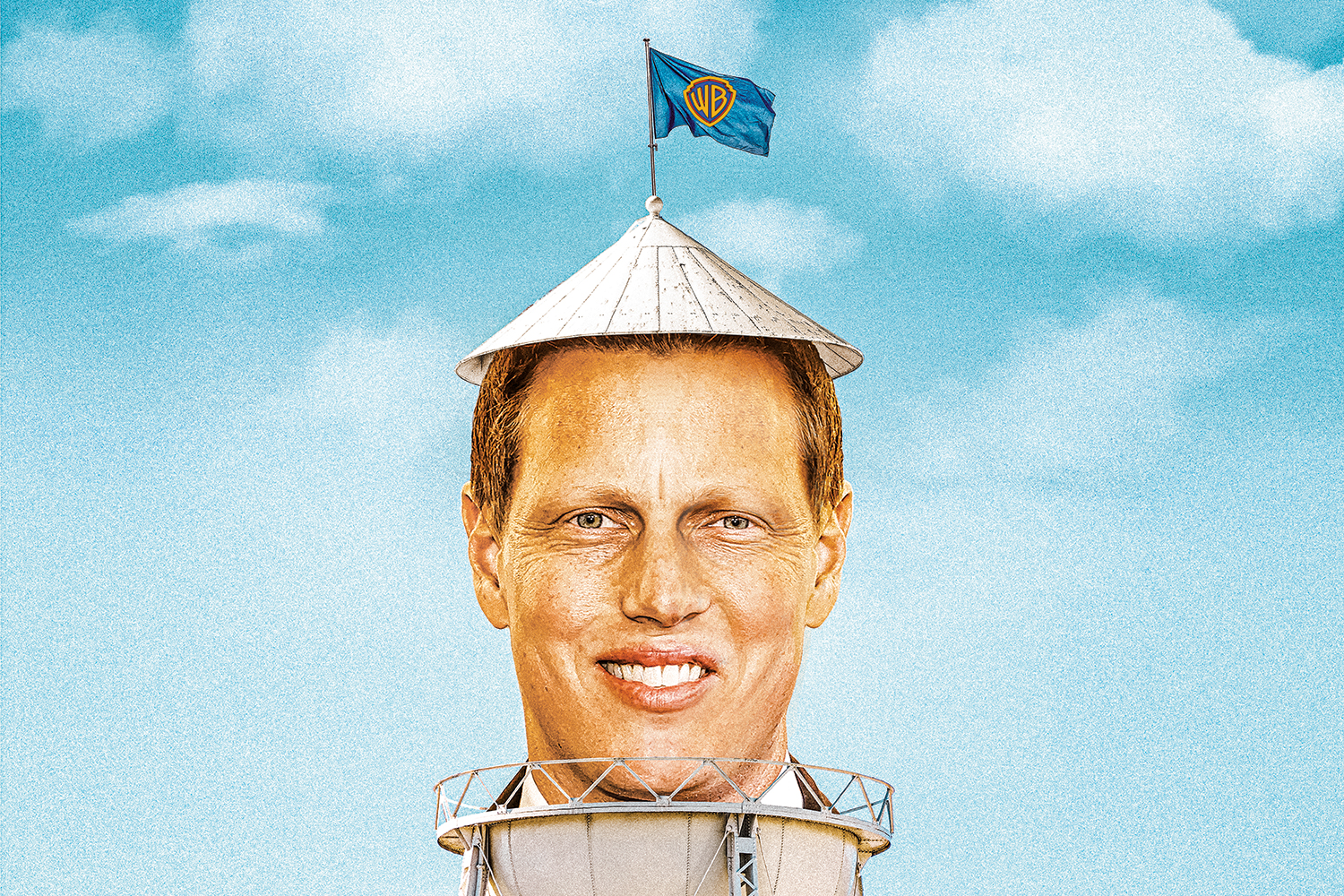
The Debate Over the Paramount-Warner Bros. Merger
The proposed $111 billion merger between David Ellison’s Paramount and Warner Bros. Discovery has sparked a lot of controversy and concern among various stakeholders in the entertainment industry. Critics argue that this consolidation could lead to significant changes in the landscape of Hollywood, affecting everything from job opportunities to consumer choice. However, the question remains: what specific changes will this merger bring, if any?
Concerns from Industry Leaders
Mark Ruffalo, a well-known actor, recently expressed his concerns in a New York Times op-ed, suggesting that many Hollywood stars are hesitant to sign a letter opposing the deal due to fears of being blacklisted. This sentiment is echoed by House Democrats, who have called on California Attorney General Rob Bonta to closely examine the merger. They believe that the deal could have far-reaching implications for the industry and its workers.
Opponents of the merger highlight several issues, including the potential reduction in jobs and the limited choices available to consumers. They reference past cases where similar consolidations led to antitrust problems, such as the settlement involving Ticketmaster and Live Nation. Additionally, there is ongoing litigation against Nexstar-Tegna, which has complicated their integration process. Perry Sook, CEO of Nexstar, emphasized the importance of fighting for the future of local journalism, indicating that the challenges faced by media companies are not isolated incidents.
The Benefits According to David Ellison
On the other hand, David Ellison, the head of Paramount, maintains that the merger is beneficial for Hollywood. He argues that the combined entity will release at least 30 films annually, significantly increasing the number of movies released compared to Paramount alone. This growth is evident, as Paramount has nearly doubled its film slate from eight titles in 2025 to 15 this year.
However, the increase in film releases does not necessarily translate to higher revenue. In its recent earnings report, Paramount indicated that it expects "significantly lower theatrical revenue year-over-year" in 2026. This projection is partly due to the tough comparison with the success of "Mission: Impossible – The Final Reckoning," which generated nearly $600 million globally. This suggests that simply producing more films may not equate to greater financial success.
Legal Challenges and Market Share
The legal battle over the merger hinges on whether it is inherently anti-competitive. A recent lawsuit filed by three Paramount+ subscribers claims that the merged company would become the largest studio, surpassing Disney. However, the lawsuit estimates that the merged entity would have approximately 23.6% market share, which is far from a monopoly.
According to Nielsen data for February, WBD and Paramount together would hold 12.2% of total U.S. TV watch time. This figure makes it challenging to build a strong antitrust case against the merger. As a result, those opposing the deal might find their most viable option to be lobbying for conditions on the merger, such as job protection guarantees or production minimums.
The Role of David Zaslav
Meanwhile, David Zaslav, the CEO of Warner Bros. Discovery, is waiting for the merger to close, which both parties expect to happen in September. In 2025, Zaslav received a nearly $110 million stock-option grant for leading the plan to split WBD into two entities. Although this plan will not proceed if the merger is completed, Zaslav retains the options regardless.
As the industry continues to navigate the complexities of this merger, the focus remains on understanding its implications for the future of entertainment and media. The outcome of this deal could set a precedent for how major studios operate in an increasingly competitive market.

Post a Comment for "Opposition Grows to Paramount-WBD Merger. Will It Block the Deal?"
Post a Comment