
NYC Commuter Rail Strike Disrupts 300K Daily Riders
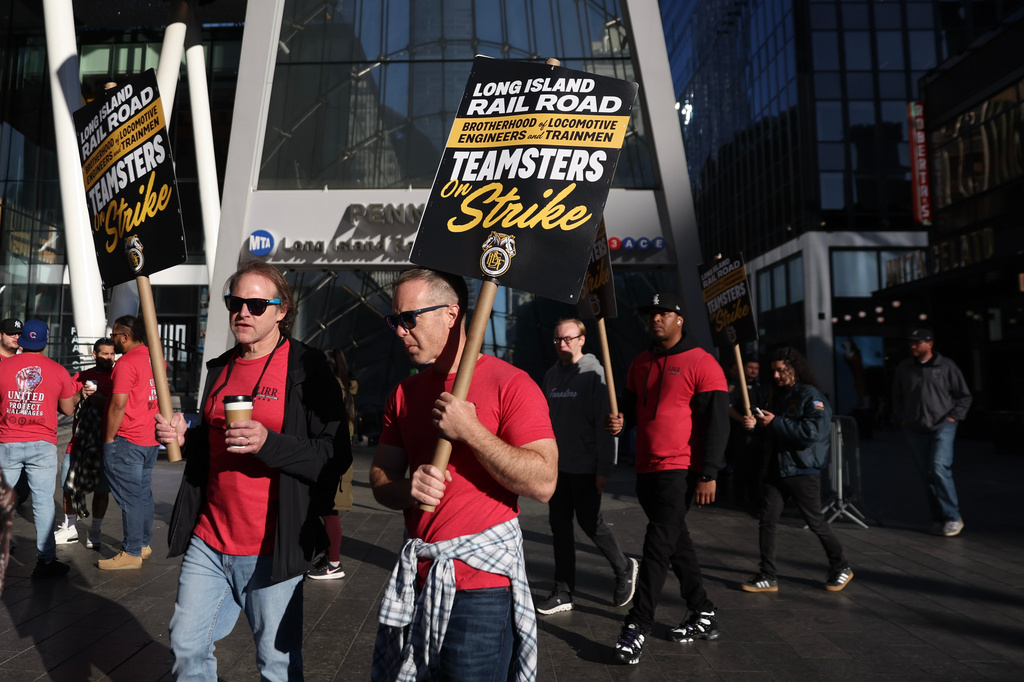
The Long Island Rail Road Faces a Major Shutdown
The Long Island Rail Road (LIRR), which is the largest and busiest commuter railroad in North America, has been effectively shut down after 3,500 unionized workers went on strike early Saturday. This disruption affects roughly 300,000 daily riders and is expected to significantly impact commuting patterns in the region for the foreseeable future.
The strike was triggered by five unions representing about half of the railroad's workforce. These groups were unable to reach an agreement on pay increases during monthslong negotiations with the Metropolitan Transportation Authority (MTA). The strike began at 12:01 a.m. on Saturday, marking a major blow to the transportation network that serves millions of people each day.
MTA's Response and Impact on Commuters
In response to the strike, the MTA has urged riders to be flexible and consider working from home until a resolution is reached. "Unfortunately, there is no substitute for the Long Island Rail Road, and its shutdown will cause severe congestion and delays," the MTA stated. "Avoid nonessential travel and work from home if possible."
The agency also warned that commuters should plan accordingly, as roadways and alternative transit options may become overwhelmed due to the sudden influx of travelers. To mitigate the impact, the MTA has arranged shuttle buses to New York City subway stations. However, this solution is not sufficient to address the large volume of commuters who typically rely on the LIRR for their daily commute.
Pay Dispute and Negotiations
The dispute centered around wage increases, with unionized workers demanding a retroactive 9.5% raise covering the last three years and an additional 5% increase for this year. According to MTA CEO Janno Lieber, the agency had already offered the unions what they claimed they wanted in terms of pay. He suggested that the unions may have intended to walk out from the start.
By Friday, the MTA and the unions were only 1% apart on wage increases before the talks collapsed. No new negotiations have been scheduled, according to the Brotherhood of Locomotive Engineers and Trainmen.
Political Fallout and Blame Game
New York Governor Kathy Hochul (D-NY) called for an immediate return to the negotiating table, criticizing the unions for what she described as reckless actions. "These unions represent the highest paid workers of any railroad in the nation, yet they are demanding contracts that could raise fares as much as 8%, pit workers against one another, and risk tax hikes for Long Islanders," she said in a statement.
Hochul also blamed the Trump administration for cutting mediation short and pushing the negotiations toward a strike. She emphasized that the MTA had made multiple fair offers that included meaningful wage increases, but that progress was stalled due to a lack of good-faith engagement from the unions.
The unions had previously asked the Trump administration to intervene by forming an emergency board to review the dispute. Two federal panels, appointed by President Donald Trump, recommended that the MTA offer the unions more money. However, these recommendations were not binding.
Strain on Regional Economy and Politics
The LIRR strike had been averted twice in the past year, but this weekend’s action marks a significant escalation. The railroad shutdown could cost the region up to $61 million per day, according to an estimate from New York State Comptroller Thomas DiNapoli.
The situation has also become a political flashpoint. Governor Hochul, who is seeking reelection this year, faces criticism from her opponents. Nassau County Executive Bruce Blakeman, a Republican endorsed by Trump, accused Hochul of failing to take responsibility for the strike. "This strike didn’t come out of nowhere — Hochul knew this deadline was coming and still allowed commuters, small businesses, nurses, teachers, and tourists to become collateral damage," he said.
Future of the Strike and Public Transit
New York City Mayor Zohran Mamdani has urged residents to plan for alternative transit options as the city continues to monitor the ongoing contract negotiations involving the LIRR. This is the first strike affecting the railroad since 1994, and it remains unclear how long the latest strike will last.
As the situation unfolds, commuters, businesses, and local leaders are bracing for the continued disruption caused by the shutdown. The outcome of the negotiations will determine the extent of the impact on the region's economy and daily life.

Post a Comment for "NYC Commuter Rail Strike Disrupts 300K Daily Riders"
Post a Comment