
Nuclear Power Breaks Global Output Record, IEA Forecasts 50% Clean Energy by 2030
Record Nuclear Output and the Rise of Low-Emissions Energy
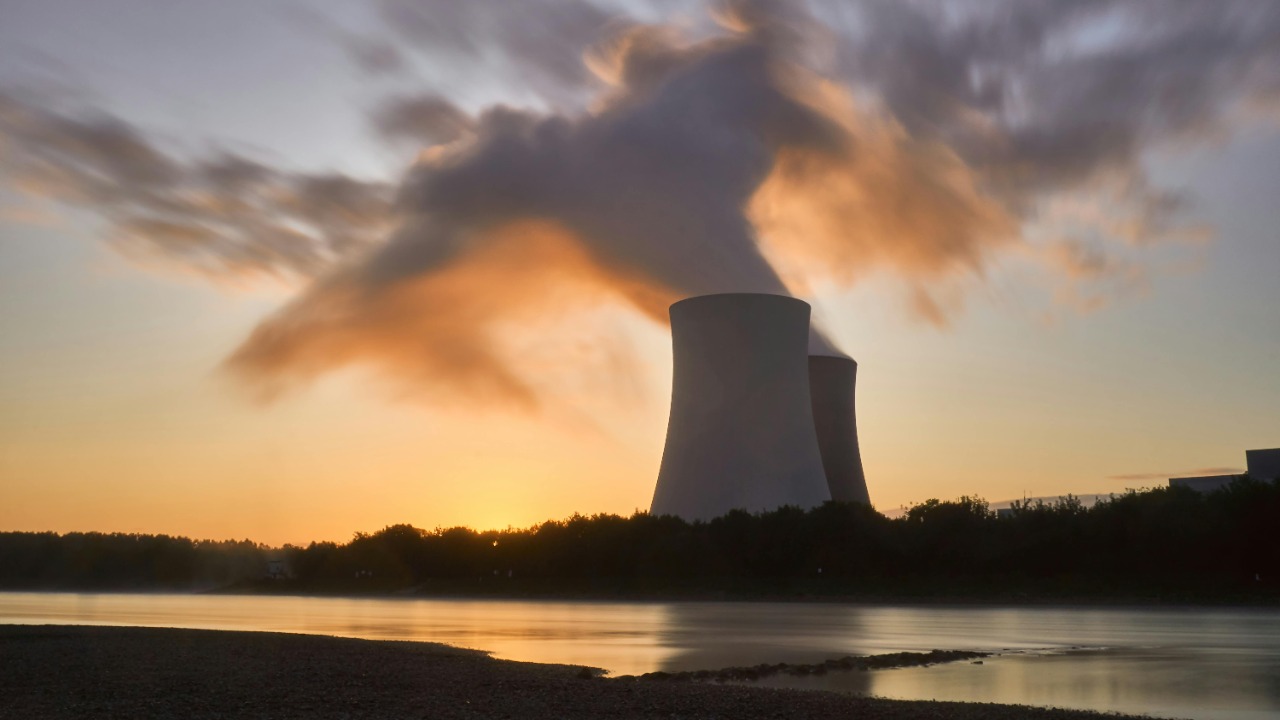
Nuclear power plants around the world have achieved a historic milestone, generating more electricity than in any previous year. This surge has pushed global nuclear output to an all-time high, as reported by the International Energy Agency (IEA) in its Electricity 2026 forecast. Alongside a rapid expansion of solar and wind energy, low-emissions sources now supply about 42% of the planet’s electricity. The IEA predicts that this share will reach approximately 50% by 2030, marking one of the most significant structural shifts in the power sector in history.
Key Data Behind the Record
Two critical data points support this trend. First, renewables and nuclear together accounted for over 80% of global electricity generation growth in 2024, according to the IEA's Global Energy Review 2025. Second, these low-emissions sources covered roughly two-fifths of total worldwide electricity generation that year. Solar photovoltaic (PV) led the expansion, while hydro and wind outputs fluctuated with weather conditions.
China is the primary driver of this growth on both fronts. The country added more new solar capacity in 2024 than the rest of the world combined and continued its aggressive nuclear construction program, bringing multiple large reactors online ahead of schedule. France saw its nuclear fleet rebound after maintenance outages in 2022 and 2023, while Japan restarted several reactors that had been idle since the Fukushima disaster. Together, these three countries account for the majority of the nuclear output gains that contributed to the global record.
Economic Trends Supporting the Shift
The economics of energy production further reinforce this shift. New utility-scale solar is now the cheapest source of electricity in most markets, with levelized costs frequently below $40 per megawatt-hour, according to the IEA and the International Renewable Energy Agency. Although nuclear plants are expensive and slow to build, they provide steady output over decades, offering reliability that solar and wind cannot match during nighttime or calm weather. This combination is accelerating the decline of coal’s share in the global power mix faster than many forecasts predicted just a few years ago.
The Path to 50% by 2030
The IEA’s projection that low-emissions sources will supply about half of global electricity by 2030 is based on its Stated Policies Scenario, which assumes governments follow through on existing legislation and targets. It does not rely on new climate laws or technological breakthroughs. The agency’s World Energy Outlook 2024 notes that low-emissions sources are "set to generate more than half of the world’s electricity before 2030."
The difference between "around half" and "more than half" reflects the uncertainty in forecasting global electricity demand. Small changes in economic growth, fuel prices, or the speed of solar deployment in India and Southeast Asia could affect the final percentage. Readers should view 50% as a central estimate rather than a guaranteed threshold.
One key variable the IEA has highlighted is the surging electricity demand from data centers and artificial intelligence workloads. The Electricity 2026 report notes that digital infrastructure is consuming more power rapidly, increasing the total amount of generation needed. If demand grows faster than expected, reaching 50% becomes more challenging, even if renewable and nuclear capacity additions stay on track.
Grid Constraints and the Need for Investment
Generation capacity is no longer the main bottleneck. The world is producing and installing enough solar panels and building enough reactors to meet the IEA’s targets. However, the real challenge lies in delivering that power to where it is needed.
In the United States, over 2,600 gigawatts of generation and storage projects were waiting in interconnection queues at the end of 2024, with average wait times exceeding four years. In Europe, grid congestion has forced wind farms in Germany to curtail output and delayed solar connections in Spain and Italy. Similar challenges exist in parts of China, where renewable-rich western provinces struggle to transmit power to coastal cities.
The IEA has emphasized the need for massive investment in transmission lines, battery storage, and flexible generation. Building long-distance high-voltage lines takes significantly longer than installing a solar farm. If permitting timelines do not improve, regions with abundant clean energy resources may continue to waste power they cannot deliver, potentially derailing the 50% target despite the availability of the necessary hardware.
Factors That Will Shape the Outcome
Several policy and market decisions over the next few years will determine whether the IEA’s forecast holds. Trade policies, such as tariffs on Chinese-made solar panels, could slow deployment in the U.S. and Europe. The future of incentives under the Inflation Reduction Act in Washington remains uncertain. Reactor construction timelines also matter, as Western projects have a history of cost overruns and delays, while China plans to approve six to eight new nuclear units annually.
Battery storage is another wildcard. Lithium-ion prices have dropped sharply, and grid-scale installations are accelerating in the U.S., China, and Australia. If storage costs continue to fall, batteries can help fill gaps left by variable solar and wind, reducing the grid integration challenge. However, supply-chain disruptions or mineral shortages could stall progress, making the case for keeping coal and gas plants stronger.
A Transformative Shift
The shift from 42% to roughly 50% of global generation in five years would accelerate coal’s decline, reshape electricity markets, and alter the geopolitics of fuel trade. However, the outcome is not yet certain. The IEA’s numbers reflect what is technically and economically feasible under current policies. Whether this trajectory becomes reality depends less on the physics of generation and more on the engineering and politics of connection—where lines get built, how quickly grids modernize, and whether flexible resources come online fast enough to keep the lights on during the transition.

Post a Comment for "Nuclear Power Breaks Global Output Record, IEA Forecasts 50% Clean Energy by 2030"
Post a Comment