
New Maritime Rules Redefine Iran-US-Israel Conflict
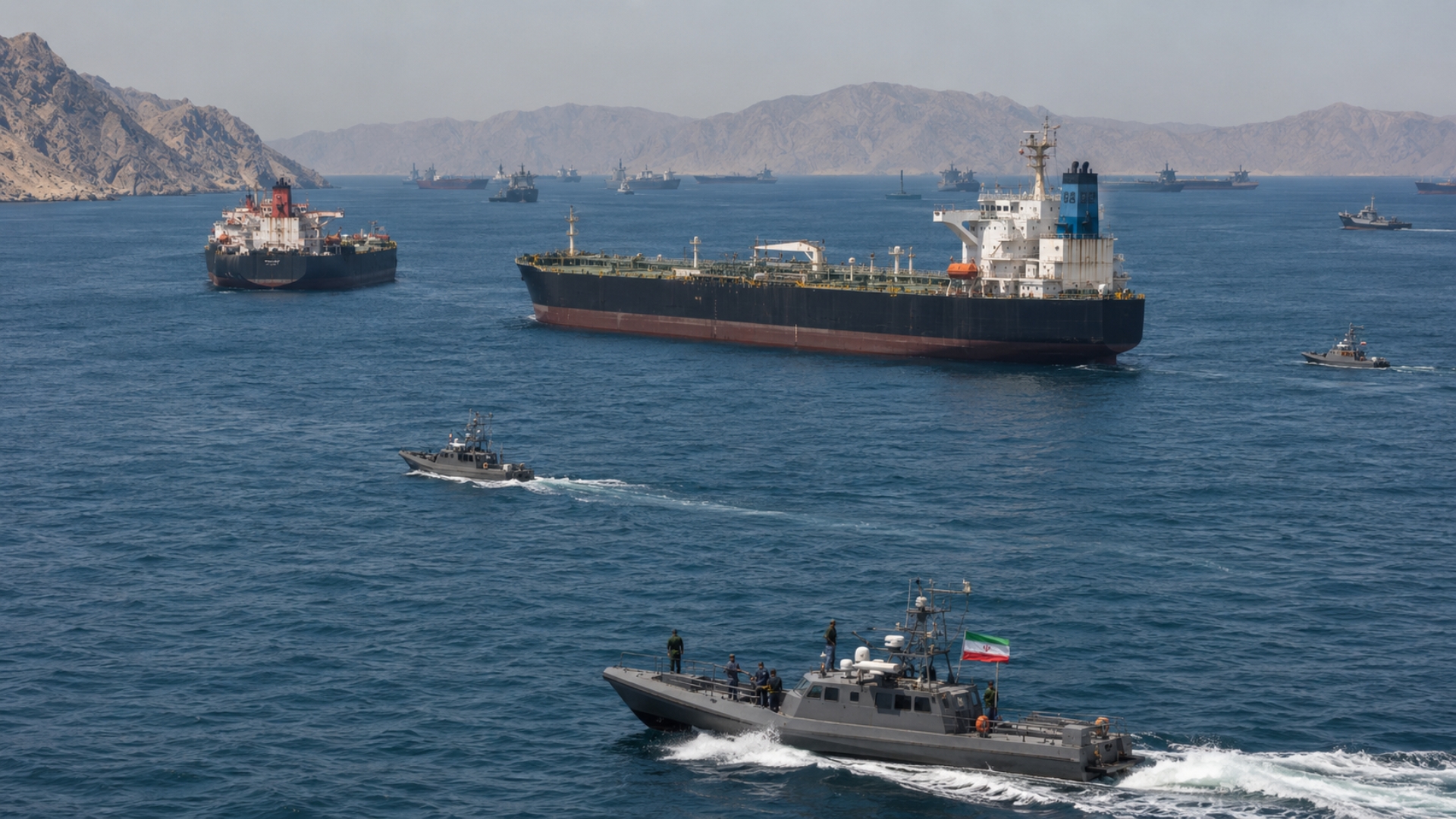
Iran's Strategic Shift in the Strait of Hormuz
Iran is redefining the dynamics of the Strait of Hormuz, transforming it from a traditional open shipping lane into a managed waterway. According to recent reports, Tehran has implemented a new mechanism to regulate vessel transit and has issued a revised map that expands its control over the area. This move signals a significant shift in how the region is being governed, creating a new wartime reality.
Instead of completely closing the strait, Iran is enforcing conditional access. This approach allows the country to exert pressure on the global economy without fully disrupting maritime traffic. By doing so, Iran gains more leverage and flexibility in its strategic positioning. This strategy reflects a calculated effort to maintain influence while avoiding total isolation.
Selective Access as a Diplomatic Tool
The Iranian strategy involves selective access, where certain vessels are permitted to pass under specific conditions. Reuters reported that after discussions with China’s foreign minister and ambassador, some Chinese ships were allowed to transit through the strait under an understanding of Iranian "management protocols." A Chinese supertanker carrying Iraqi crude was able to navigate through the strait after being stranded for over two months.
This suggests that Iran is using passage rights as a diplomatic instrument. Ships from countries deemed strategically important or neutral may be granted access, while others face increased risks. As a result, the Strait of Hormuz is evolving from an international commons into a corridor governed by Iranian terms. This selective approach highlights the complex interplay between diplomacy and maritime control.
Coercion and Uncertainty in Maritime Rules
The new maritime order is not solely based on permission; it also incorporates elements of coercion. Reports indicate that a vessel off the UAE coast was seized and taken toward Iranian waters, while another ship was attacked and sank near Oman. Additionally, Iranian officials have claimed the right to seize oil tankers connected to the United States.
This uncertainty is a key component of Iran’s strategy. The threat of detention, diversion, or attack increases the cost of transit for all ships, even those that are not directly targeted. In this sense, the new rules are not just administrative but also military, political, and psychological. This multifaceted approach underscores the broader implications of Iran’s actions.
Great-Power Diplomacy and Maritime Access
Maritime access in the Strait of Hormuz is now intertwined with great-power diplomacy. Reuters reported that former President Trump and President Xi Jinping agreed that the strait must remain open for the free flow of energy. The White House has reiterated this stance as new shipping incidents occur. However, Reuters also noted that some Chinese-linked vessels are already passing through under special Iranian arrangements.
This development illustrates that access to Hormuz is no longer merely a shipping issue but a test of influence among major powers. Iran is demonstrating that even when global leaders advocate for an open strait, it still holds significant control over its operation. This dynamic is reshaping the geopolitical landscape in the region.
What Comes Next?
The next phase of this situation hinges on whether the selective-access system becomes a lasting maritime order or begins to unravel under pressure. Current reports suggest that Iran is allowing some ships through while restricting others, using the strait as both a bargaining chip and a battlefield.
For now, the most evident takeaway is that the maritime rules in the Strait of Hormuz have fundamentally changed. Freedom of navigation is no longer the default condition. Instead, passage now depends on power, diplomacy, and Iranian approval. This shift is shaping the next phase of the Iran-US-Israel conflict, with far-reaching implications for regional stability and global trade.

Post a Comment for "New Maritime Rules Redefine Iran-US-Israel Conflict"
Post a Comment