
NAACP Leader Warns White Candidates Against Filling Vacant Mayor's Post
Political Tensions in Charlotte Amid Mayor's Resignation
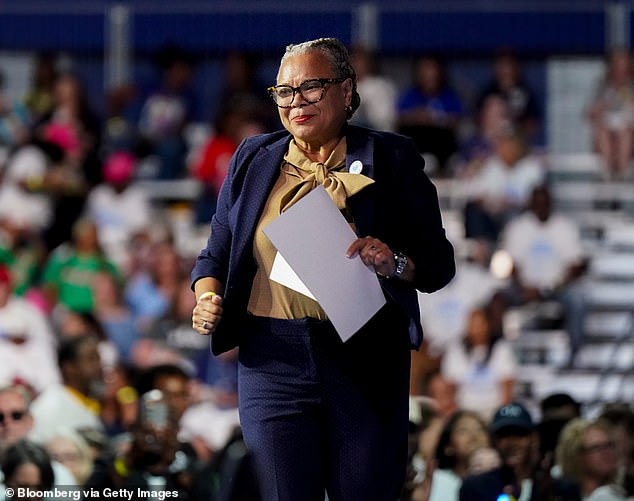
The political landscape in Charlotte, North Carolina, is currently under intense scrutiny following the unexpected resignation of Mayor Vi Lyles. Lyles, a Black woman and registered Democrat, announced her decision to step down from her position halfway through her term, with June 30 marked as her final day in office. Her departure has raised numerous questions about the reasons behind her sudden exit, with many pointing to the backlash over her handling of the stabbing of Ukrainian refugee Iryna Zarutska on a tram in the city.
The NAACP’s Stance on Representation
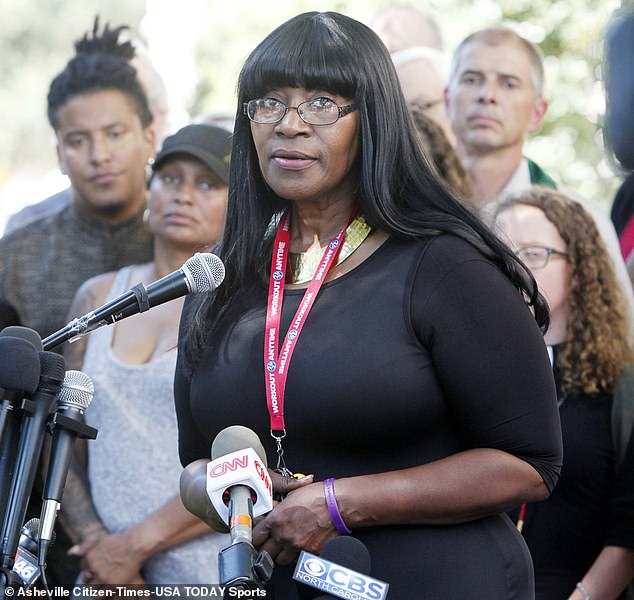
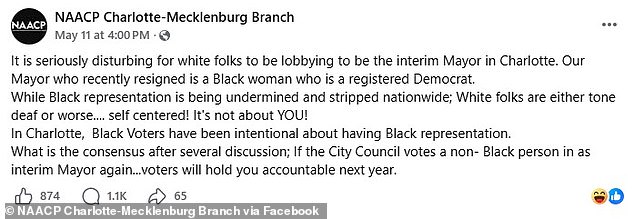
The North Carolina NAACP has taken a strong stance in support of its local chapter president, Corine Mack, who criticized the idea of a white politician replacing Lyles as the interim mayor. Mack expressed her concern, stating that it would be "seriously disturbing" for a white person to take the spot of the outgoing Black mayor. She emphasized the importance of Black representation and warned that voters would hold accountable any decisions that undermine this representation.
"The NAACP evaluates leadership by actions, policies, and results, not by personal identity," said North Carolina NAACP President Deborah Maxwell. She added that what matters is whether decisions made by those in power strengthen or harm the lived experiences of Black residents.
Racial Tensions and Public Reaction
Mack's comments have sparked a broader conversation about race and representation in Charlotte. She argued that Black voters have been intentional about ensuring representation by a Black official and warned that voters would act if that changed. "If the City Council votes a non-black person in as interim Mayor again... voters will hold you accountable next year," she wrote.
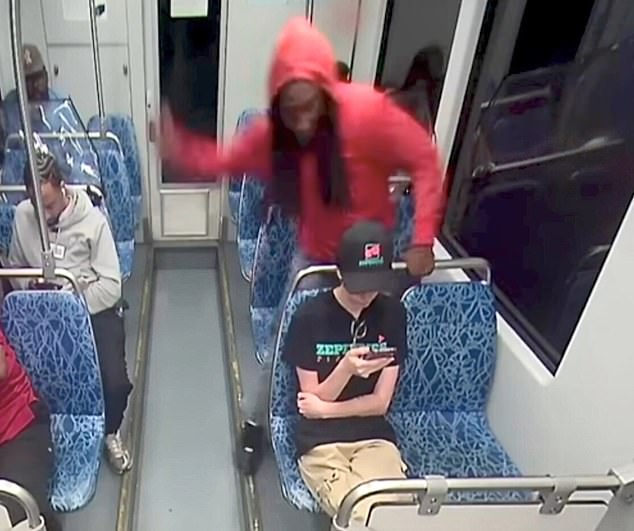
Charlotte's population is diverse, with 39 percent white, 33 percent Black, and 17 percent Latino. The city has been mired in racial tensions since the murder of Iryna Zarutska on a LYNX tram last August. The Ukrainian refugee was filmed having her throat cut by a man prosecutors say is serial criminal Decarlos Dejuan Brown Jr. Brown, who was charged with murder, was free on cashless bail at the time of the incident.
Mayor Lyles sparked anger in the aftermath by saying "unhoused" people like Brown "are more frequently the victims of crimes and not the perpetrators." This statement led to significant criticism and further fueled the ongoing debate about race, justice, and representation in the city.
Controversial Remarks and Public Outcry
Mack's remarks have drawn both support and criticism. She doubled down on her controversial statements, questioning why the city would replace a Black outgoing mayor with a white person. "Why would we replace the Black outgoing mayor with a White person? That simple," she said.
She also claimed that some white people were outraged about the fact that Black representation is under attack. "My question for the white folks who, up in arms and outraged, are they outraged about the fact that Black representation is under attack?" she added.
On her personal Facebook page, Mack argued that the outrage was driven by opposition to "any Black person who dares to have an independent thought and opinion." She noted that on the NAACP Charlotte-Mecklenburg Branch page, white people were losing their minds in defense of Charlotte having the right to have a White Mayor.
Ongoing Debates and Future Implications
As the city prepares for the interim mayor selection, the debate over representation and racial equity continues to dominate public discourse. The NAACP's commitment to advancing equity, justice, and accountability for Black communities remains a central focus. "Black communities deserve leadership that listens, delivers results, and helps close long-standing gaps in opportunity," Maxwell stated.
Mack closed her rant by declaring she was "praying for this country" while claiming white people continue "to play the victim." "Poor things! White people created race and racism. But, they continue to play the victim and create fake narratives," she said. "Everything in this country is predicated on race... White people did that! I won't be silenced! In the meantime, I'm praying for this country."
Conclusion
The situation in Charlotte highlights the complex interplay between race, politics, and public perception. As the city navigates these challenges, the role of organizations like the NAACP in advocating for Black communities remains crucial. The upcoming interim mayor selection will likely be a focal point of continued debate and scrutiny, reflecting the broader societal issues at play.


Post a Comment for "NAACP Leader Warns White Candidates Against Filling Vacant Mayor's Post"
Post a Comment