
Martin Scorsese's 10 Must-Watch Movies
Martin Scorsese has made an indelible mark on the world of film. As a director, he has crafted countless masterpieces that have reshaped cinema for the better. Even some of his less successful films are considered essential viewing, showcasing the kind of artistry that any filmmaker would be proud to have in their portfolio. Beyond his own work, Scorsese has been a passionate advocate for film preservation, ensuring that countless movies from around the world have not been lost to obscurity. His contributions have made the cinematic landscape richer and more diverse.
Given his deep connection to the medium, it's no surprise that Scorsese has a collection of 10 all-time favorite films that reflect a wide range of genres, styles, and themes. These selections offer a glimpse into the vast possibilities of cinema and highlight the influences that have shaped his own directorial approach. Whether you're a casual moviegoer or a dedicated cinephile, these films are worth adding to your watchlist.
2001: A Space Odyssey
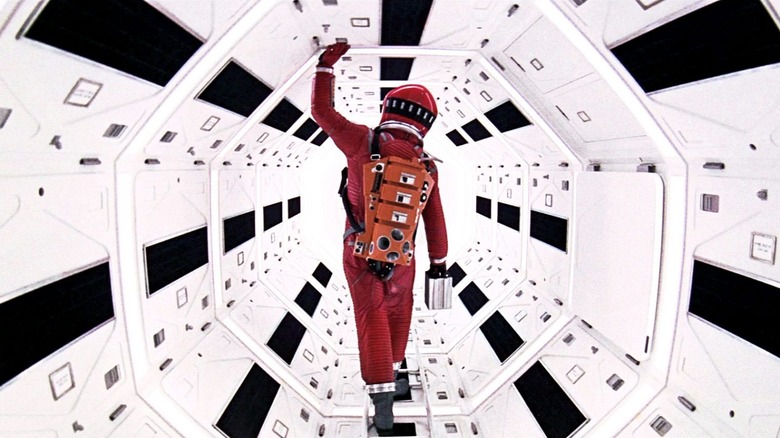
Most of Scorsese's top 10 films were released before 1960, which makes sense given that he was born in 1942. However, this doesn't mean he overlooks newer works. In fact, he has praised recent films like "I Saw the TV Glow" and "Pearl." Still, the most recent film on his list is "2001: A Space Odyssey," a 1968 release by Stanley Kubrick. This film remains a towering achievement in science fiction, exploring the scale of human existence against the vastness of the universe.
Kubrick's meticulous attention to detail and groundbreaking visual effects make "2001" a timeless masterpiece. The film's quiet yet expansive storytelling and its iconic imagery, such as the monolith and HAL 9000, continue to captivate audiences. It's no wonder that Scorsese, who appreciates quality filmmaking regardless of era, holds this film in such high regard.
8 1/2
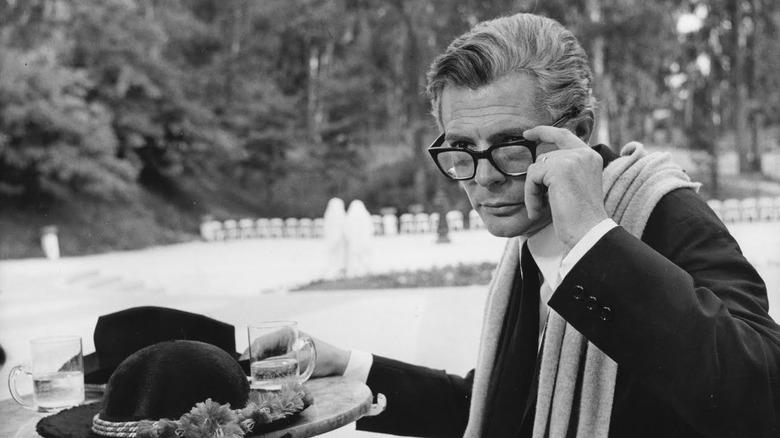
Scorsese once referred to Federico Fellini as "The Maestro," a title that reflects his deep admiration for the Italian director. Among Fellini's many works, "8 1/2" stands out as a personal touchstone for Scorsese. The 1963 film follows a filmmaker named Guido Anselmi, who grapples with creative stagnation and the pressures of his past. Its surreal narrative and innovative cinematography have had a lasting impact on Scorsese's own work.
Scorsese has often cited "8 1/2" as a source of inspiration, particularly in films like "The Last Temptation of Christ" and "Killers of the Flower Moon." The film's blend of introspection and visual creativity resonates deeply with Scorsese's approach to storytelling.
Ashes and Diamonds
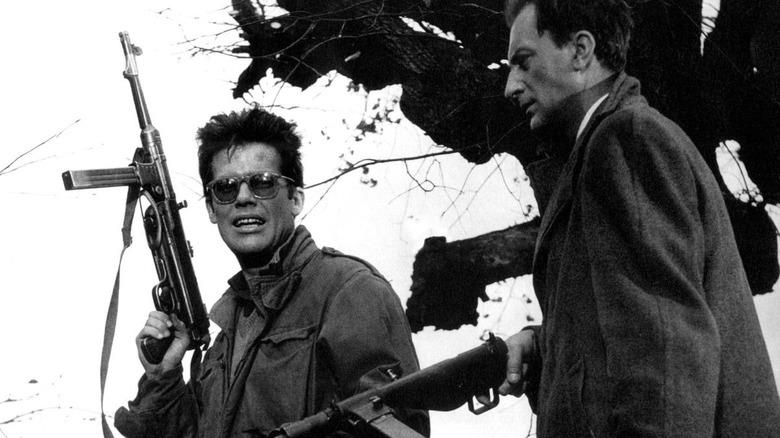
Set in post-World War II Poland, "Ashes and Diamonds" by Andrzej Wajda is a powerful depiction of the country's turbulent history. The film explores the continued violence and political unrest that followed the war, highlighting the struggles of ordinary people caught in the crossfire. Despite its controversial reception in its home country, the film has endured as a masterpiece.
Scorsese has shown a long-term commitment to "Ashes and Diamonds," even introducing public screenings as recently as 2025. Its unflinching portrayal of historical trauma aligns with Scorsese's own fascination with the gritty realities of life.
Citizen Kane

Orson Welles' debut film, "Citizen Kane," is widely regarded as one of the greatest films ever made. It redefined American cinema with its innovative storytelling and visual techniques. For Scorsese, the film represents a benchmark for cinematic excellence and has influenced his exploration of complex characters.
The film's themes of power, identity, and vulnerability resonate with Scorsese's own work, particularly in films like "The Last Temptation of Christ" and "The Wolf of Wall Street." "Citizen Kane" continues to inspire filmmakers and remains a cornerstone of cinematic history.
Diary of a Country Priest
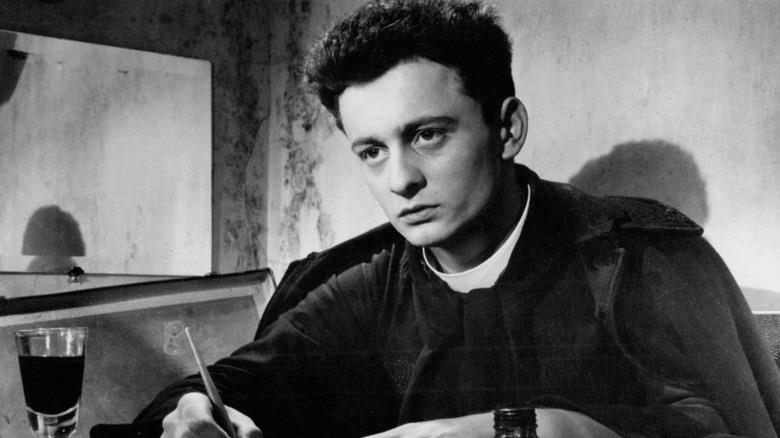
Robert Bresson's "Diary of a Country Priest" is a stark and emotionally intense film that delves into the spiritual struggles of a young priest. The film's bleak portrayal of suffering and isolation has left a lasting impression on Scorsese, influencing his own work, including "Silence."
Bresson's minimalist style and focus on the human condition have made "Diary of a Country Priest" a significant influence on Scorsese's approach to storytelling. The film's emotional depth and visual restraint continue to captivate audiences.
Ikiru
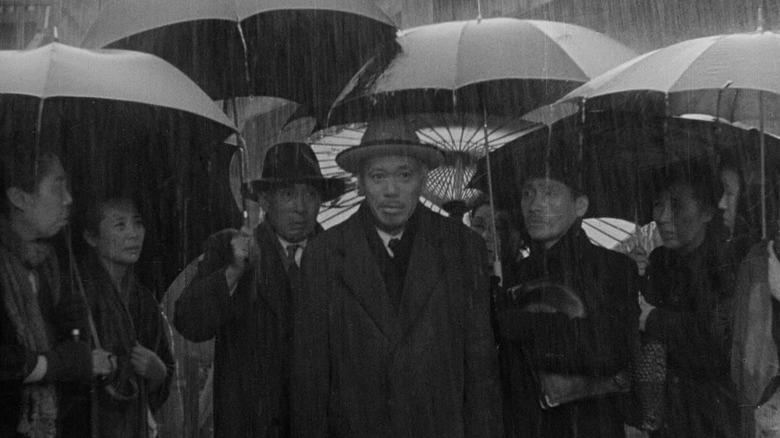
Akira Kurosawa's "Ikiru" is a moving and thought-provoking film that explores the meaning of life and the choices we make. The story of a man facing death and seeking purpose resonates deeply with viewers. Scorsese has praised the film for its emotional power and artistic merit.
Takashi Shimura's performance in "Ikiru" is nothing short of extraordinary, capturing the essence of human vulnerability and resilience. The film's impact on Scorsese is evident in his own work, where themes of mortality and purpose are frequently explored.
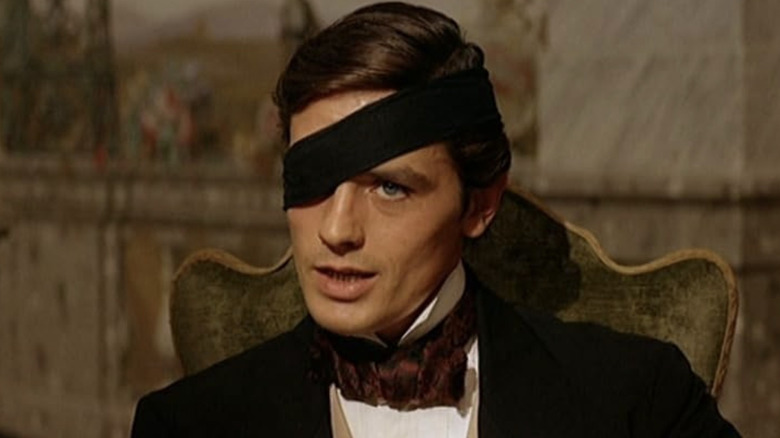
The Leopard
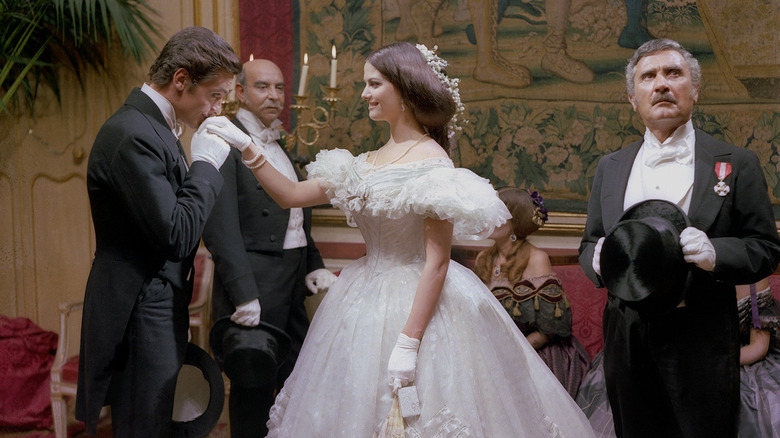
Luchino Visconti's "The Leopard" is a richly detailed epic set in 19th-century Italy. The film's grand scale and intricate storytelling have made it a favorite of Scorsese, who oversaw its restoration for a 2010 Cannes premiere. The film's attention to historical detail and its exploration of social change have influenced Scorsese's own epic narratives.
"The Leopard" remains a landmark in Italian cinema and a testament to Visconti's mastery. Its influence can be seen in Scorsese's works, which often feature sweeping narratives and meticulous production design.
Ordet
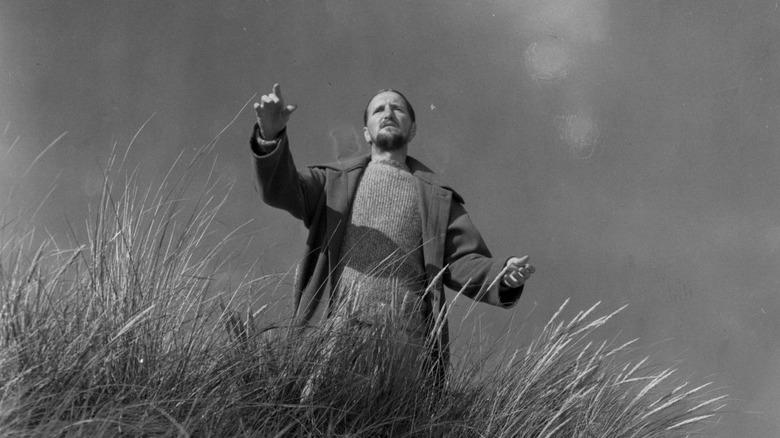
Carl Theodor Dreyer's "Ordet" is a profound exploration of faith and family dynamics. The film's nuanced portrayal of religious beliefs and personal struggles has resonated with Scorsese, who has often incorporated theological themes into his work.
The film's restrained camerawork and authentic performances create a powerful and immersive experience. "Ordet" exemplifies the depth and complexity of religious cinema, making it a significant influence on Scorsese's own storytelling.
Paisan
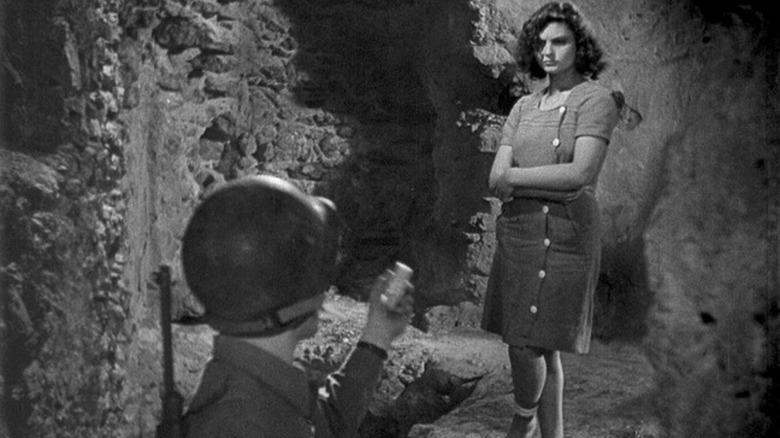
Roberto Rossellini's "Paisan" is a poignant depiction of life during World War II. The film's focus on the everyday lives of ordinary people and its use of real locations and non-professional actors have made it a seminal work in neorealism. Scorsese has cited "Paisan" as a pivotal influence on his decision to pursue a career in filmmaking.
The film's raw authenticity and emotional depth continue to inspire filmmakers. Its impact on Scorsese is evident in his own work, which often explores the complexities of human experience.
The Red Shoes
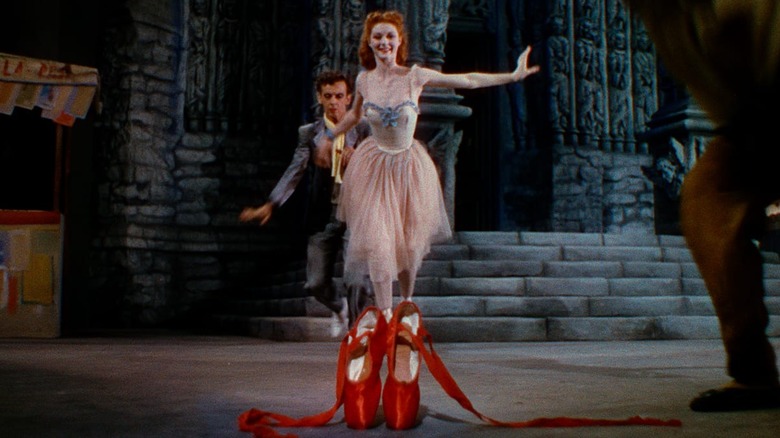
Michael Powell and Emeric Pressburger's "The Red Shoes" is a visually stunning musical that showcases the artistry of the duo. The film's vibrant color palette and breathtaking dance sequences have made it a classic. Scorsese, who narrated a documentary about the filmmakers, has expressed his admiration for their work.
"The Red Shoes" remains a masterpiece of cinema, celebrated for its beauty and innovation. Its influence on Scorsese's own work is evident in his appreciation for visual storytelling and artistic expression.

Post a Comment for "Martin Scorsese's 10 Must-Watch Movies"
Post a Comment