
LIRR Workers Strike, Shutting Down Nation's Busiest Commuter Rail
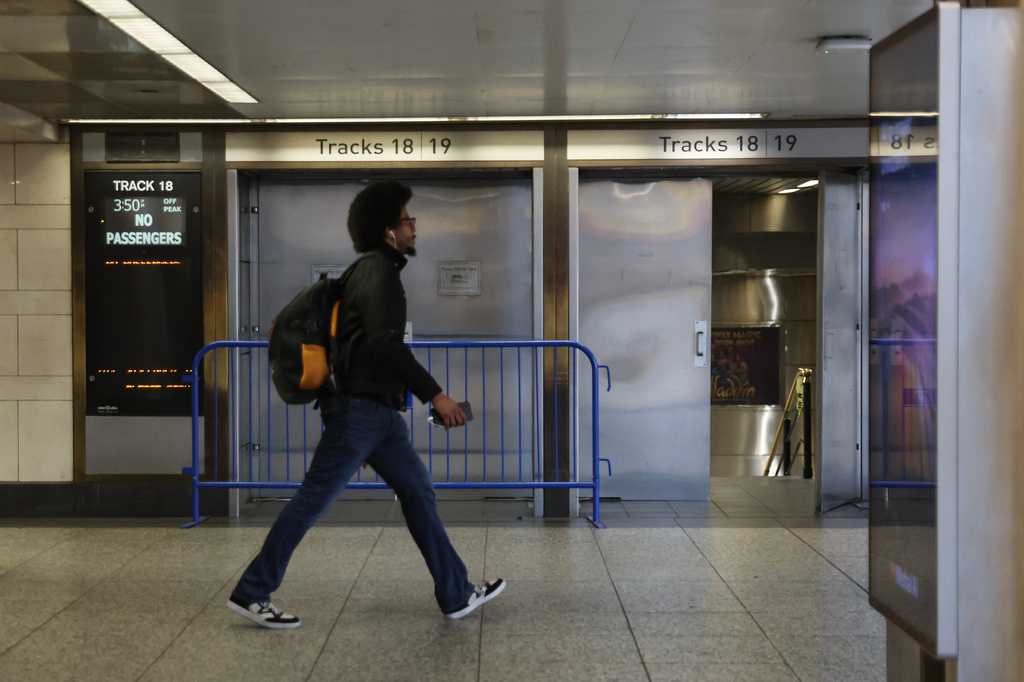
Workers on Long Island Rail Road Go on Strike
Workers on the Long Island Rail Road (LIRR) have gone on strike, according to union officials, causing a major disruption to the busiest commuter rail system in North America. The strike began early Saturday, following unsuccessful negotiations between labor unions and the Metropolitan Transportation Authority (MTA). The five unions involved represent approximately half of the LIRR's 7,000 workers, including locomotive engineers, machinists, and signalmen. These unions were not legally allowed to go on strike until 12:01 a.m. on Saturday.
Kevin Sexton, national vice president of the Brotherhood of Locomotive Engineers and Trainmen, stated that no new negotiations have been scheduled. “We’re far apart at this point,” Sexton said. “We are truly sorry that we are in this situation.”
Janno Lieber, chairman of the MTA, claimed that the agency had provided the unions with everything they requested in terms of pay. He suggested that the unions had always intended to walk out.
The strike is expected to affect around 250,000 daily commuters who rely on the LIRR to travel from Long Island suburbs into New York City. This will force many to seek alternative routes or work from home, potentially increasing traffic congestion on highways and extending commute times.
Rob Udle, an electrician who uses the LIRR five days a week, described the situation as a “nightmare.” He noted that the strike could also impact sports fans trying to attend games involving the New York Knicks, Yankees, and Mets.
Governor Kathy Hochul has encouraged LIRR riders to work from home during the strike. The MTA plans to offer free but limited shuttle buses during rush hours for essential workers. In a statement, Hochul criticized the union leadership, stating that commuters are facing unnecessary inconvenience and that union workers are being denied pay due to decisions made by a small group of leaders.
Dispute Over Wages
The dispute centers on wage increases and healthcare premiums. Both sides have not released specific details on their positions, but the unions had demanded a total raise of 16% over four years to keep up with inflation. The MTA argued that these demands could lead to fare hikes. Lieber mentioned that while the MTA met the pay demands, it asked for new hires at the LIRR to pay higher healthcare premiums to offset costs. The union rejected this proposal.
Commuters Brace for the Worst
Susanne Alberto, a personal trainer from Long Island, has already arranged virtual sessions with her clients in case of a shutdown. She believes the union has the upper hand and questions why the strike wasn’t resolved earlier.
Udle, an electrician and union member, plans to use his vacation days if the rail service shuts down. While he understands the unions’ concerns about affordability, he disagrees with their tactics. “They shouldn’t hold everybody hostage to do it. There’s a better way,” he said.
A temporary resolution was reached in September when President Donald Trump’s administration intervened in negotiations. However, those efforts ended without a deal, giving both sides 60 days to resolve their differences before the strike became legal.
The last LIRR strike occurred in 1994 for about two days. In contrast, workers on the New Jersey Transit system, which connects Manhattan to New Jersey, went on strike last year for three days.

Post a Comment for "LIRR Workers Strike, Shutting Down Nation's Busiest Commuter Rail"
Post a Comment