
Kandovan, Iran — 700-Year-Old Village Inside Volcanic Cones
The Enigmatic Village of Kandovan
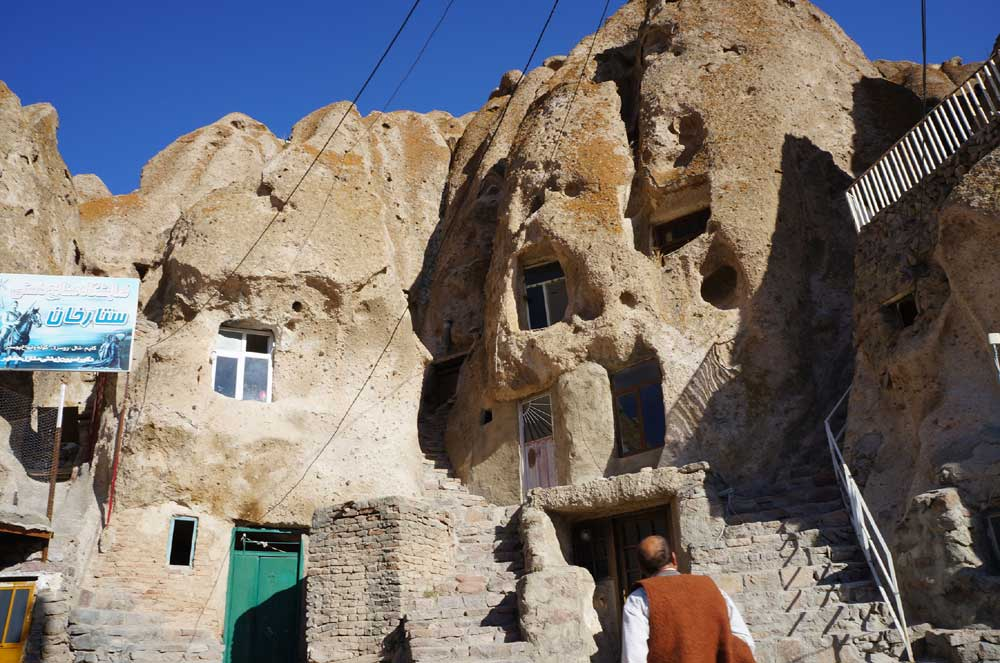
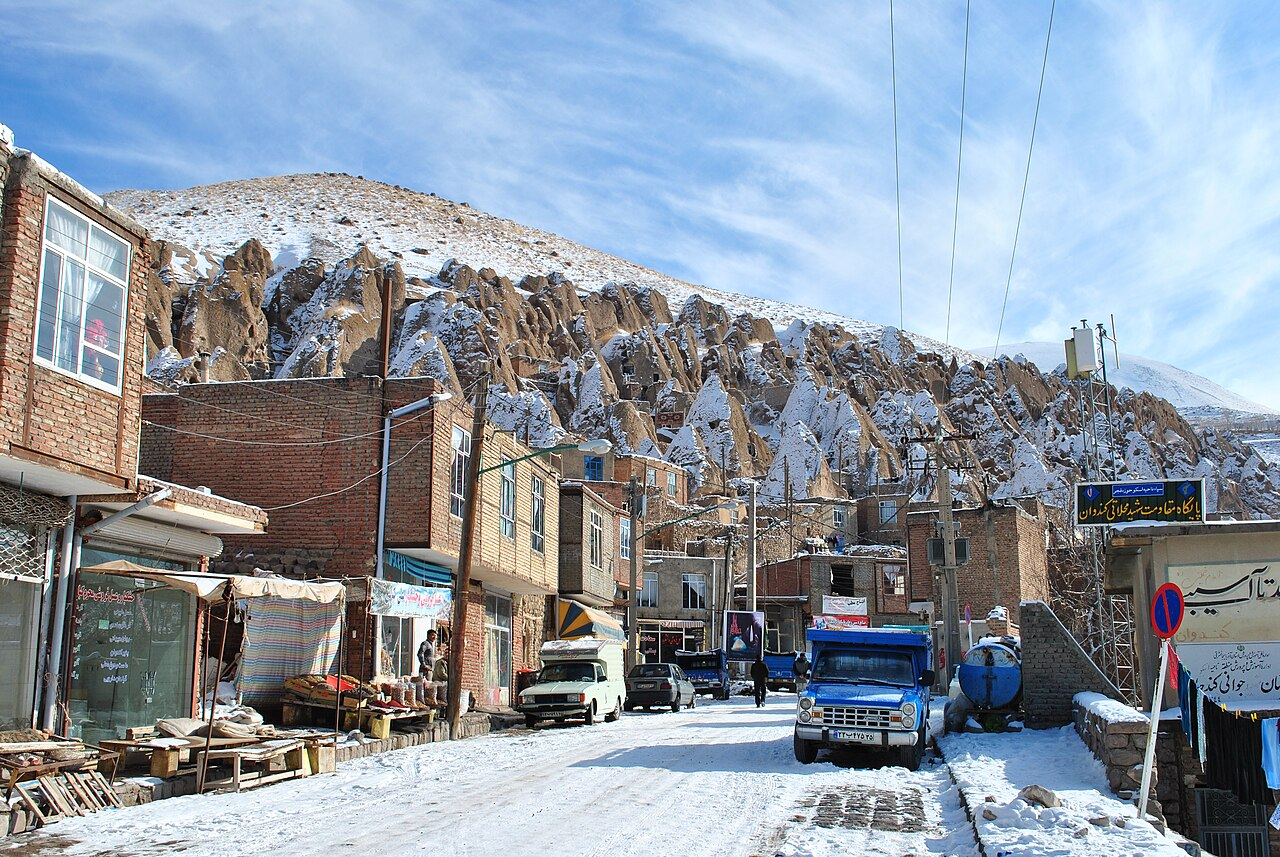
Nestled on the northwest slopes of Mount Sahand in Iran’s East Azerbaijan province lies a village that seems to have been sculpted by an artist with a unique sense of humor. Unlike traditional homes, the houses here are not built but carved directly into volcanic cones. Some of these structures tower up to 40 feet high, shaped over millennia by ancient eruptions and natural erosion. Approximately 600 people call this place home, living in these cone-shaped dwellings that have been continuously inhabited for at least 700 years.
Kandovan is one of only three "troglodyte" villages in the world that remain inhabited today — the others being Cappadocia in Turkey and a few cave villages in the American Southwest. What sets Kandovan apart is that it's not just a heritage site; it's a living community with shops, schools, and regular grocery deliveries. Residents live inside 11,000-year-old volcanic rock, blending modern life with ancient architecture.
Accessibility and Tourism Growth
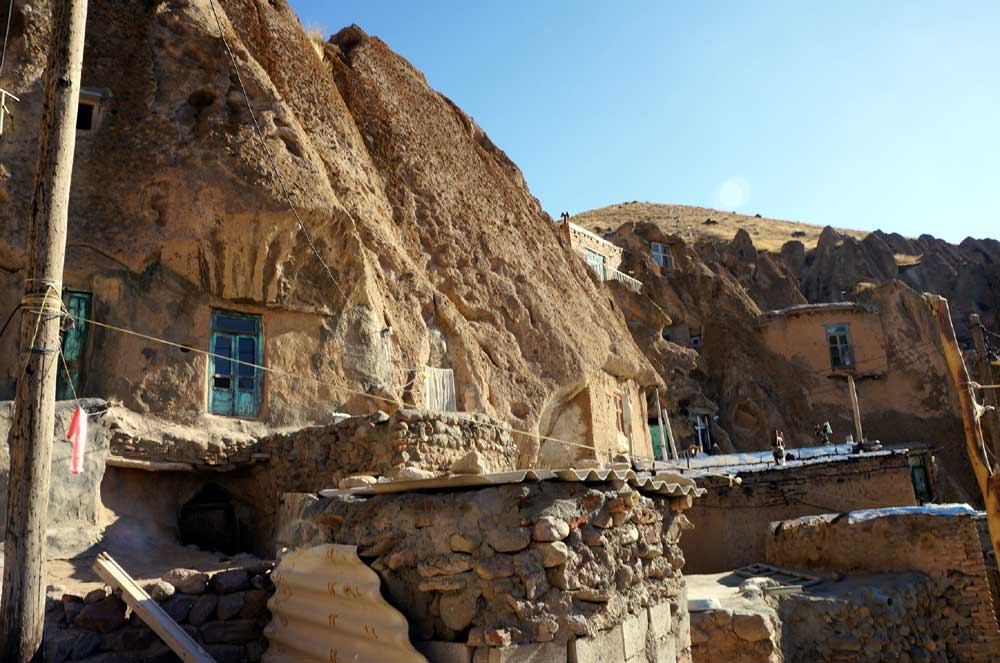
The village is located about 60 kilometers southwest of Tabriz, Iran’s fifth-largest city, and is accessible via a paved road through the foothills of Mount Sahand. Tourism began to increase significantly in the early 2000s, bringing both opportunities and challenges. The attention has helped sustain the village’s population while also altering its character.
The Geology Behind the Village
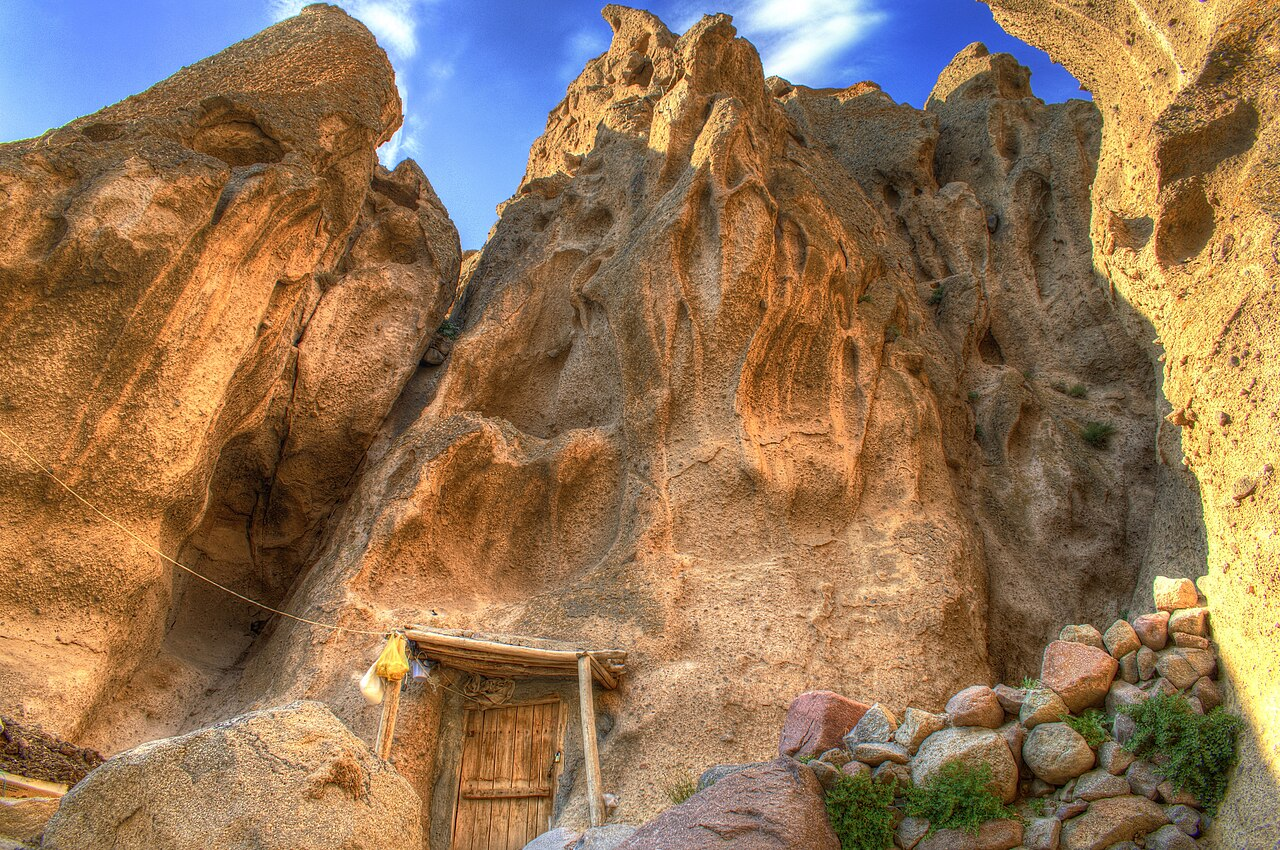
Mount Sahand is a stratovolcano that last erupted around 11,000 years ago, near the end of the last Ice Age. This eruption deposited vast amounts of volcanic ash across the area, which eventually hardened into tuff, a soft sedimentary rock. Over time, water and wind eroded this tuff into the cone shapes that define Kandovan. Tuff is unique because it is strong enough to support structures yet soft enough to be carved by hand with simple tools. This same geological process created the famous “fairy chimneys” of Cappadocia in Turkey, several hundred miles to the west.
The 13th-Century Settlers
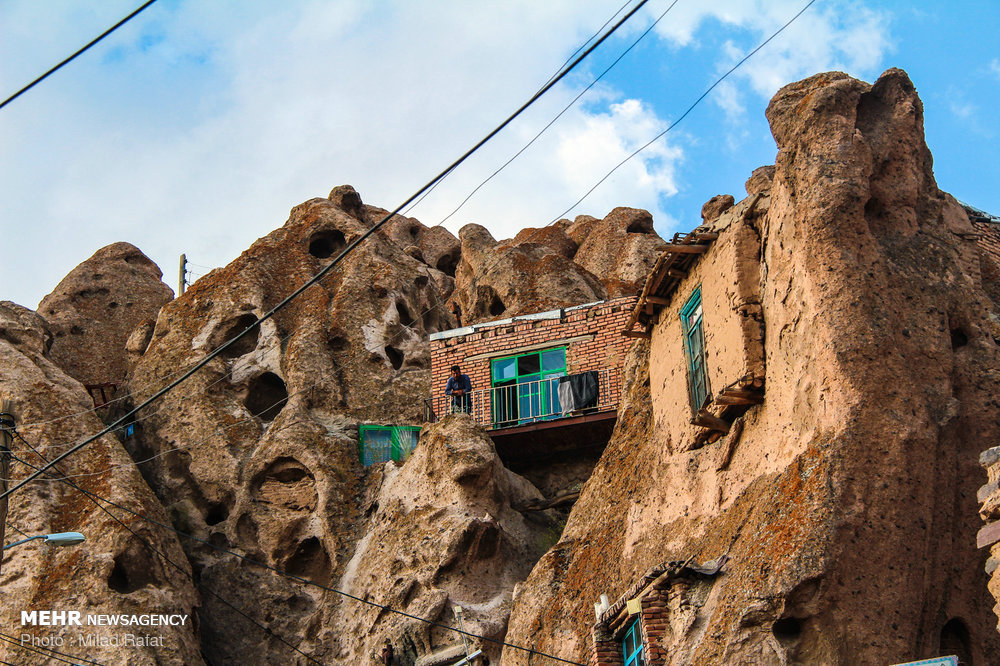
The current pattern of carved cone-houses is generally dated to the 13th century, though there is evidence of older use of the site. Local oral tradition suggests that the original settlers were refugees from the Mongol invasions of Iran in the 1220s and 1230s. They chose the cones for shelter and defense — the natural shape provided cover, elevation offered a vantage point, and the maze-like passages between the cones made navigation difficult for outsiders.
Whether or not the Mongol-refugee story is entirely accurate, the architectural layout has remained largely unchanged for centuries. Some families have lived in the same cone-houses for generations, adding or modifying rooms as their families grew.
Life Inside the Rock
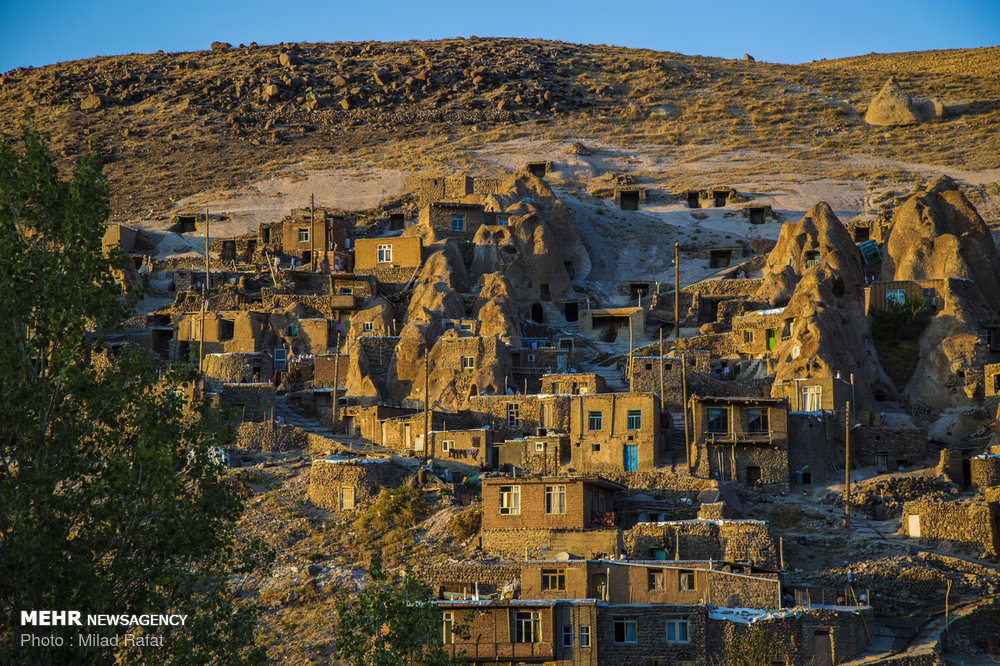
A typical Kandovan home spans multiple levels carved into a single cone. The ground floor was traditionally used for livestock during winter, providing warmth and protection. The next level housed kitchens and living areas, while upper levels contained sleeping quarters. Some larger cones had three or four levels connected by narrow internal staircases.
The interior climate of these homes is remarkably stable. Thick tuff walls, ranging from three to six feet in thickness, offer significant thermal mass. As a result, summer temperatures inside stay about 15-20 degrees Fahrenheit cooler than outside, while winter temperatures remain warmer. Combined with traditional heating and modern utilities, the cones provide comfortable living conditions in a region where winters can drop below freezing and summers exceed 100 degrees Fahrenheit.
Modern residents have added electricity, satellite TV, and indoor plumbing to the original carved spaces, creating a unique blend of medieval form and 21st-century convenience.
The Laleh Rocky Hotel and Tourism
In 2007, the Laleh Kandovan International Rocky Hotel opened, a five-star hotel carved into the village’s volcanic cones. While some residents welcomed the tourism revenue, others worried that turning the village into a luxury destination would change its character. A compromise allowed the hotel to operate but restricted further commercial conversion of cone-houses.
The Laleh remains the only Western-style hotel within the village itself. Other accommodations are found in guesthouses outside the cone cluster or in nearby Tabriz.
Visiting Kandovan
To reach Kandovan from outside Iran, travelers need an Iranian tourist visa and must travel overland from Tabriz. From Tabriz, the village is approximately 60 kilometers away, reachable by car in about 90 minutes. There is no train service to Kandovan itself, but Tabriz is served by Tabriz International Airport, which offers connections to Tehran and some Middle Eastern hubs.
Once inside the village, visitors typically walk, as the carved passages between the cones are too narrow for vehicles. Photography is generally allowed, but tourists are encouraged to ask for permission before photographing families, a practice emphasized by local travel guides.
The Preservation Challenge Ahead
For centuries, two factors have preserved Kandovan: the durable nature of the tuff and the continuous human occupation. However, the village now faces new challenges due to increased attention. Heavy tourist traffic, vibrations from nearby road construction, changes in precipitation caused by climate change, and the loss of traditional maintenance knowledge as younger residents move to cities like Tabriz and Tehran all threaten the village’s future.
With proper care, the cones will endure for many more centuries. Whether they will continue to be lived in by families with children running through the carved passages depends on the decisions made by Iranian heritage authorities and the village’s residents.

Post a Comment for "Kandovan, Iran — 700-Year-Old Village Inside Volcanic Cones"
Post a Comment