
How to Keep Cucumbers Crisp Longer
No one likes a soggy cucumber.
Fresh, bright, and vegetal, with a clean, mild flavor and subtle sweetness, cucumbers are extremely versatile and lend themselves well to a wide range of dishes. From raw to cooked, savory to sweet, and beverages dry or spiked, cucumbers go a long way. Their refreshing nature makes them a star in the summer, but a crudité plate any time of year is bound to see some of these seedy wonders, thanks to their consistent availability and dippable goodness.
If you've ever grown cucumbers at home, you know that not only are these long, cylindrical fruits one of the easiest things to grow, but they're also abundant. Homegrown cucumbers will inevitably come out of your ears at some point, so a little brush-up on how to keep them fresh for as long as possible is a solid idea.
How Long Do Cucumbers Last?
- In the fridge: 4 to 6 days (unwrapped), but up to 2 weeks
- Room temperature on the counter: up to 7 days (if out of the sun)
- In the freezer: 6 months to 1 year
Do Cucumbers Last Longer in the Fridge or on the Counter?
Keeping cucumbers fresh is about keeping moisture in and rot out—a difficult and delicate balance. Because no matter what you do, the fact remains that a cucumber's wet, soft interior makes it a magnet for spoilage.
The fridge is your friend when it comes to combating spoilage, so keep your cucumber tucked away in this cool environment. The counter isn't a bad idea, but the fridge will earn you a few extra days.
How To Store Cucumbers So They Stay Crisp
When it comes to keeping cucumbers in the crisp state we all love, the longer they stay whole, the better. Once you cut them, you're really on a time limit.
Your first thought likely is to place cucumbers in a crisper drawer. And though this is a good idea, an even better way to store them is in a plastic or beeswax wrap to provide a bit of a moisture barrier (or an airtight skin). Place cucumbers in an airtight container on a shelf—there's a reason some thin-skinned varieties like English cucumbers are sold this way. Storing them this way will work for a week.
Cucumbers are sensitive to ethylene gas released by nearby fruits or vegetables, and wrapping helps protect them from it. (If you do opt for the crisper, please open the vents.)
The best option, however, is to seal your wrapped cucumber in a resealable plastic bag and store it in the fridge door. Don't have plastic wrap? Use a paper towel. It'll help wick away surface moisture. A cucumber bodes well in the cooler fridge environment, but it's still a fragile little thing. The back of the fridge is the worst place it could be, where the extra cold temps could freeze it, and the bottom of the crisper drawer could cause little soft, bruised, and/or partially frozen bits, called a "chilling injury."
If you're especially worried you won't utilize your cucumber stash in time (hey home-growers), consider pickling. The brine will keep your bounty crisp and delicious for months.
How to Store Sliced Cucumbers
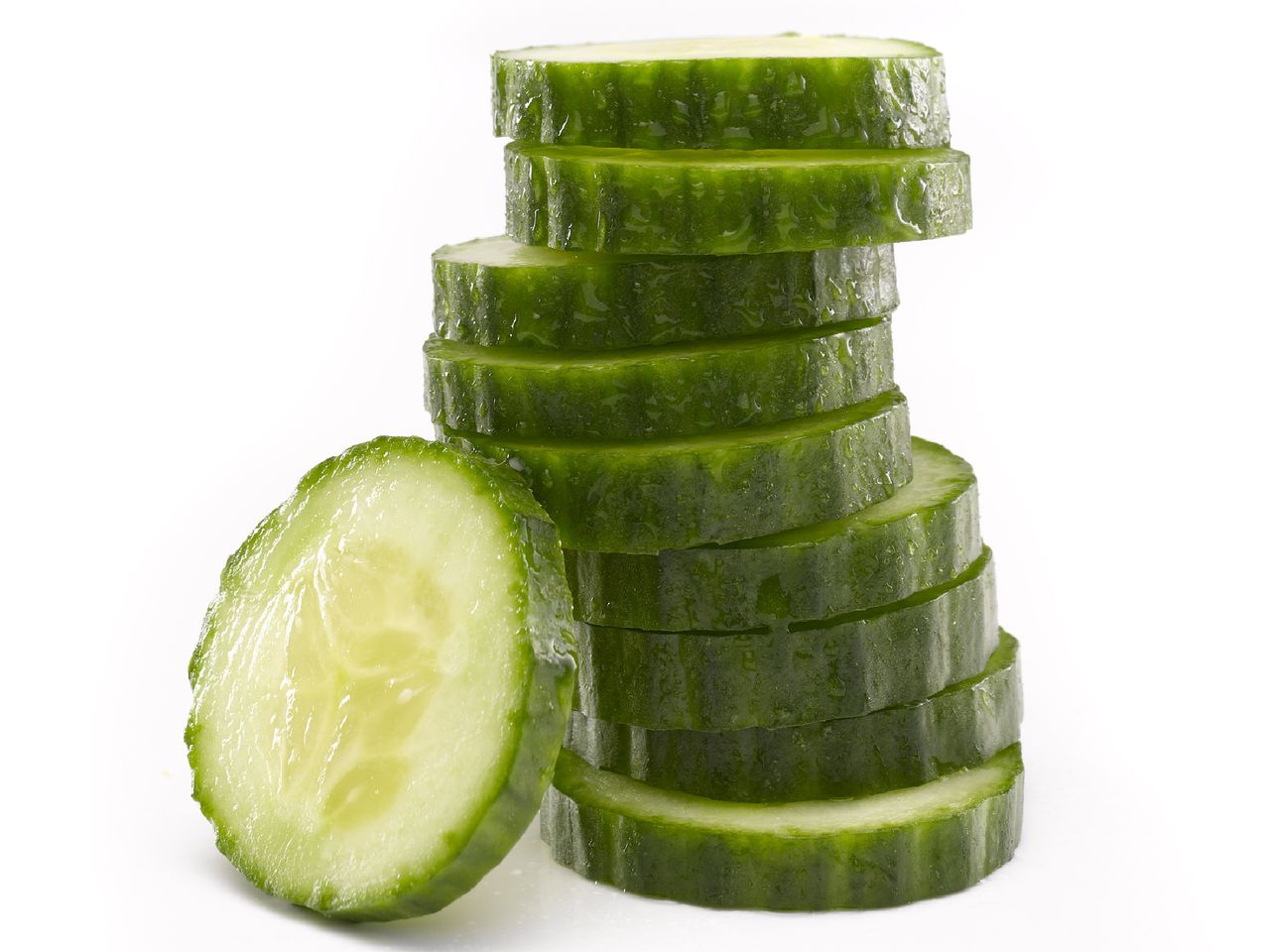
When it comes to these little gourds, the best practice is to cut only what you need at a time. It's much easier to preserve half a cucumber than it is to preserve slices. Just wrap the cut end in plastic or a beeswax wrap and put it back in the fridge.
If you're eating your sliced cucumbers the same day, storing them in a plastic bag is fine. If not, wrap the slices in a paper towel and place them in an airtight container. Doing this will do the trick for up to 5 days, but more likely 2 to 3. Keeping that moisture in is the most important.
You can also place pre-cut slices in a container of water, but that will likely suck out most of the flavor. They will stay crisp, but since a cucumber is already mostly water, you're not doing it any favors.
How To Freeze Cucumbers
You can freeze cucumbers, peeled or unpeeled; it's entirely up to you. But no matter what you decide, slice them first. Line them up on a parchment-lined baking sheet and place the sheet in the freezer. Once frozen, transfer the slices to a resealable plastic freezer bag or freezer-safe container. The cucumbers may expand while frozen, so don't pack them in too tightly.
Cucumbers have a high water content (96 percent, to be exact), which makes freezing easy but also means they may be a bit mushy when they thaw.
Thawed frozen cucumbers are best for smoothies or drinks, or even a chilled soup like gazpacho, because their texture and taste inevitably change upon thawing.

Post a Comment for "How to Keep Cucumbers Crisp Longer"
Post a Comment