
Geologists discover mysterious 'elephant skin' rocks that could rewrite life's history
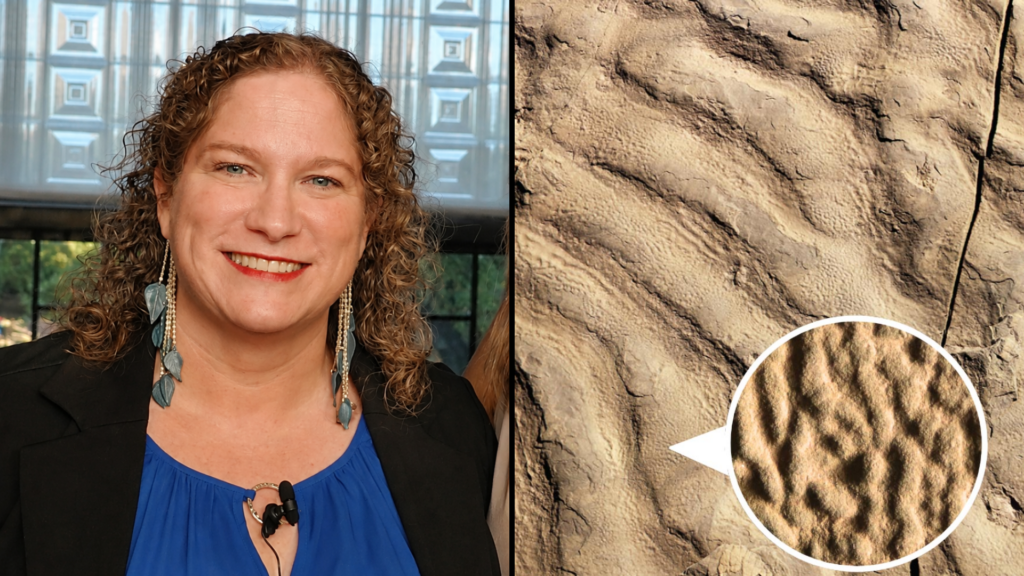
A strange wrinkled rock surface discovered on a Moroccan hillside may be forcing scientists to rethink where ancient life first thrived. The formations looked uncannily like cracked elephant skin, but the real shock came after researchers realized the rocks formed nearly 600 feet below the ocean’s surface. That finding challenged decades of scientific assumptions about early microbial ecosystems. What began as a curious field observation quickly turned into a discovery with major implications for Earth’s history.
Geologist Rowan Martindale from The University of Texas at Austin first spotted the unusual texture during a 2016 expedition. “These aren't supposed to be in rocks like this,” she recalled after recognizing patterns linked to fossilized microbial mats. Scientists have long associated these wrinkled formations with shallow, sunlit waters where microbes could survive using photosynthesis. Yet the Moroccan rocks came from a deep marine environment, a setting previously considered unlikely for these ancient communities to flourish.
The rocks date back more than 180 million years to the Early Jurassic period, when oceans teemed with evolving marine life. Researchers initially considered whether underwater landslides had simply distorted the sediment into wrinkles. Martindale, however, believed the textures carried the unmistakable fingerprint of living organisms. That stubborn suspicion pushed scientists toward a bold new explanation, one suggesting that life in Earth’s ancient oceans may have depended less on sunlight than previously believed.
A Hidden Ecosystem Beneath the Ancient Sea
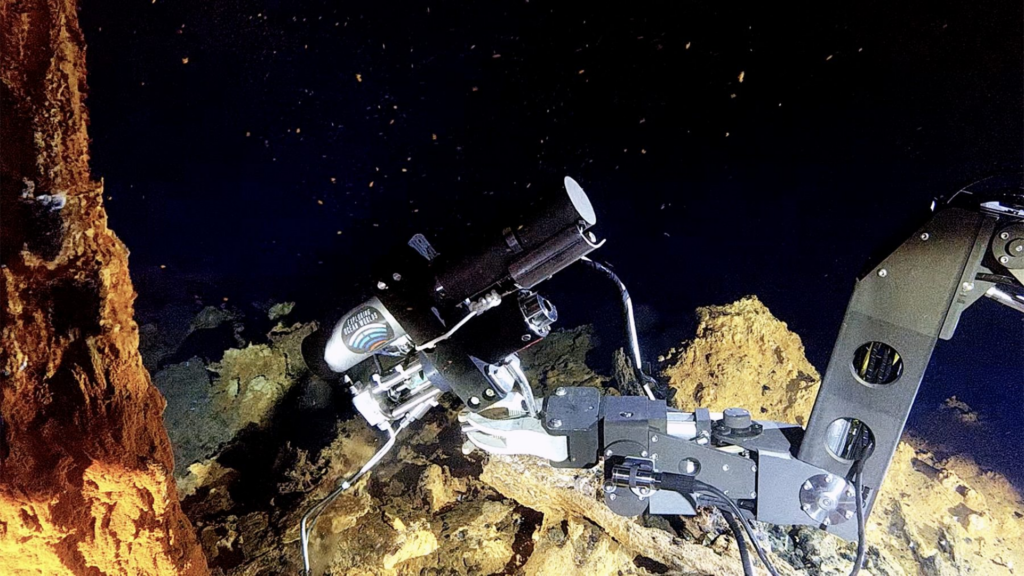
In a recent study published in Geology, researchers proposed that underwater landslides may have fueled deep-sea microbial growth instead of creating the wrinkles themselves. According to the team, these slides likely dumped nutrients and chemicals onto the seafloor, feeding dense microbial colonies. Unlike shallow-water organisms powered by sunlight, these microbes may have survived through chemosynthesis, drawing energy from chemical reactions in the dark ocean. That possibility dramatically expands where scientists think early ecosystems could exist.
The theory gains support from modern deep-ocean environments, where microbial communities thrive far from sunlight. Some of today’s most active microbial mats form around whale carcasses resting on the seafloor, feeding on chemical-rich compounds released during decomposition. Jake Bailey, a University of Minnesota professor not involved in the study, said the discovery suggests ancient rocks may preserve evidence of similar dark-ocean ecosystems. In other words, life may have adapted to hostile environments far earlier than scientists once assumed.
Researchers also suspect toxic sulfur compounds may have protected these ancient microbial mats from larger marine animals. That chemical barrier could explain how the wrinkled structures survived long enough to fossilize. The idea introduces a new way of interpreting ancient sedimentary rocks that geologists may have overlooked for decades. If Martindale’s team is correct, many supposed geological formations around the world could actually be traces of forgotten microbial communities hiding in plain sight.
The Discovery That Could Change the Fossil Record
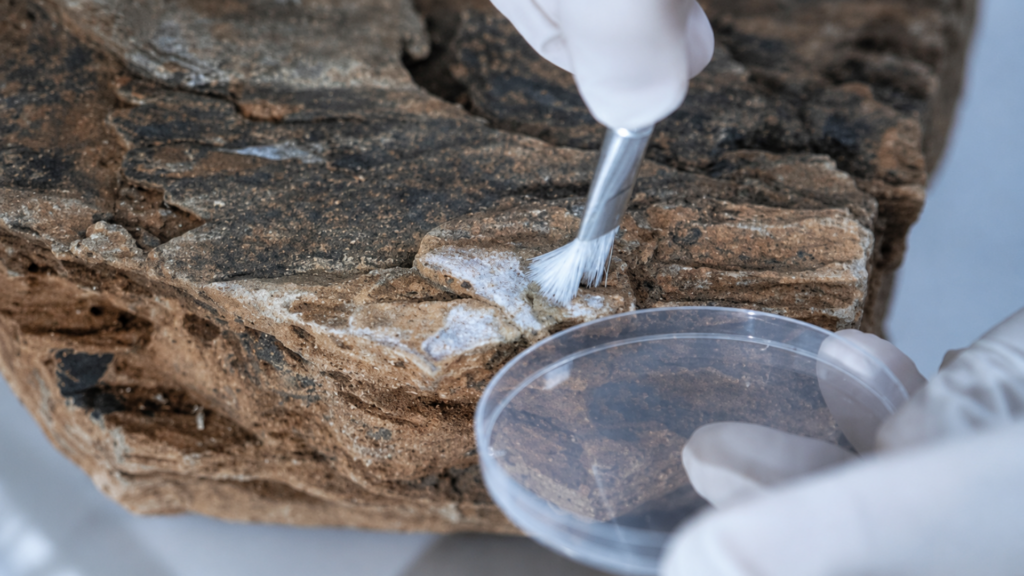
The biggest impact of the discovery may lie in how scientists read Earth’s fossil record. For years, wrinkled rock textures found in deep-water environments were usually dismissed as the result of physical forces like shifting sediment. Martindale’s findings suggest some of those formations may instead preserve biological activity. That distinction matters because it could reveal a much wider distribution of ancient life, including ecosystems that survived in darkness using chemical energy rather than sunlight.
Part of the problem, according to Martindale, comes down to scientific language. Researchers often describe rock textures using vague terms such as “wrinkly,” which can blur the line between biological and geological origins. Without clearer definitions, important microbial fossils may have gone unnoticed for decades. The Moroccan rocks highlight how subtle details can reshape scientific understanding, especially when long-held assumptions influence how evidence is interpreted in the field and laboratory.
The discovery also underscores how accidental moments can redirect scientific careers. Martindale typically studies ancient coral reefs and mass extinctions, not deep-sea microbes. Yet one strange rock pattern refused to leave her mind. “It was just being in the right place at the right time,” she explained, describing the persistence that drove the research forward. That curiosity eventually opened a window into an ancient world scientists barely realized existed beneath the prehistoric ocean.
What the “Elephant Skin” Rocks Could Mean for Life Beyond Earth
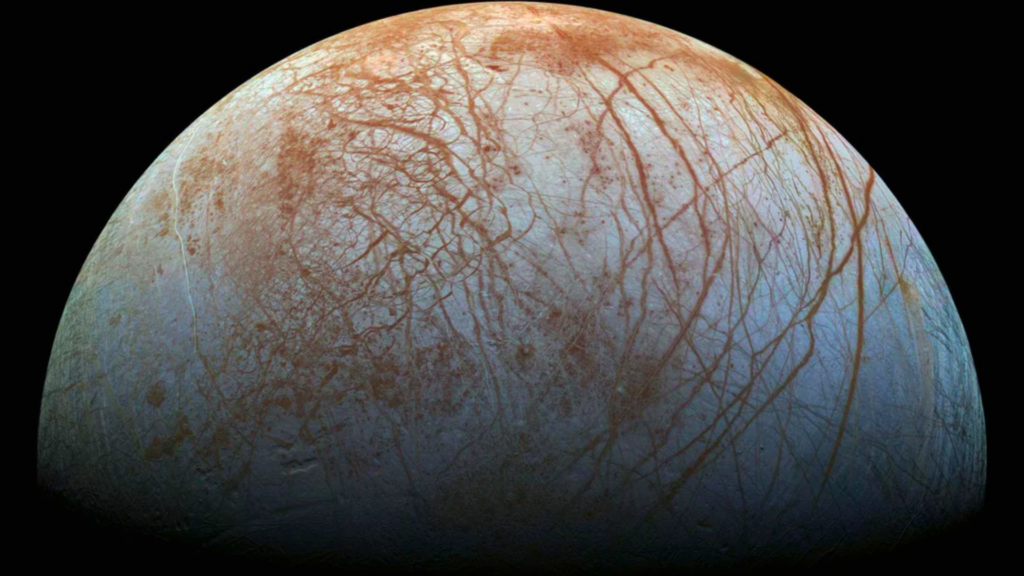
The implications of the Moroccan rocks extend far beyond Earth’s ancient seas. If microbial life could thrive deep underwater without sunlight, scientists may need to rethink where life could emerge elsewhere in the universe. Oceans hidden beneath icy moons such as Europa or Enceladus already intrigue astrobiologists because chemical-rich waters there might support similar ecosystems. Discoveries like this strengthen the idea that darkness alone does not prevent life from taking hold.
The research may also encourage geologists to revisit old rock collections with fresh eyes. Fossils once dismissed as meaningless sediment distortions could contain evidence of ancient microbial colonies. Advances in imaging technology and geochemical analysis may help researchers distinguish biological textures from purely physical formations. That process could uncover a much richer history of deep-ocean life than scientists currently recognize, potentially rewriting chapters of Earth’s evolutionary timeline in the years ahead.
For now, the “elephant skin” rocks remain both a scientific puzzle and a reminder of how easily major discoveries can be overlooked. A single texture on a weathered hillside challenged assumptions about where life could survive millions of years ago. The next breakthrough may already be sitting unnoticed in another remote landscape, waiting for someone willing to question what everyone else assumed they already understood.

Post a Comment for "Geologists discover mysterious 'elephant skin' rocks that could rewrite life's history"
Post a Comment