
Fixing a 'giant bureaucracy': San Diego County's charter reform showdown
San Diego County Proposes Major Charter Reform
San Diego County Board Chair Terra Lawson-Remer has proposed a significant charter reform aimed at modernizing the county government. The plan includes the establishment of an ethics commission, fiscal watchdogs, and an open budget process. It also seeks to extend term limits for supervisors and give them more authority over senior staff. Lawson-Remer argues that these changes are necessary to address what she describes as a "giant county bureaucracy of 20,000 people" that "doesn’t seem to work for voters."
If approved by voters in the November election, the reforms would bring San Diego County in line with other large California counties like Los Angeles, which is currently revising its government structure following a voter-approved charter reform measure in 2024. San Francisco is also considering amendments to its charter.
Lawson-Remer believes the proposed changes would make San Diego County more efficient, enabling supervisors to better manage its $8.6 billion budget and serve 3.3 million residents. She also thinks the reforms would help the county respond to potential federal changes and budget cuts under the Trump administration, which has reduced funding for homeless programs, healthcare, and food assistance.
“We have really tried to take a careful look at how to make government accountable and prioritize good government locally, because we’re nationally in a difficult situation,” she said.
Lawson-Remer emphasizes that the reforms would not add any extra cost to taxpayers. Instead, they would use existing resources and modernize outdated structures to reduce "inefficiency, duplication, and waste."
Criticisms and Counterproposals
Critics argue that the plan gives too much power to the board of supervisors. Supervisor Joel Anderson has introduced a counter-proposal, supporting oversight positions but advocating for limitations on supervisors' authority over top administrators. He also wants to apply longer term limits only to future office-holders, not the current board.
“My revised measure takes a more collegial approach: focused, transparent, and grounded in what you actually asked for: real reform, not a rushed power grab,” Anderson said in a statement.
Key Components of the Proposed Reforms
Lawson-Remer’s proposed charter reform includes five main components:
-
Ethics Commission: An independent ethics commission with authority over elected officials, capable of examining complaints ranging from financial conflicts of interest to sexual harassment allegations. The commission would have the power to subpoena witnesses and make findings public.
-
Budget Analyst and Program Auditor: New nonpartisan positions for a budget analyst who reports to the board and an independent program auditor to evaluate the effectiveness of county programs in areas such as homelessness, mental health, and jail services.
-
Public Budget Hearings: County department heads would present budget requests directly to the board during public hearings, allowing supervisors to weigh in earlier and shape the budget before it is finalized.
-
Supervisor Authority Over Top Officials: Supervisors would have the power to hire and fire some top county officials instead of leaving those appointments to the chief administrative officer. The board would confirm appointments for assistant and deputies to the CAO, emergency services director, public health officer, and public defender.
-
Extended Term Limits: Term limits for supervisors would be extended from two four-year terms to three, totaling 12 years. This would align San Diego County with state legislative limits and other counties like Los Angeles.
Charter Reforms in Other Counties
Other large California counties are implementing more dramatic changes to their government structures. For instance, Los Angeles County voters passed a charter reform measure in 2024 that introduced open budget hearings and a similar ethics commission. However, the LA reform goes further by adding an elected county executive, expanding the board from five to nine seats, and creating a charter review commission.
In contrast, San Francisco, which operates as a consolidated city-county, is considering changes that would concentrate power in the mayor’s office. Mayor Daniel Lurie argues that these reforms would streamline government and improve accountability.
Public Reaction and Next Steps
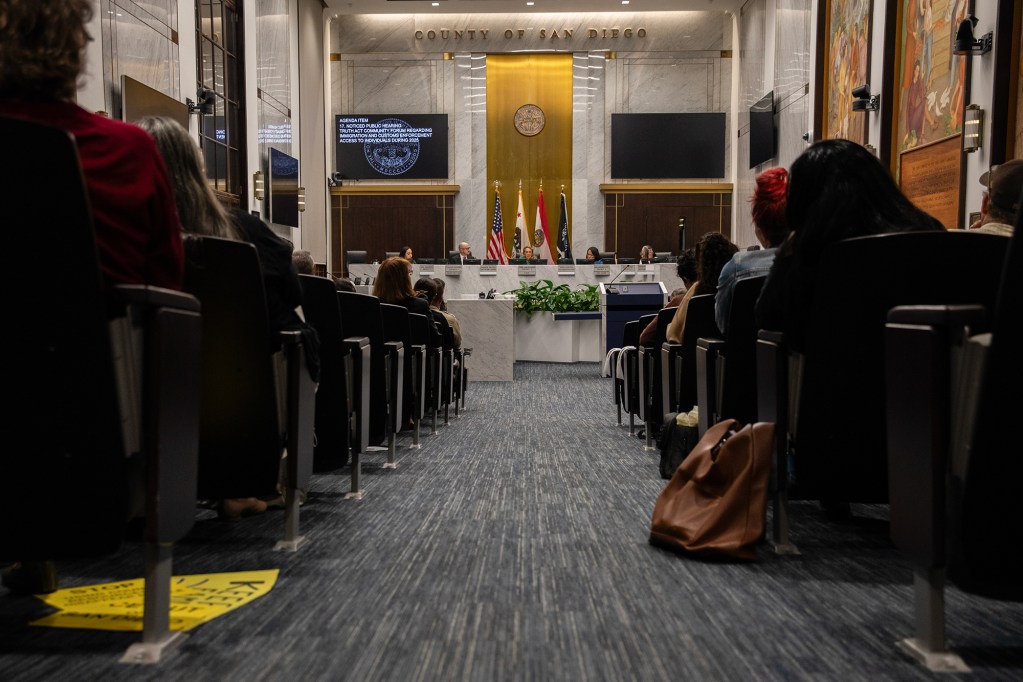
Public speakers at a recent San Diego County Board of Supervisors meeting were divided on the merits of the charter reform. Some praised the goals of transparency and accountability, while others criticized the extension of term limits and the empowerment of the board to hire and fire watchdogs.
Courtney Baltiyskyy of the Tijuana River Coalition highlighted inefficiencies in county systems that have hindered efforts to fix toxic sewage pollution. “For too long, there’s been uncertainty about the health impacts about who’s responsible and about how to actually move solutions forward,” she said.
The three Democratic supervisors — Lawson-Remer, Paloma Aguirre, and Monica Montgomery Steppe — voted to approve the charter reform measure, which will return to the board for a second reading on May 19. Republican Supervisors Joel Anderson and Jim Desmond opposed it.
Anderson introduced a competing proposal that the board will also consider, which would delete potential term limits on countywide officials such as the sheriff and district attorney.
The Board of Supervisors will consider both motions next week and vote on whether to place San Diego County charter reform on the November ballot.

Post a Comment for "Fixing a 'giant bureaucracy': San Diego County's charter reform showdown"
Post a Comment