
Federal Judge Halts Logging Near Eugene in Coast Range
Federal Judge Halts Logging Near Yoncalla, Oregon
On May 14, a federal judge issued a halt to logging activities near Yoncalla in Douglas County, approximately 50 miles south of Eugene. This decision followed allegations from several Oregon conservation groups that old-growth trees were being cut down in the area. The groups involved included Cascadia Wildlands, Oregon Wild, and Umpqua Watersheds. These organizations had previously filed a lawsuit against the Bureau of Land Management (BLM) over its Blue and Gold timber sale in 2024, claiming that the parcel contained old-growth trees, which violated federal environmental laws.
The timber sale proceeded while the lawsuit was ongoing. Earlier this week, the conservationists informed Judge Mustafa Kasubhai about their findings, including trees over 40 inches in diameter and older than 170 years. They requested a temporary restraining order to stop the logging. However, Kasubhai went further by ruling in favor of the environmentalists, agreeing with their 2024 argument that the BLM's analysis regarding the absence of old-growth trees in the sale area was flawed.
Laws Governing Logging on Public Lands
Several federal laws are in place to manage timber harvests on public lands in Oregon. A key example is the Northwest Forest Plan, established in 1994, which aimed to balance the interests of sustainable timber production and long-term forest health. This plan divided public lands into "matrix" and "reserves" areas, with reserves designated for habitat protection for endangered species like the northern spotted owl.
The fight over Oregon’s old-growth forests has been centered around the survival of the northern spotted owl, listed as endangered in 1990. Other significant laws include:
- The National Environmental Policy Act (NEPA): Requires agencies to evaluate environmental and community impacts before proceeding with projects, including logging.
- The Endangered Species Act: Allows individuals or organizations to petition for species listing, which mandates protection of critical habitats.
- The Federal Land Policy and Management Act: Directs the BLM to prepare Resource Management Plans for its districts.
- The Oregon & California Lands Act: Governs 2.46 million acres of BLM land in western Oregon, emphasizing a balance between timber production, water quality, economic opportunity, and recreation.
The Blue and Gold Timber Sale
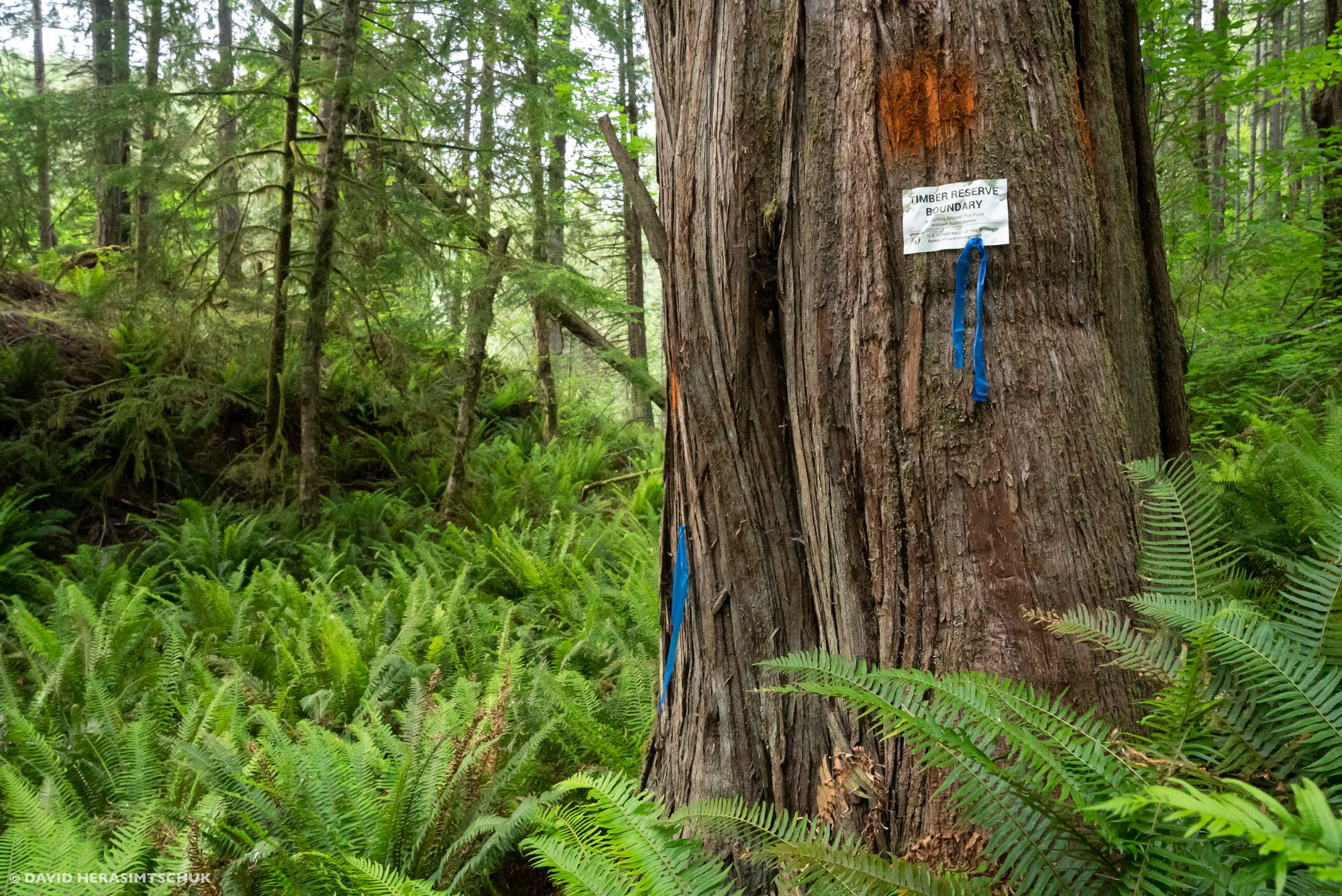
The Blue and Gold timber sale sparked immediate backlash from environmental groups who claimed it involved old-growth forests. The BLM’s analysis stated that the oldest trees were only 140 years old, but conservationists argued this was incorrect, and Judge Kasubhai agreed with their stance.
The plan called for logging 2,400 acres over eight years, starting in 2024. Cascadia Wildlands alleged that some of the trees slated for logging were as old as 600 years, according to reports by Oregon Public Broadcasting. Environmental groups also claimed that former BLM employees had blown the whistle on the project, stating that wildlife surveys intentionally omitted evidence of endangered species and that the agency misrepresented the age of the forests.
Legal Disputes and Industry Perspectives
In response to the lawsuit, the American Forest Resource Council and the Association of O&C Counties intervened, arguing that the sale supported rural jobs and the BLM’s ability to manage federal forest lands. They maintained that the BLM’s environmental assessment was carefully designed by professional public lands managers.
Both sides in the case agreed that the BLM’s management plan prohibits logging old-growth trees, defined as those at least 40 inches in diameter and established before 1850. These trees serve as critical habitat for protected species like the northern spotted owl and marbled murrelet.
Judge Kasubhai cited internal BLM emails that described the agency’s analysis of tree age as “wildly wrong” and “a mess.” He noted that Merchantable Tree Plot Summaries showed plots where almost every tree listed was over 40 inches in diameter. The judge emphasized that the BLM did not describe any process for measuring tree diameters or determining their establishment date prior to 1850.

Post a Comment for "Federal Judge Halts Logging Near Eugene in Coast Range"
Post a Comment