
Fed Governor Stephen Miran Steps Down as Warsh Era Begins
Fed Governor Stephen Miran’s Resignation and the Shift in Monetary Policy
Fed Governor Stephen Miran, who served as a key advocate for significantly lowering interest rates under President Donald Trump, has submitted his resignation. His departure marks a significant shift in the Federal Reserve’s leadership and policy direction.
Miran’s resignation letter, which he submitted to the president on May 14, stated that his position would end when Kevin Warsh is sworn in as the next chair of the central bank. In his letter, Miran highlighted his efforts during his temporary tenure, particularly his focus on ensuring the Fed adopts appropriate monetary policies that account for potential biases in how inflation is measured.
“If the Federal Reserve doesn’t adjust for these errors, it will run unemployment higher than it has to, fighting fake rather than real inflation,” Miran wrote. He emphasized that his stance was based on the belief that the Fed should avoid policies that could exacerbate economic imbalances.
The Fed’s Dual Mandate and the Challenge of Balancing Rates
The Federal Reserve operates under a dual mandate from Congress: to promote maximum employment and maintain stable prices. This requires a delicate balance between adjusting interest rates to support job growth and preventing inflation from spiraling out of control.
Lower interest rates can stimulate hiring but may also contribute to rising inflation. This risk could lead to an inflationary spiral if not managed carefully. On the other hand, higher interest rates can help cool prices but may also weaken the job market by increasing borrowing costs and reducing economic activity.
Addressing Supply Shocks and Inflation
Miran discussed his perspective on responding to supply shocks, such as the current surge in oil prices due to the Iran War, in a May 15 interview with CNBC. He noted that changes in Fed policy typically take 12 to 18 months to impact the economy, which limits the immediate effects of rate adjustments.
For example, if a clothing company raises prices due to tariffs, Miran explained, monetary policy cannot directly address this issue. Similarly, the oil shock caused by the Iran War may temporarily increase prices, but the Fed should focus on long-term inflation trends rather than short-term fluctuations.
“That’s the thing with supply shocks, is that you need to be forecasting more supply shocks,” he said.
Transition to Kevin Warsh and the Role of Jerome Powell
Miran’s resignation creates an opening on the seven-member Board of Governors for Kevin Warsh. Meanwhile, outgoing Chair Jerome Powell will remain on the board indefinitely while legal challenges against him and the central bank are resolved.
Powell’s term as chair ended on May 15, and his term on the board will conclude in January 2028. The Fed announced that Powell would serve as chair pro tempore until Warsh’s swearing-in, a practice consistent with past transitions between chairs.
Miran’s Advocacy for Rate Cuts
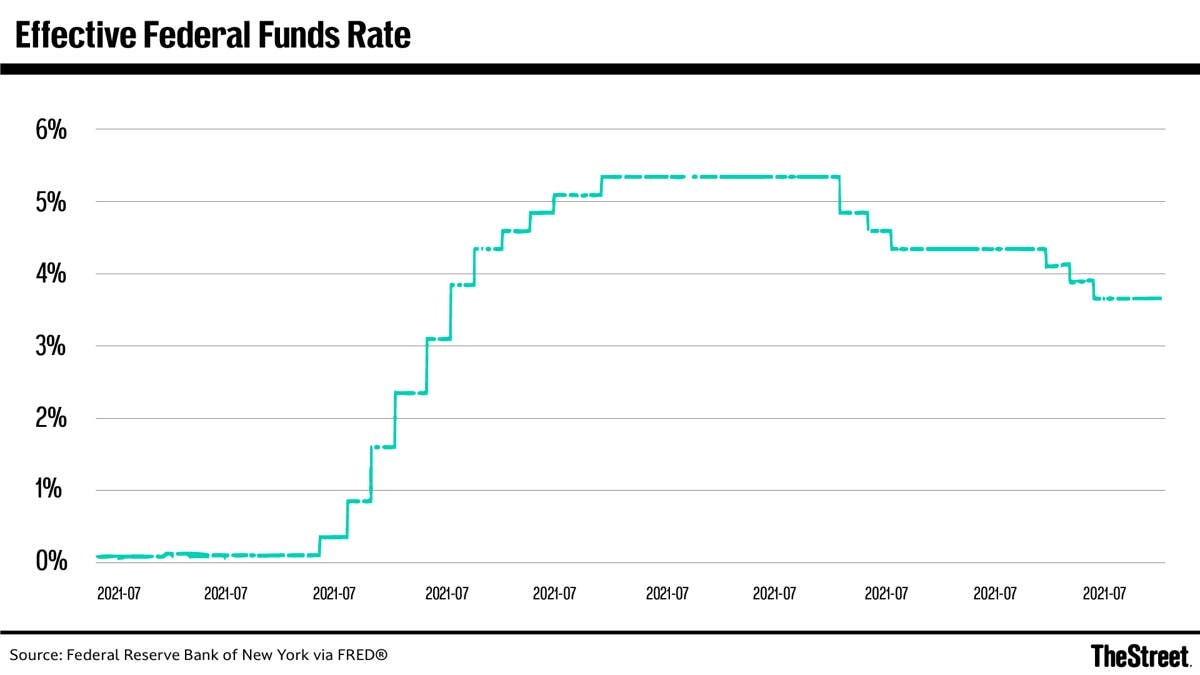
Throughout his time on the Board, Miran consistently pushed for rate cuts at every FOMC meeting. Despite a decisive 8-4 vote on April 29 to keep the benchmark Federal Funds Rate steady at 3.50% to 3.75%, Miran remained a vocal supporter of rate reductions.
He voted for rate cuts in six of the meetings since joining the board in September, even when the Fed cut rates in its last three meetings of 2025. Miran argued for larger cuts, stating, “I’ve laid out my math. I’ve always done what I think is right.”
Concerns Over Fed Independence
Miran’s appointment as a Fed governor raised concerns about the independence of the central bank. He was previously the chair of the White House Council of Economic Advisers when Trump named him to fill Adriana Kugler’s seat in August 2025. His role in pushing for lower interest rates sparked worries among economists and global markets.
In his resignation letter, Miran emphasized the importance of forward-looking policymaking and incorporating reforms immediately. This approach aligns with Warsh’s vision of a “regime change” at the Fed, which he had advocated for since resigning from the Board in 2011 over a policy dispute.
Background and Career Path
Miran, 42, has a diverse background in both public and private sectors. He worked as a senior strategist at Hudson Bay Capital Management and a senior fellow at the Manhattan Institute for Policy Research. From 2020 to 2021, he served as a senior adviser for economic policy in the U.S. Department of the Treasury.
Before joining the Treasury, Miran spent a decade in financial markets. He holds a B.A. in economics, philosophy, and mathematics from Boston University and a doctorate in economics from Harvard University.
Miran recently told CNBC that he has no plans to return to the Fed.

Post a Comment for "Fed Governor Stephen Miran Steps Down as Warsh Era Begins"
Post a Comment