
Elon Musk's Orbital Data Centers: A Profitable Dream or a Futile Gamble?
The Reality of Space Data Centers
SpaceX is rethinking its approach to space-based data centers. Once described as a "no brainer" by CEO Elon Musk, the idea of placing these facilities in orbit is now being viewed as highly complex and potentially unprofitable. Recent disclosures from the company suggest that this ambitious plan may not be as viable as previously thought.
According to an early look at SpaceX's S-1 filing, which is part of the company's preparations for its initial public offering (IPO), the venture into orbital AI compute and in-orbit industrialization faces significant challenges. The document highlights that these initiatives are still in their early stages and involve advanced technologies that have yet to be proven.
A Shift in Perspective
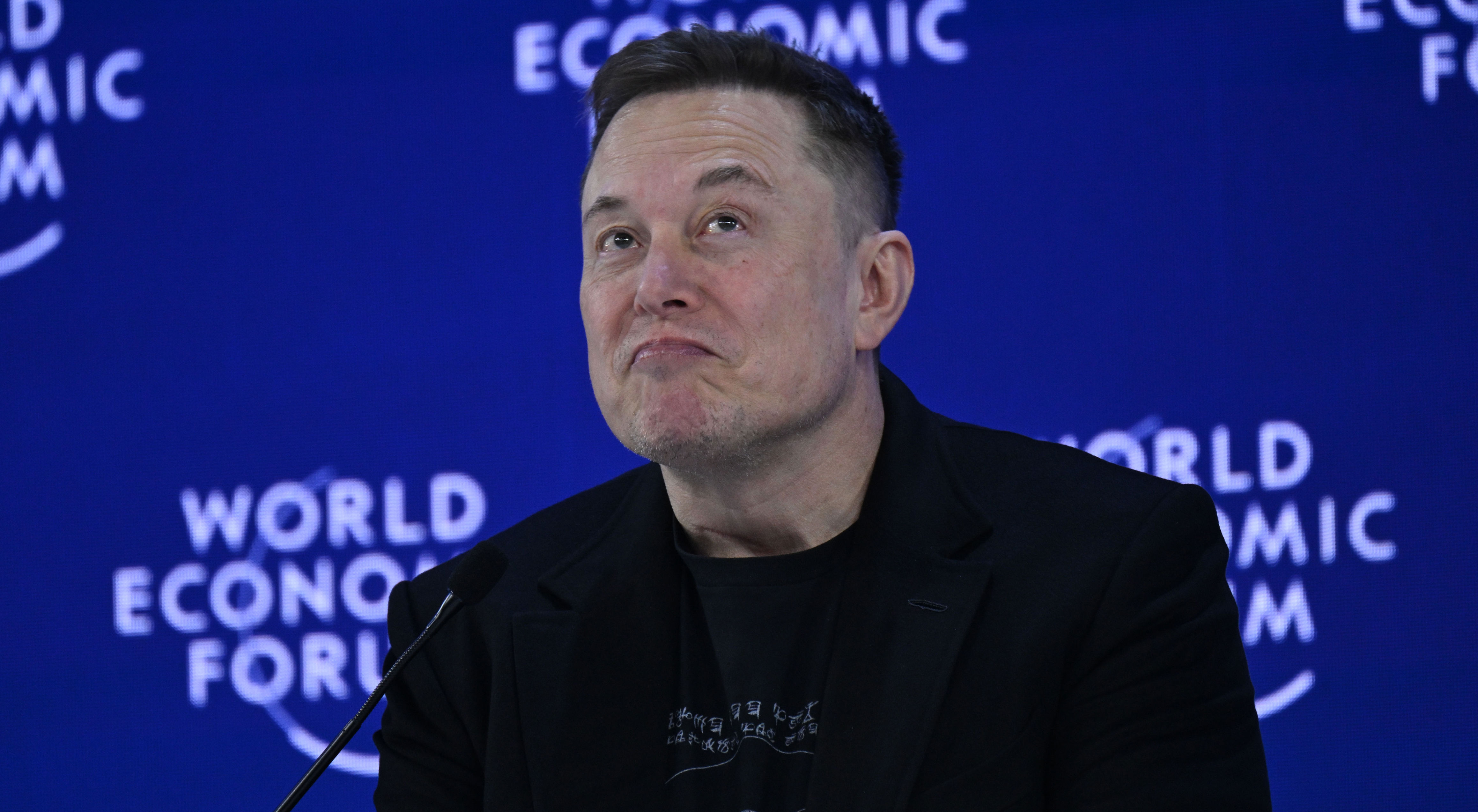
This marks a notable shift from earlier statements made by Musk. At the World Economic Forum in January, he claimed that the advantages of solar energy and the cooling properties of deep space would make building AI data centers in space a "no brainer." He even predicted that the lowest cost place to host AI would be in space within two to three years.
However, the recent filings reveal a more cautious outlook. SpaceX has acknowledged the technical complexities and financial risks associated with such a project. The harsh environment of space poses unique challenges, including potential malfunctions or failures of the data centers due to unpredictable conditions.
Financial and Technical Challenges
The financial burden of launching and maintaining these data centers is considerable. SpaceX has yet to develop the necessary rockets to deploy 1 million of them into orbit, as the Starship vehicle has not met expectations. Additionally, the company recently acquired Musk's xAI, which has been experiencing significant financial losses. In the quarter ending September 30, 2025, xAI reported a net loss of $1.46 billion, following a $1 billion loss in the previous quarter.
More than 60% of SpaceX's 2025 revenue came from its Starlink satellite internet service, according to confidential IPO paperwork. This reliance on a single service underscores the need for diversification and careful financial planning.
A More Cautious Tone
As the IPO approaches, SpaceX is adopting a more measured tone. The S-1 document, designed to inform investors of potential risks, reflects this change. Musk has also shown a less bombastic demeanor in recent communications. During Tesla's earnings call, he mentioned that the company would be increasing capital investments and slowing down the rollout of its Robotaxi and Optimus robot projects.
"We're preparing Fremont for the start of production later this year with Optimus," Musk stated. "Again, totally new supply chain, totally new technology, so therefore the production S curve is always very slow in the beginning, but we'll ramp up to significant numbers next year."
Preparing for the IPO
SpaceX is reportedly planning to launch its IPO road show in June, aiming to raise $75 billion. This would result in a valuation of $1.75 trillion. The company is allocating a significant number of shares for retail investors, signaling its intent to broaden its investor base.
Looking Ahead
As SpaceX navigates the complexities of its IPO and the challenges of space-based data centers, it remains to be seen how these initiatives will evolve. The company must balance innovation with financial prudence, ensuring that its ambitious goals are achievable and sustainable.
For those interested in staying updated on the latest developments, following reputable sources and industry reports can provide valuable insights. As the space industry continues to grow, the role of companies like SpaceX will be pivotal in shaping the future of technology and exploration.

Post a Comment for "Elon Musk's Orbital Data Centers: A Profitable Dream or a Futile Gamble?"
Post a Comment