
Dozens Arrested in Rival London Protests: Latest Update
Overview of the Protests in London
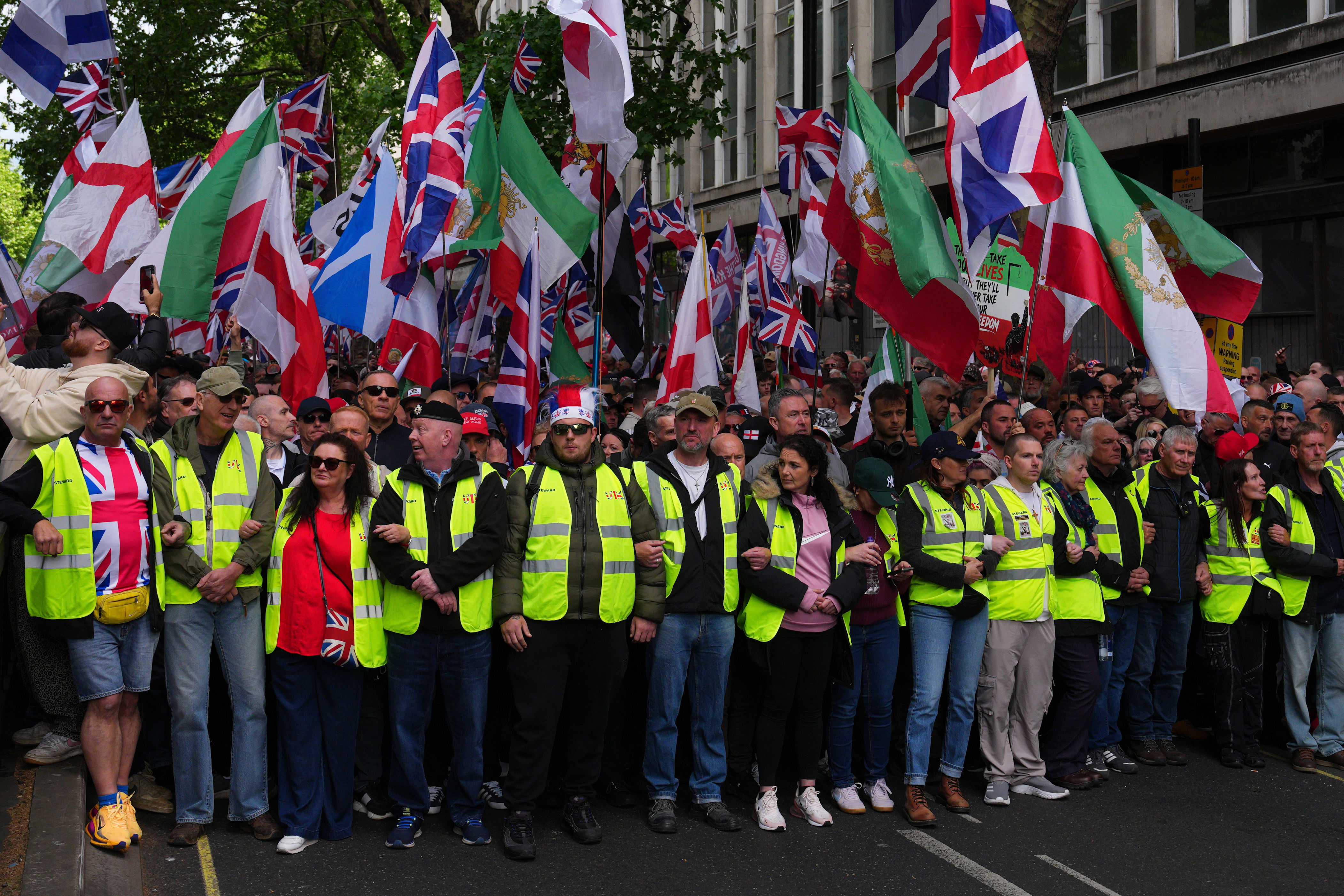
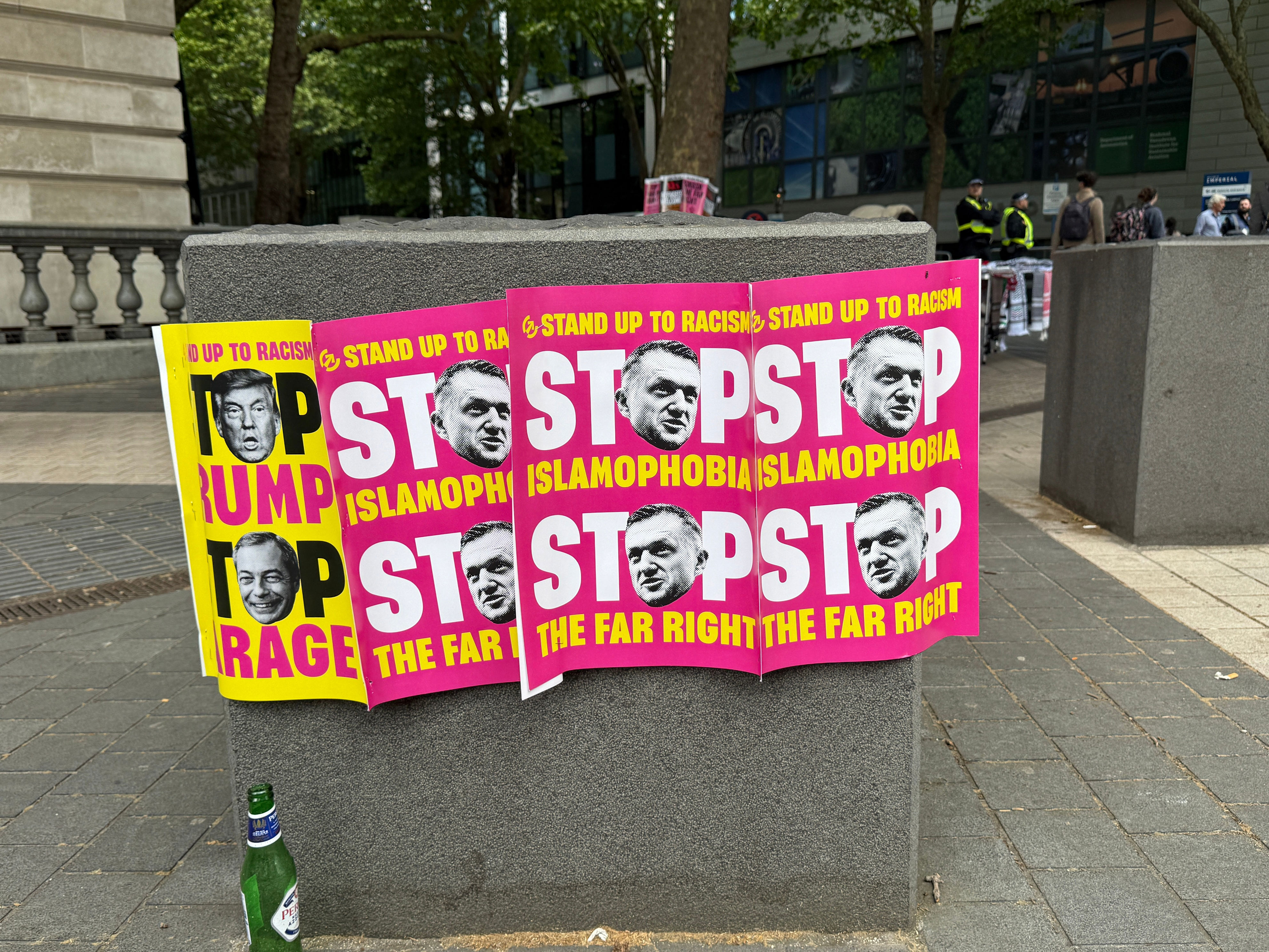
On a day marked by significant public gatherings, London witnessed two major protests: the Unite the Kingdom march led by Tommy Robinson and a pro-Palestine rally commemorating Nakba Day. These events saw a substantial police presence to ensure safety and prevent any potential conflicts between the groups.
The Metropolitan Police reported that 31 arrests were made across the operations, with the force emphasizing that the protests largely proceeded without significant incidents. The operation was described as "unprecedented" due to the large number of participants and the high-profile nature of the events.
Details of the Unite the Kingdom March
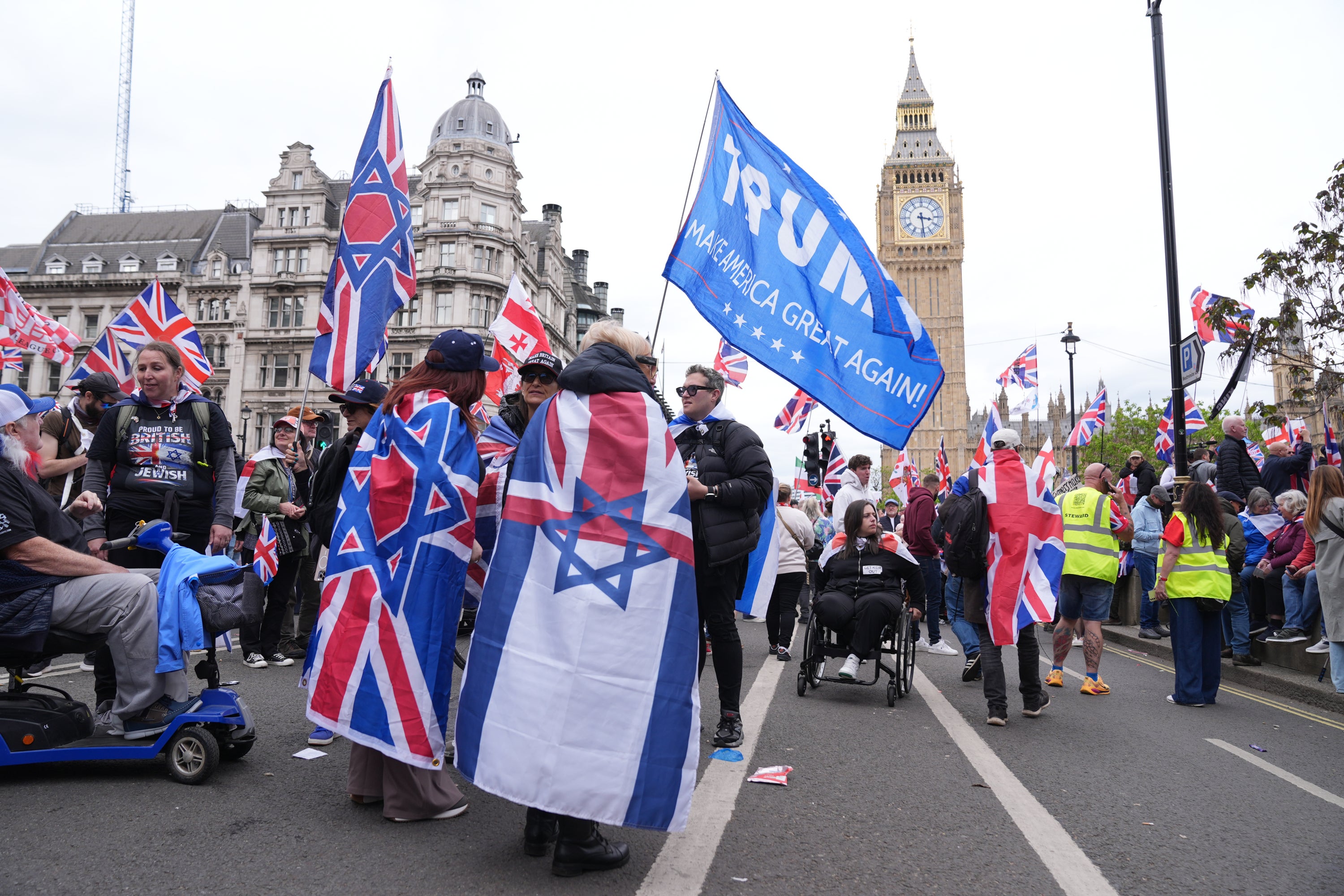
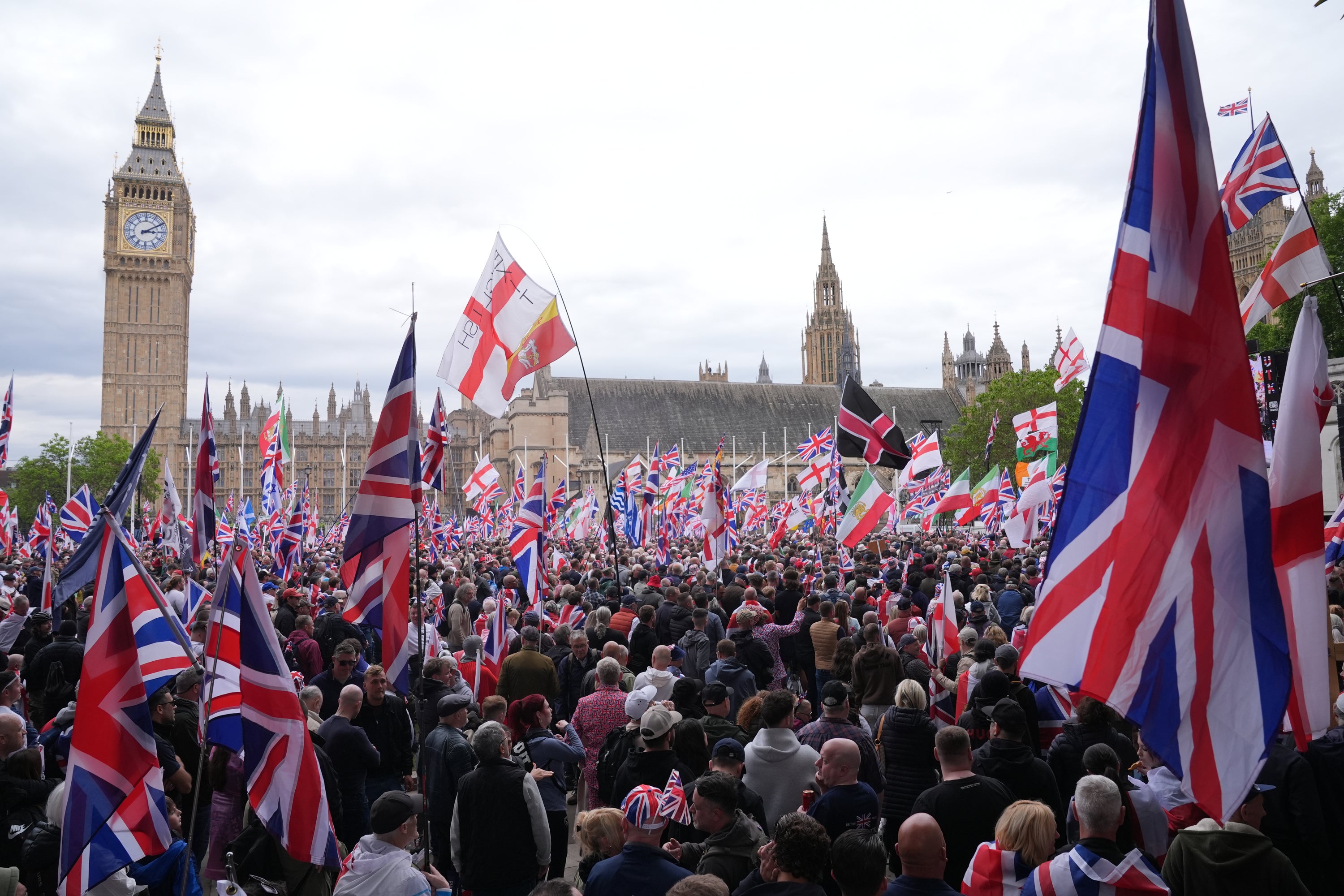
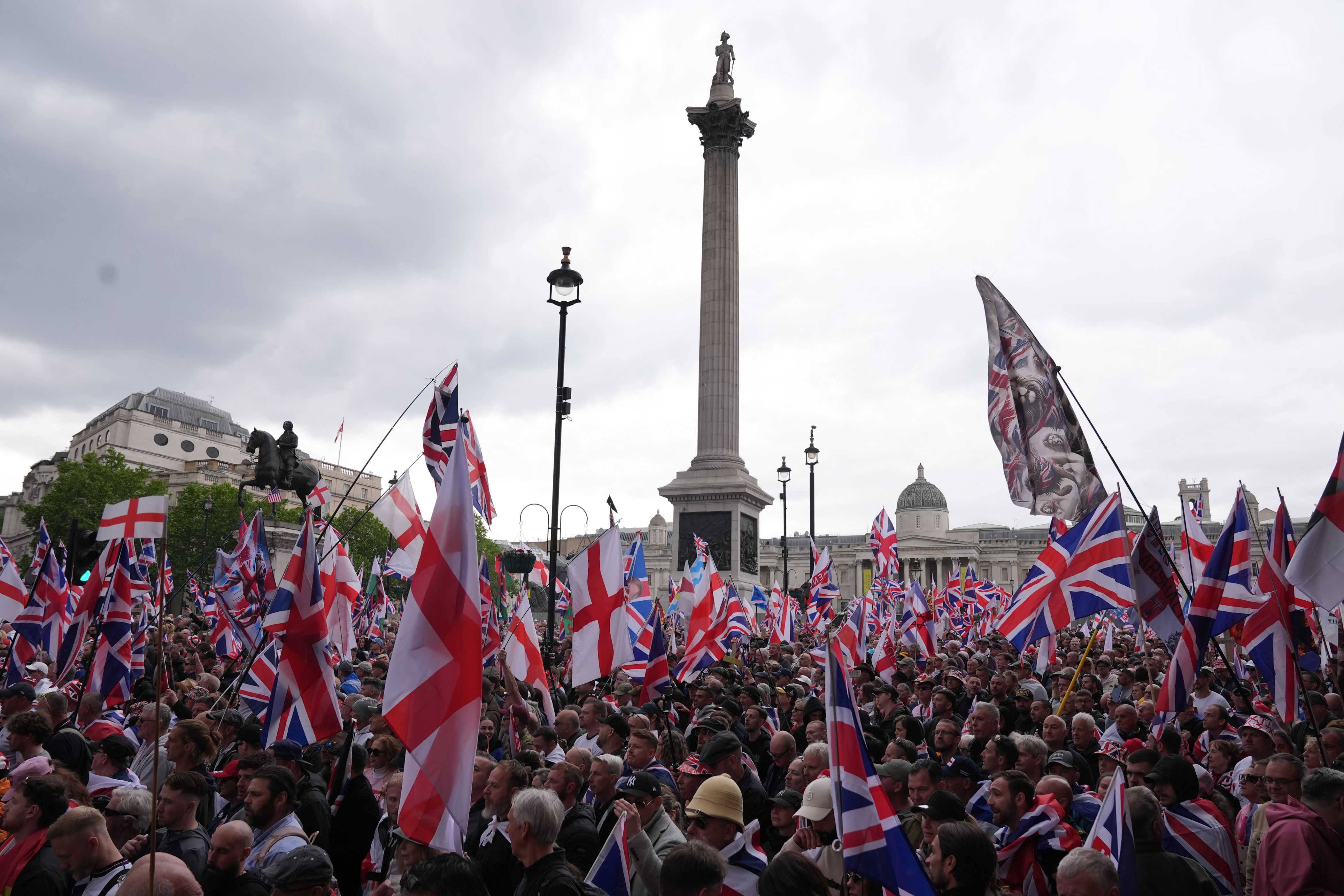
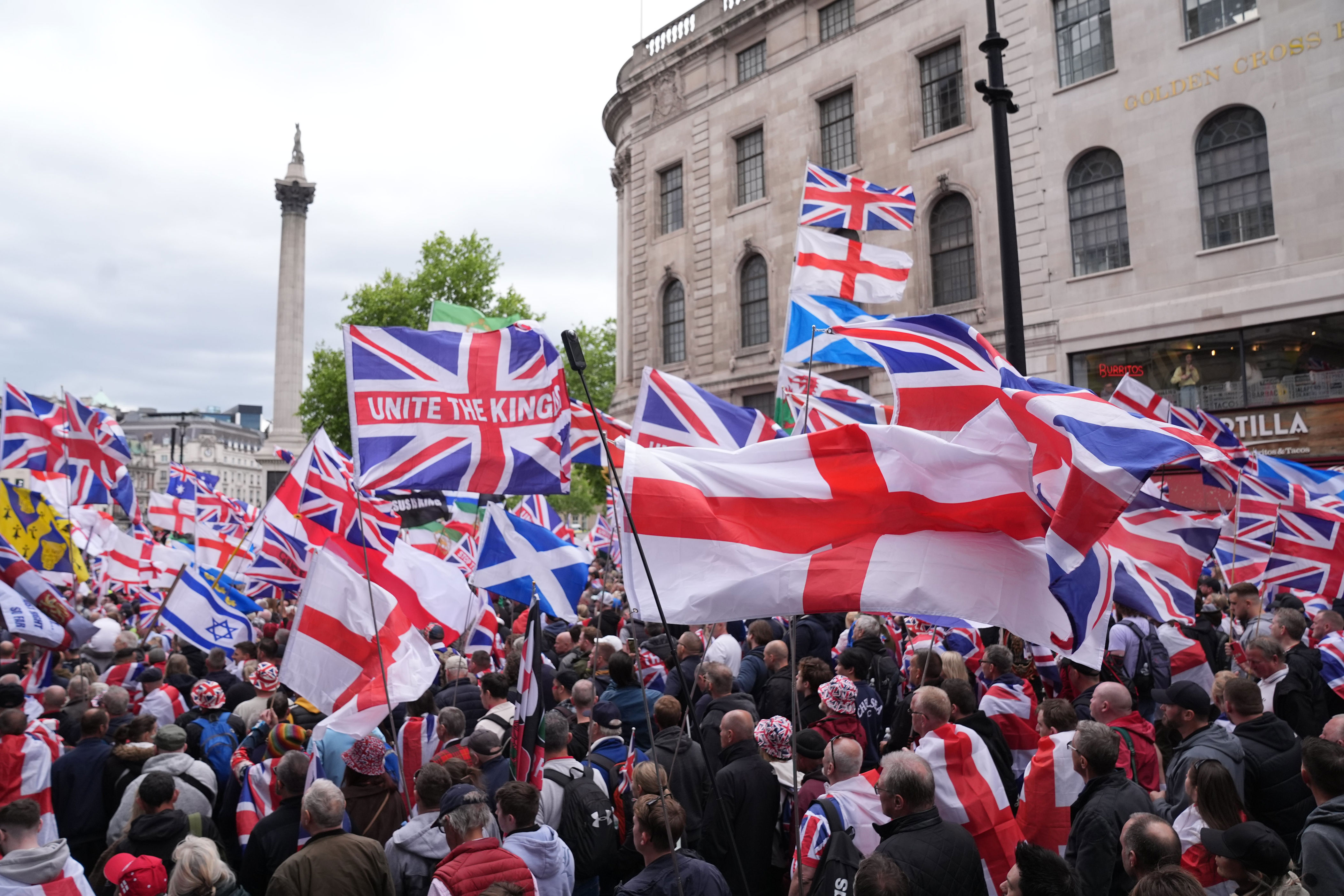
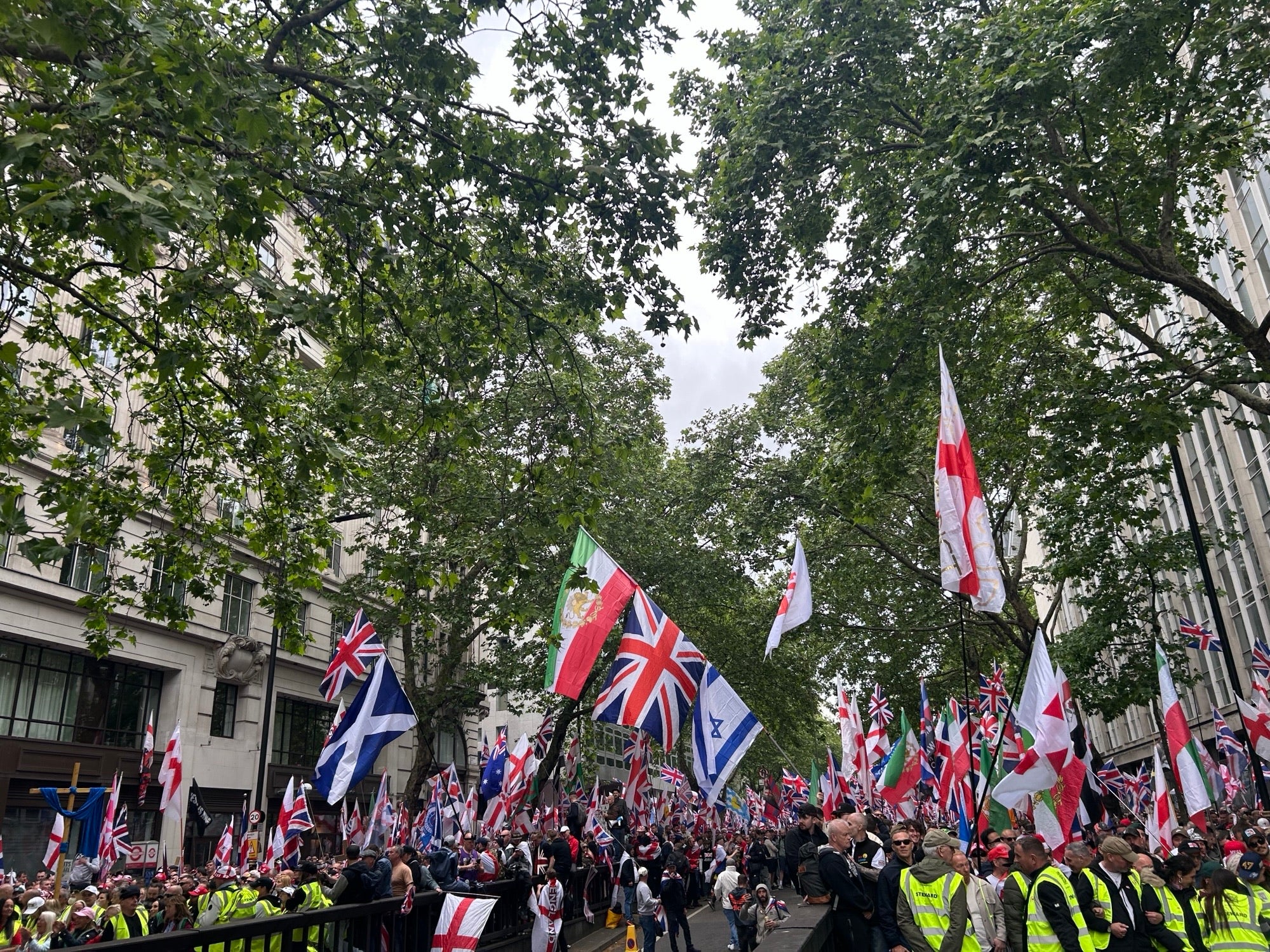
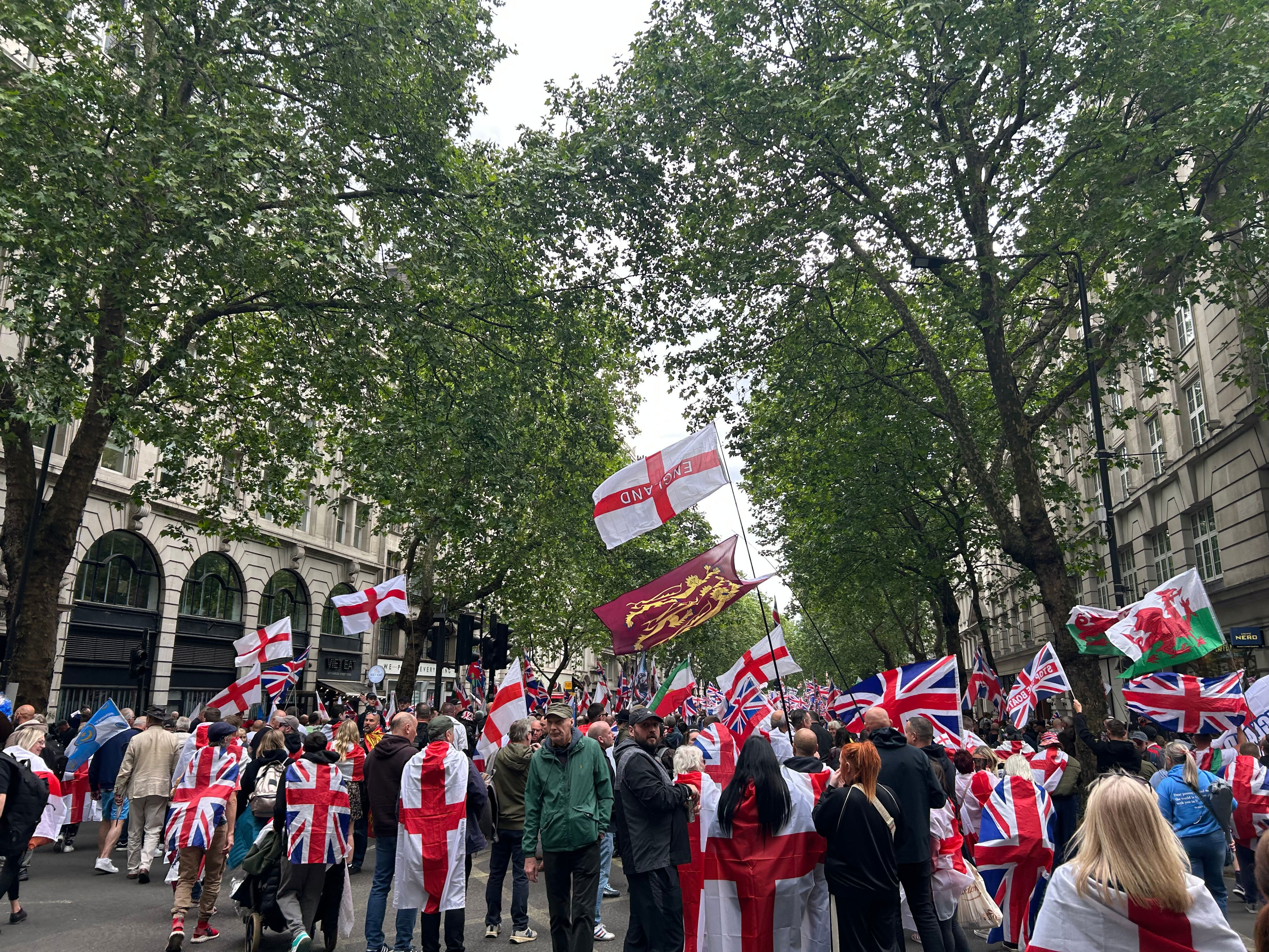
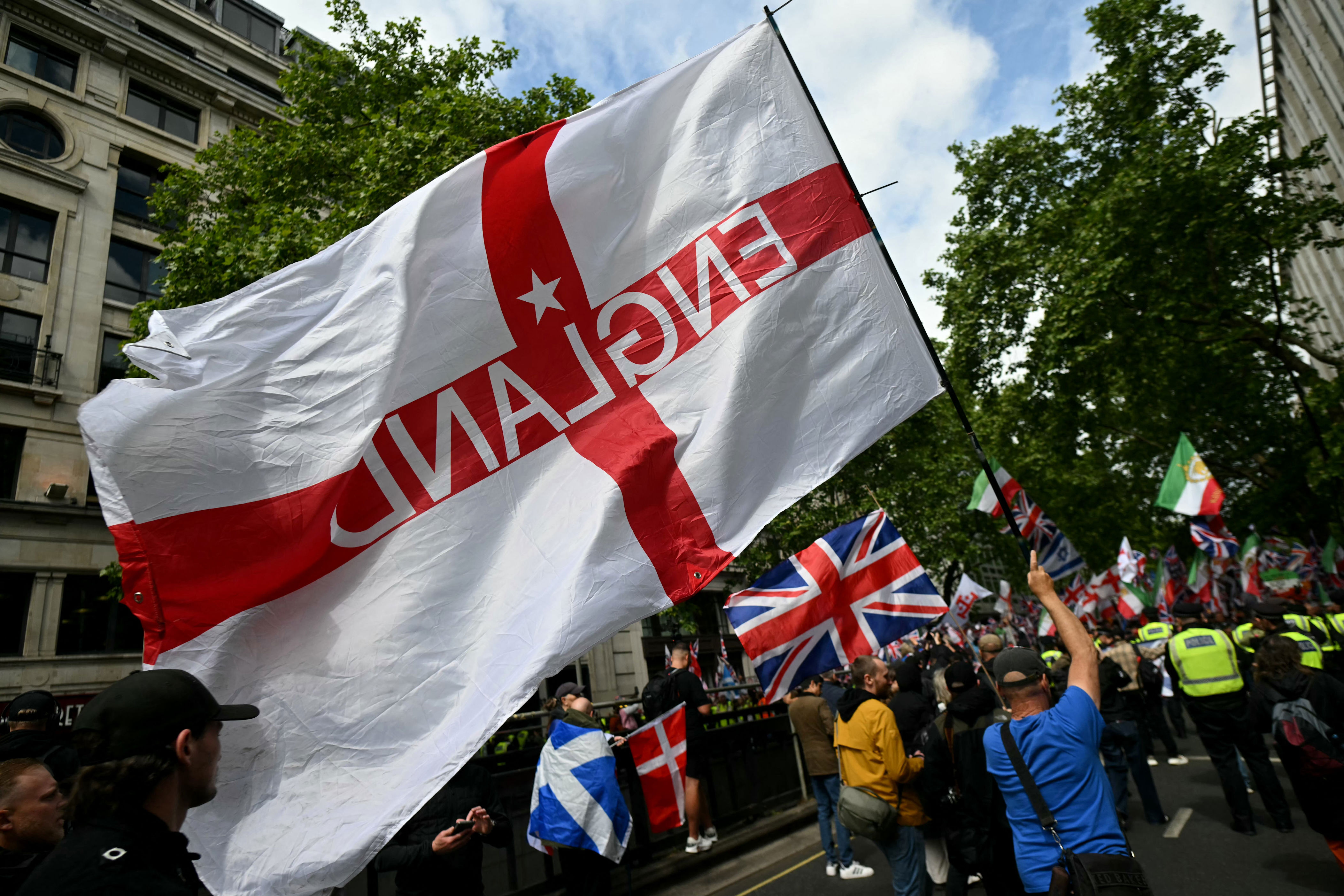
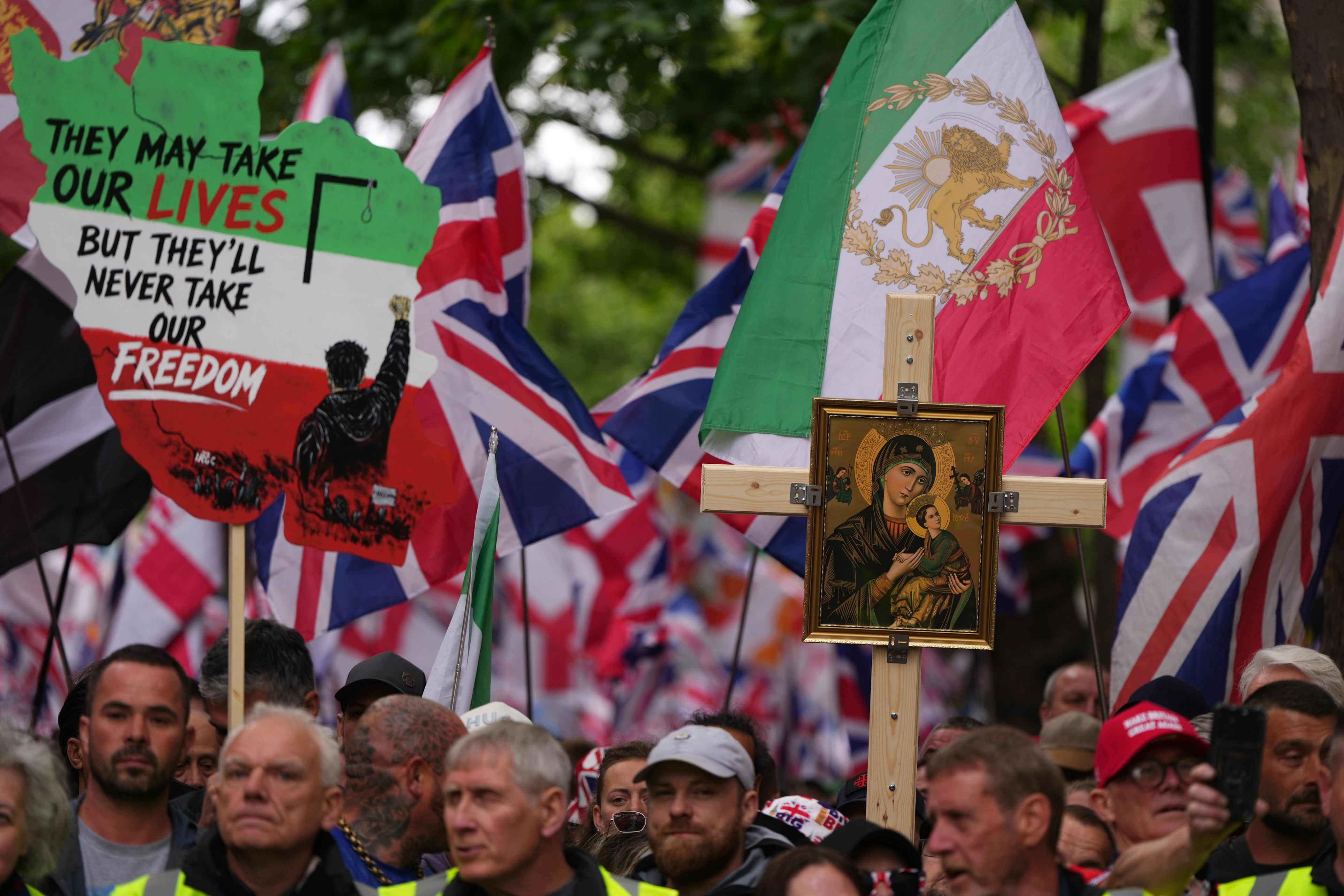
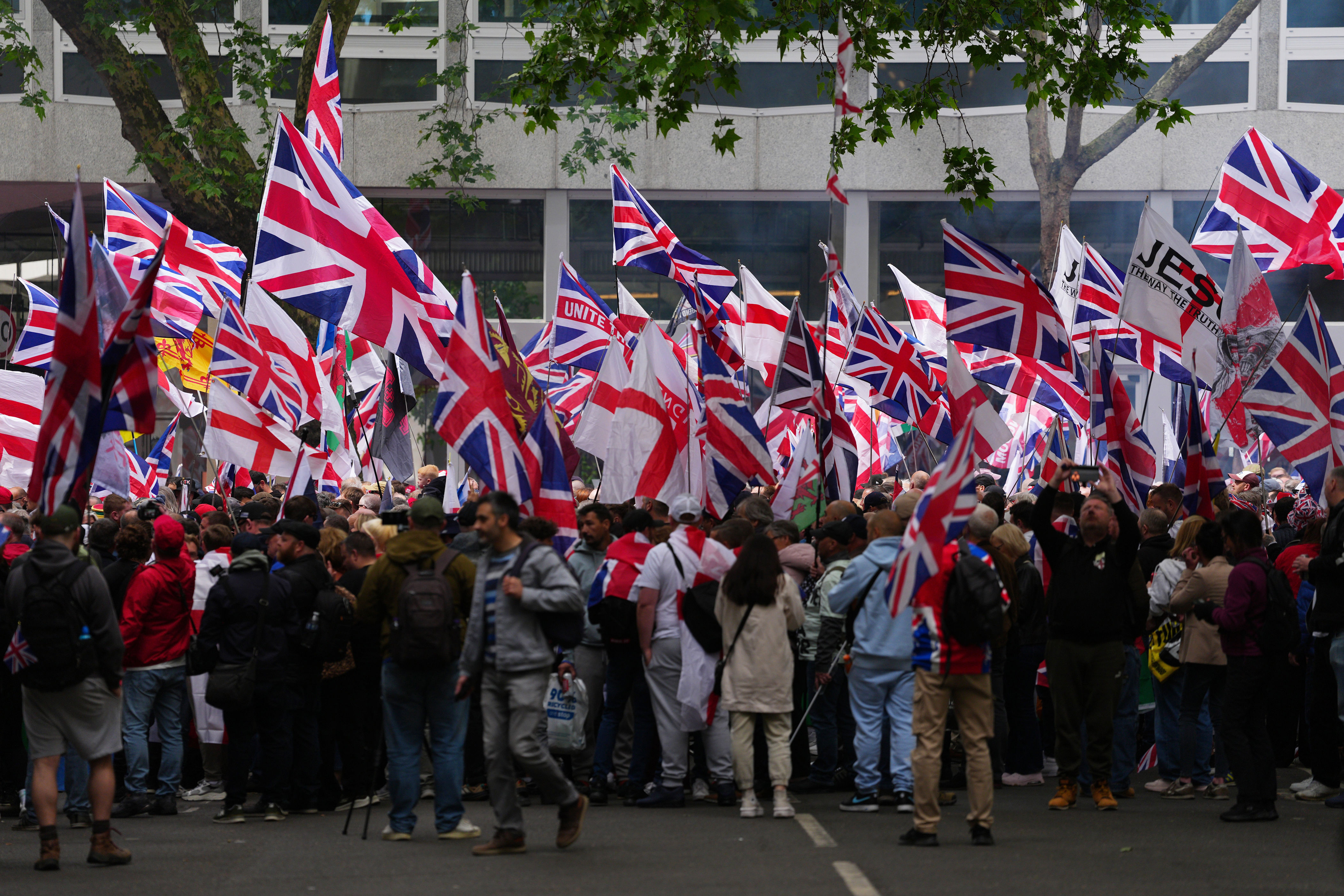
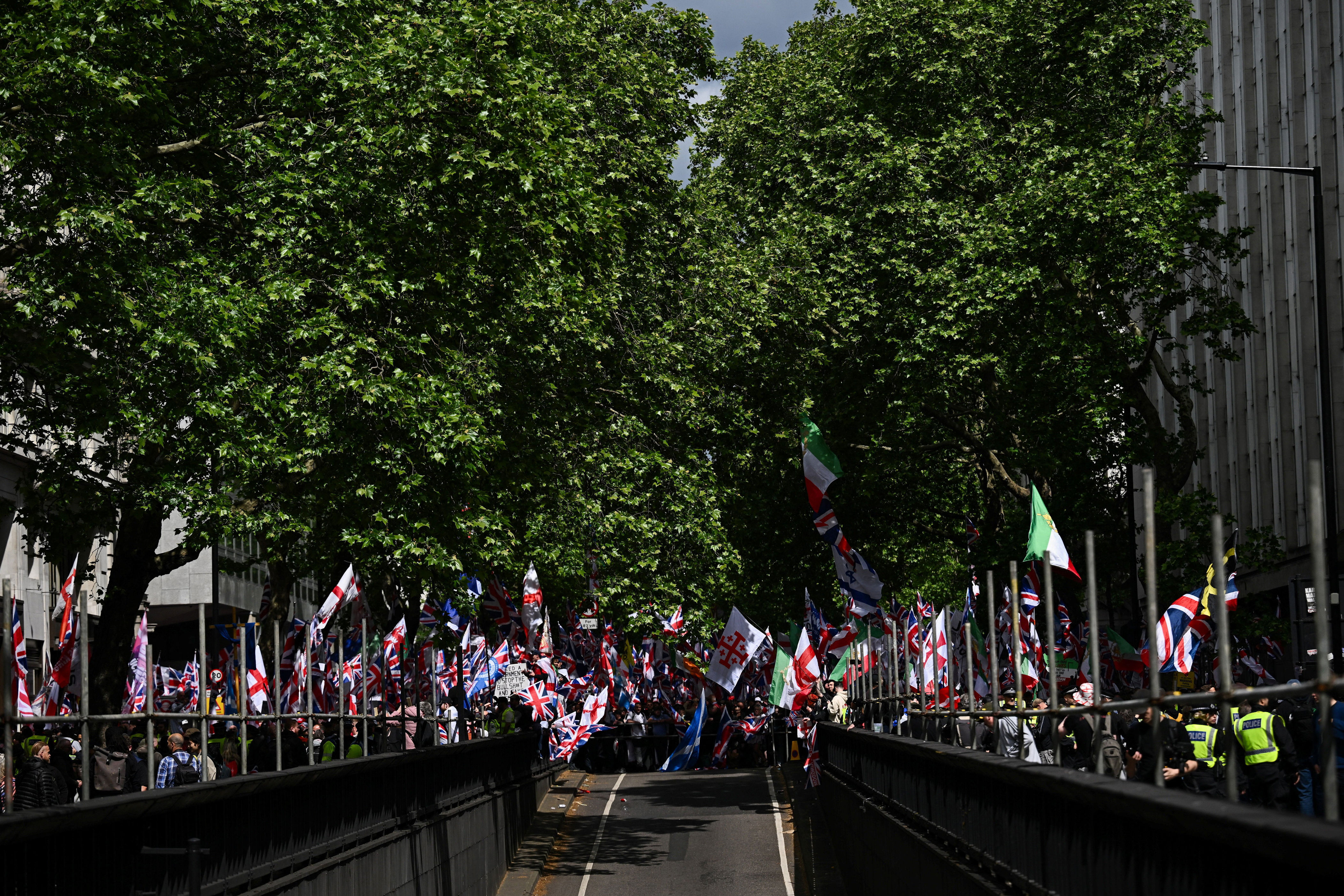
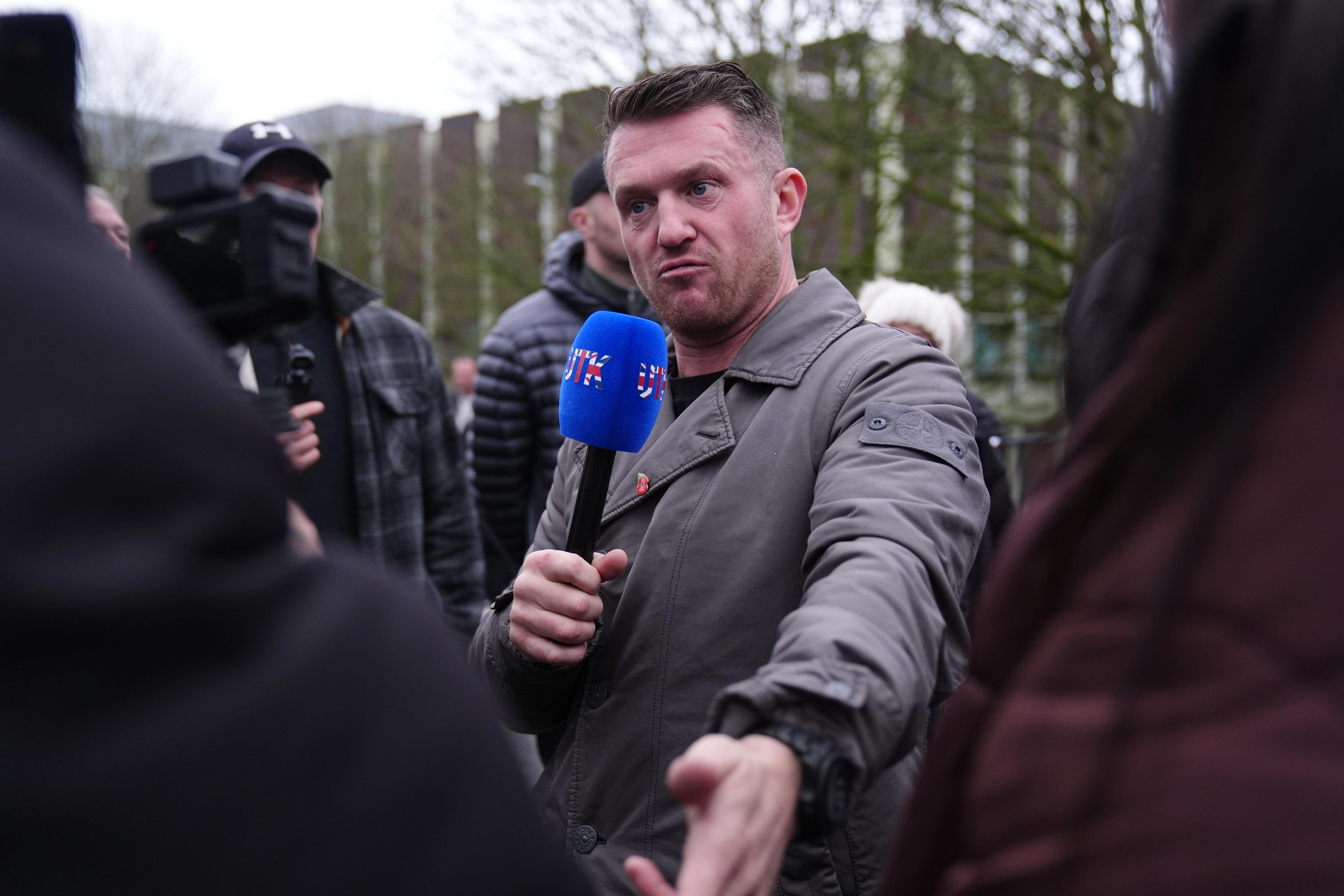
The Unite the Kingdom march, organized by far-right activist Tommy Robinson, drew thousands of participants. Many protesters were seen waving Union flags, while others carried flags representing opposition to the Iranian regime. The event featured loud chants against Sir Keir Starmer, with some wearing "Make England Great Again (Mega)" red hats and draped in Union flags.
Tommy Robinson's speech at the event highlighted the importance of political engagement, urging attendees to get involved in the political process for the future of the country. He also praised figures such as Elon Musk and Charlie Kirk, who have been associated with similar movements.
Pro-Palestine Rally on Nakba Day
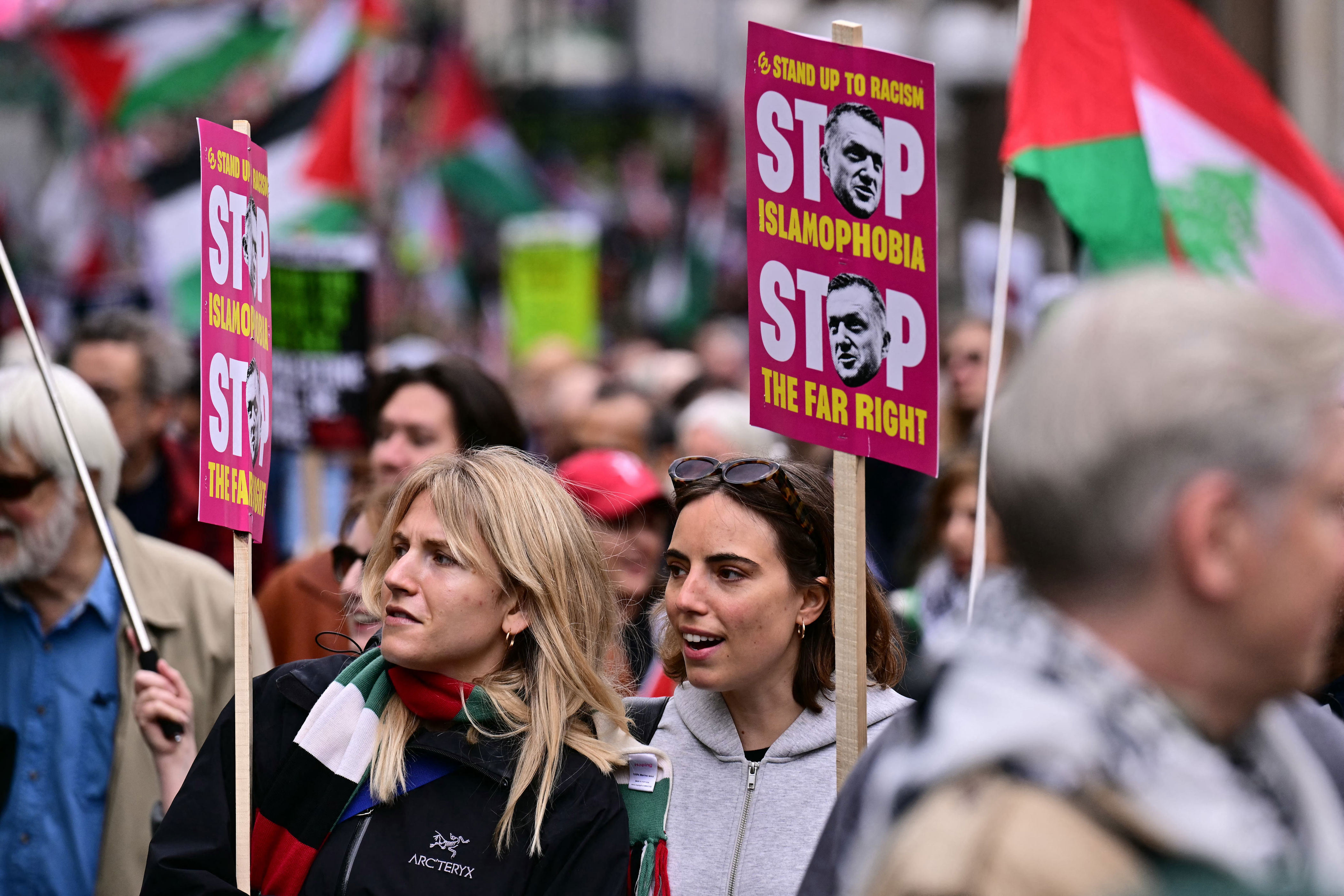
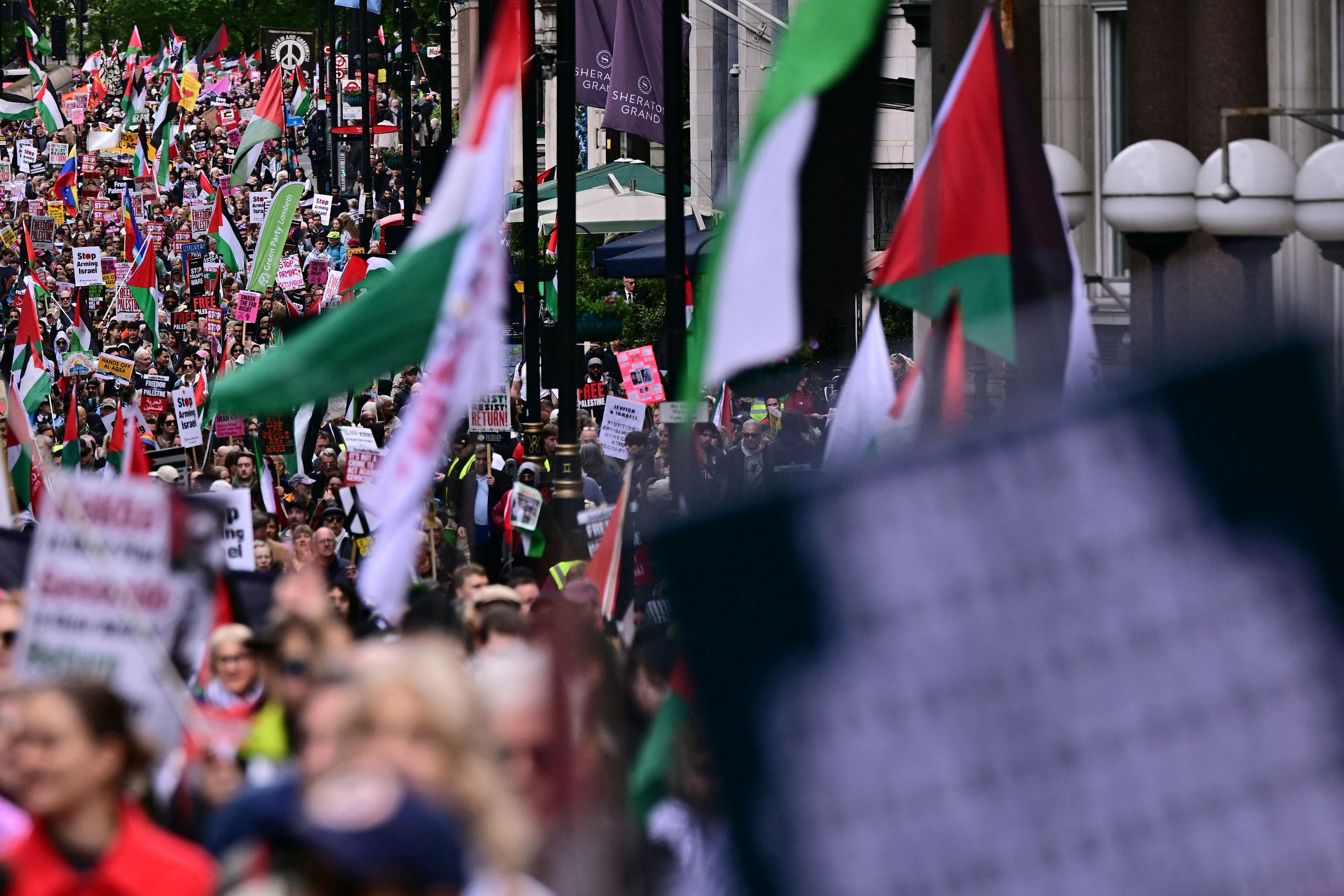
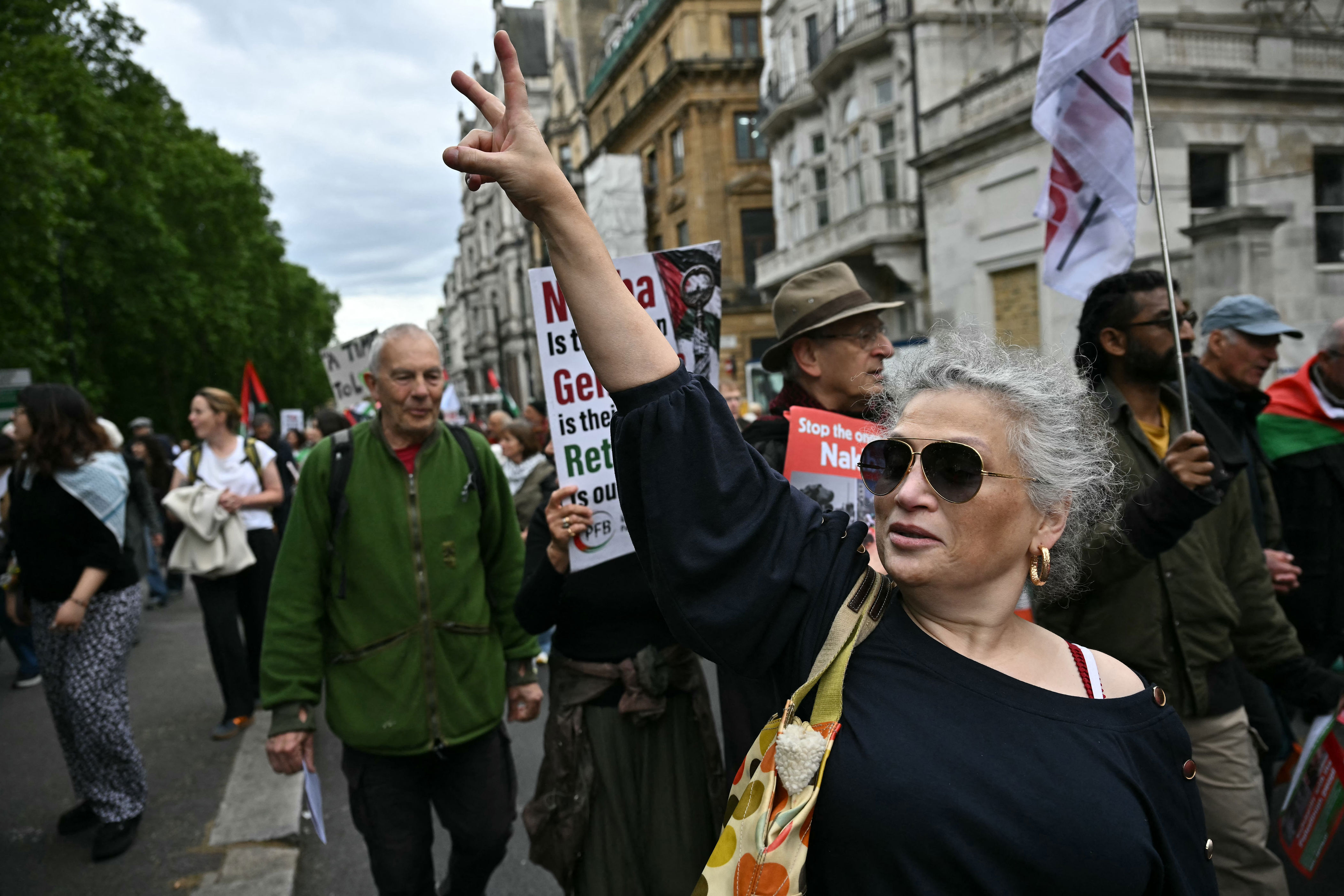
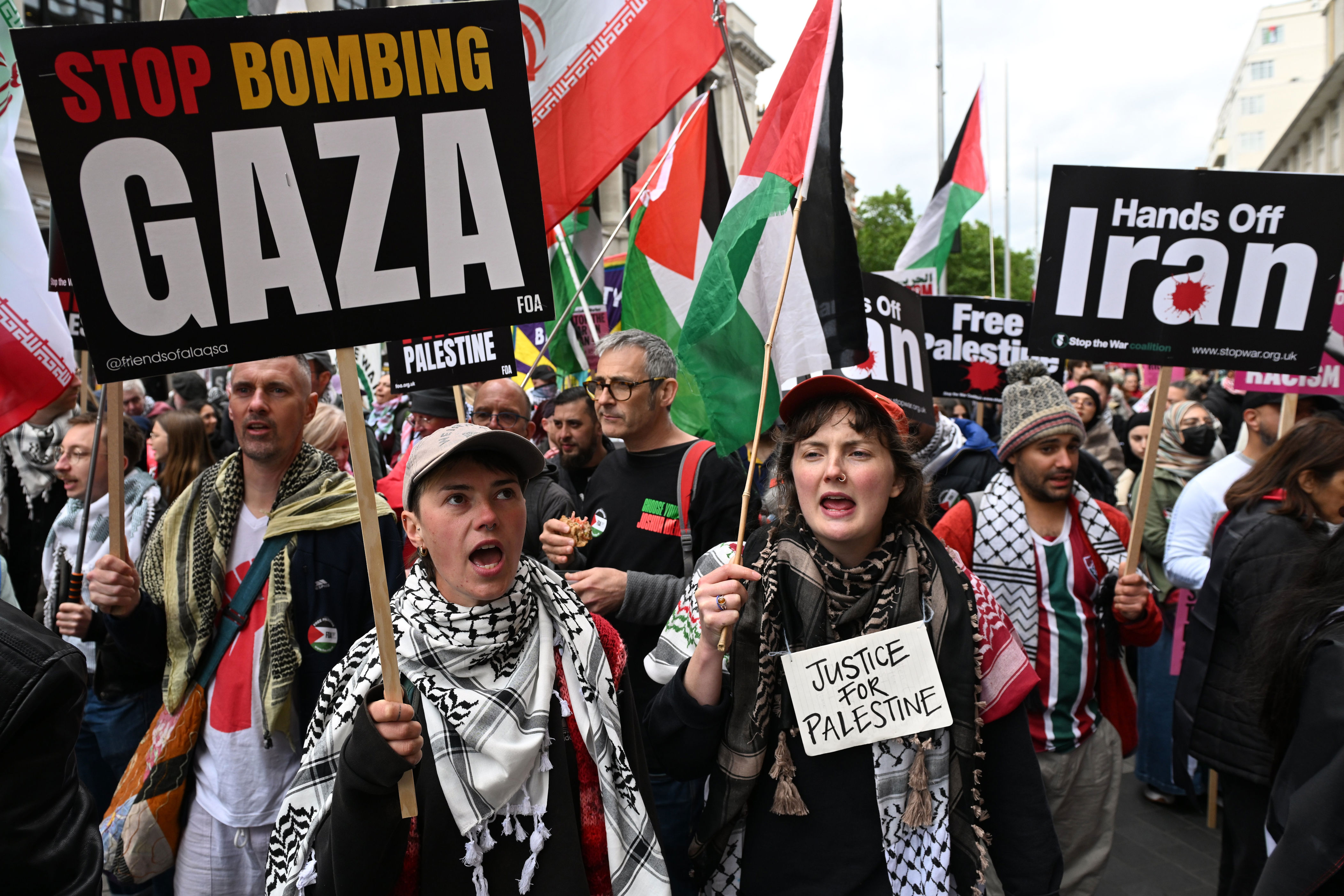
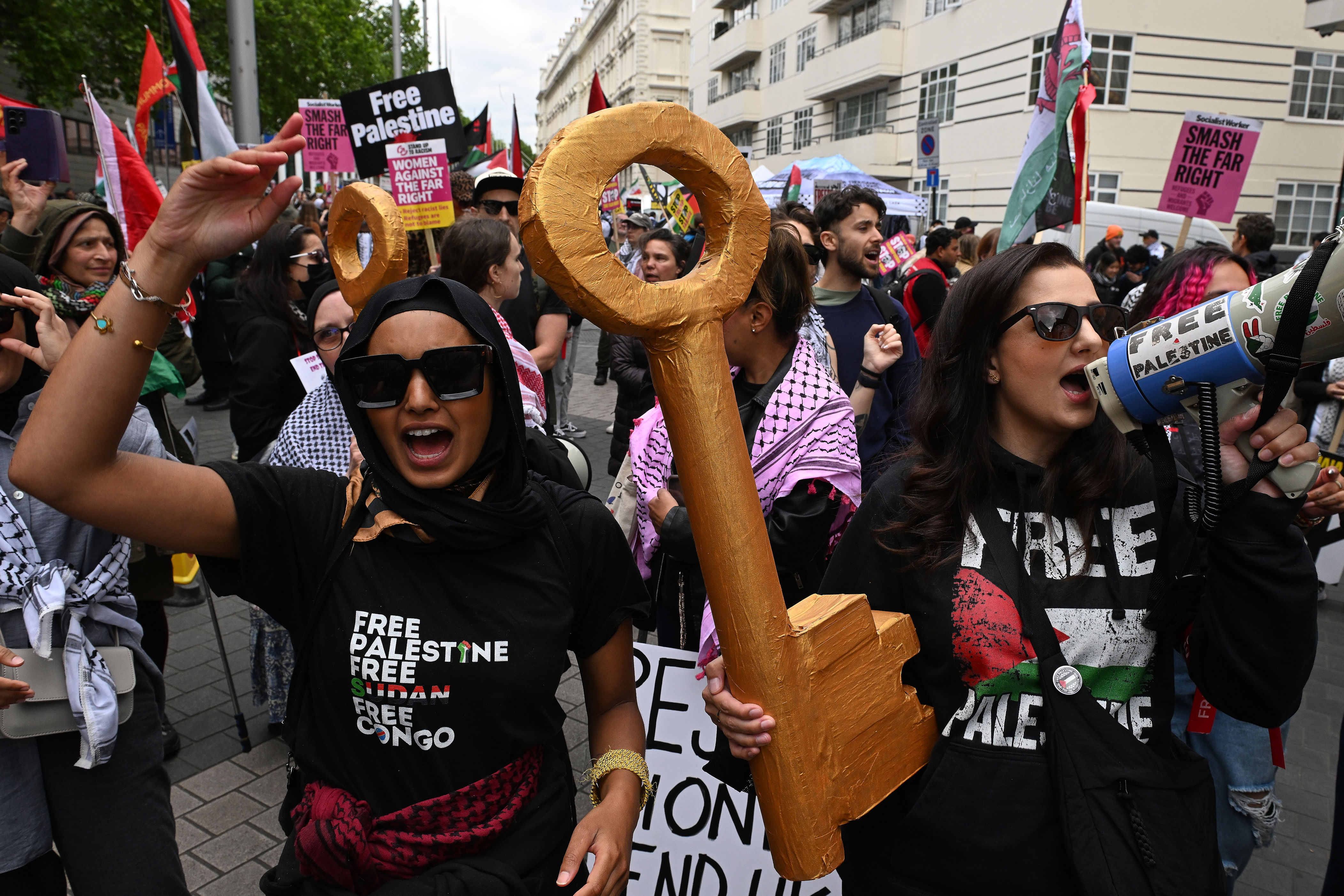
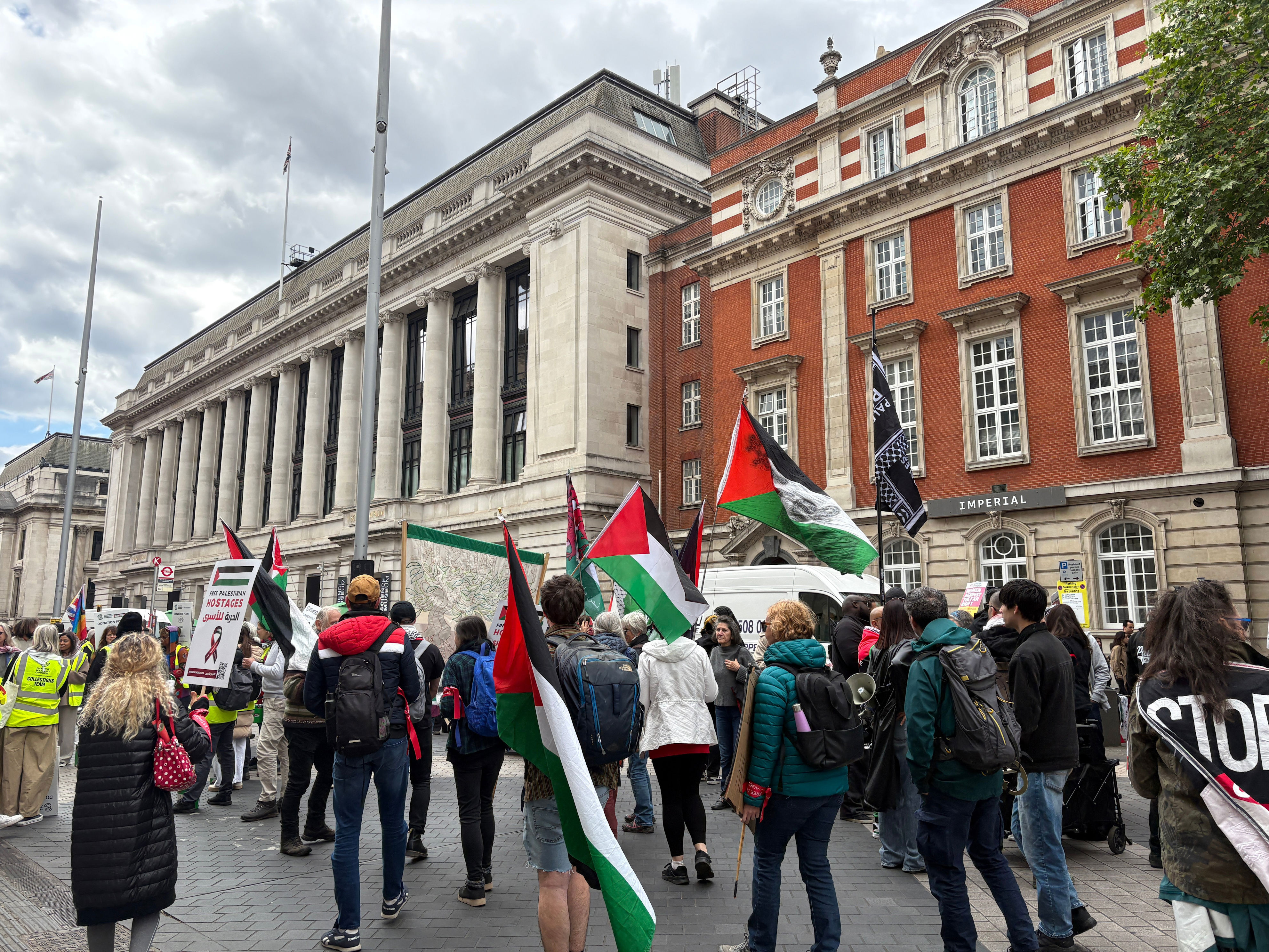
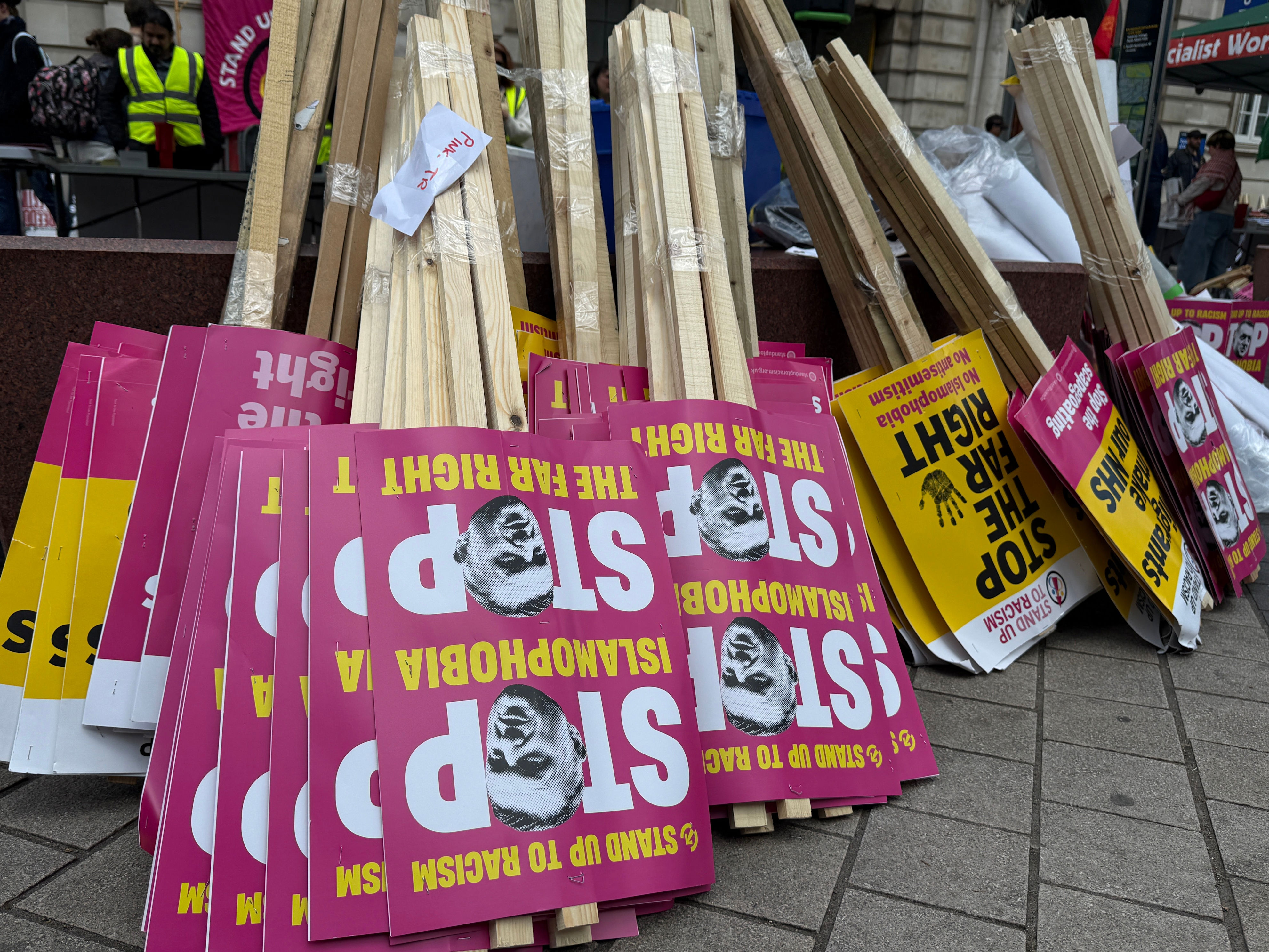
In contrast, the pro-Palestine rally focused on commemorating Nakba Day, which marks the displacement of Palestinians during the 1948 war. Protesters carried placards with slogans like “Nurses Not Nukes,” “Free Palestine,” and “Stop Arming Israel.” Chants of “From the river to the sea, Palestine will be free” echoed through the streets, reflecting the deep-seated sentiments of the crowd.
Jeremy Corbyn, former Labour leader, addressed the crowd, emphasizing the need for a change in policy rather than personalities. He criticized the far-right for their divisive rhetoric, stating that their hatred would not lead to positive change but rather division and instability.
Security Measures and Arrests
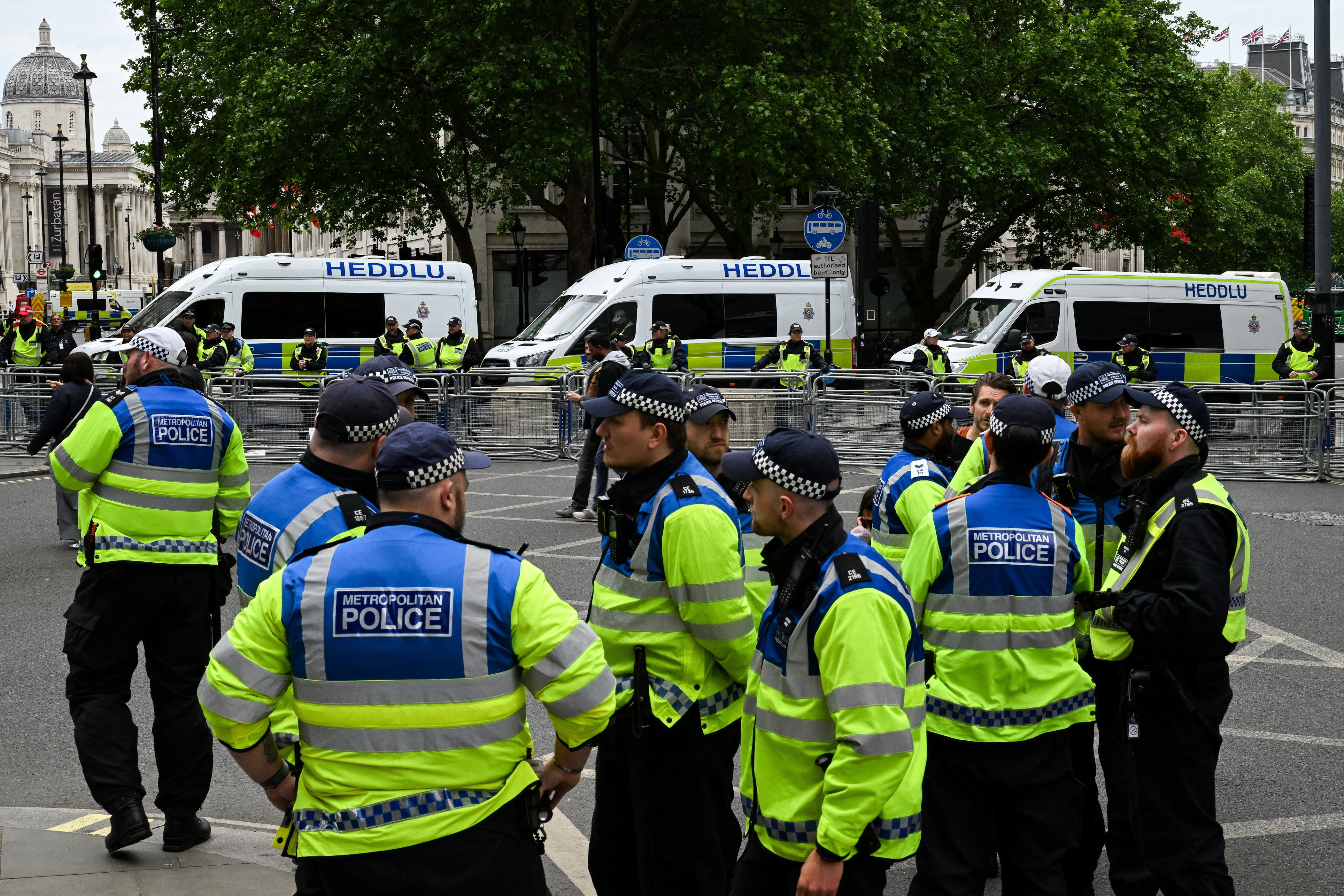
To manage the large crowds and prevent clashes, the Metropolitan Police deployed a significant number of officers, including armoured vehicles, helicopters, drones, and mounted police. The operation cost £4.5 million, with £1.7 million allocated for additional officers from other forces.
The police also implemented new measures, including live facial recognition technology, to monitor the events. The Crown Prosecution Service emphasized that they would not hesitate to prosecute any instances of hate speech or criminal behavior.
Public Reactions and Political Statements
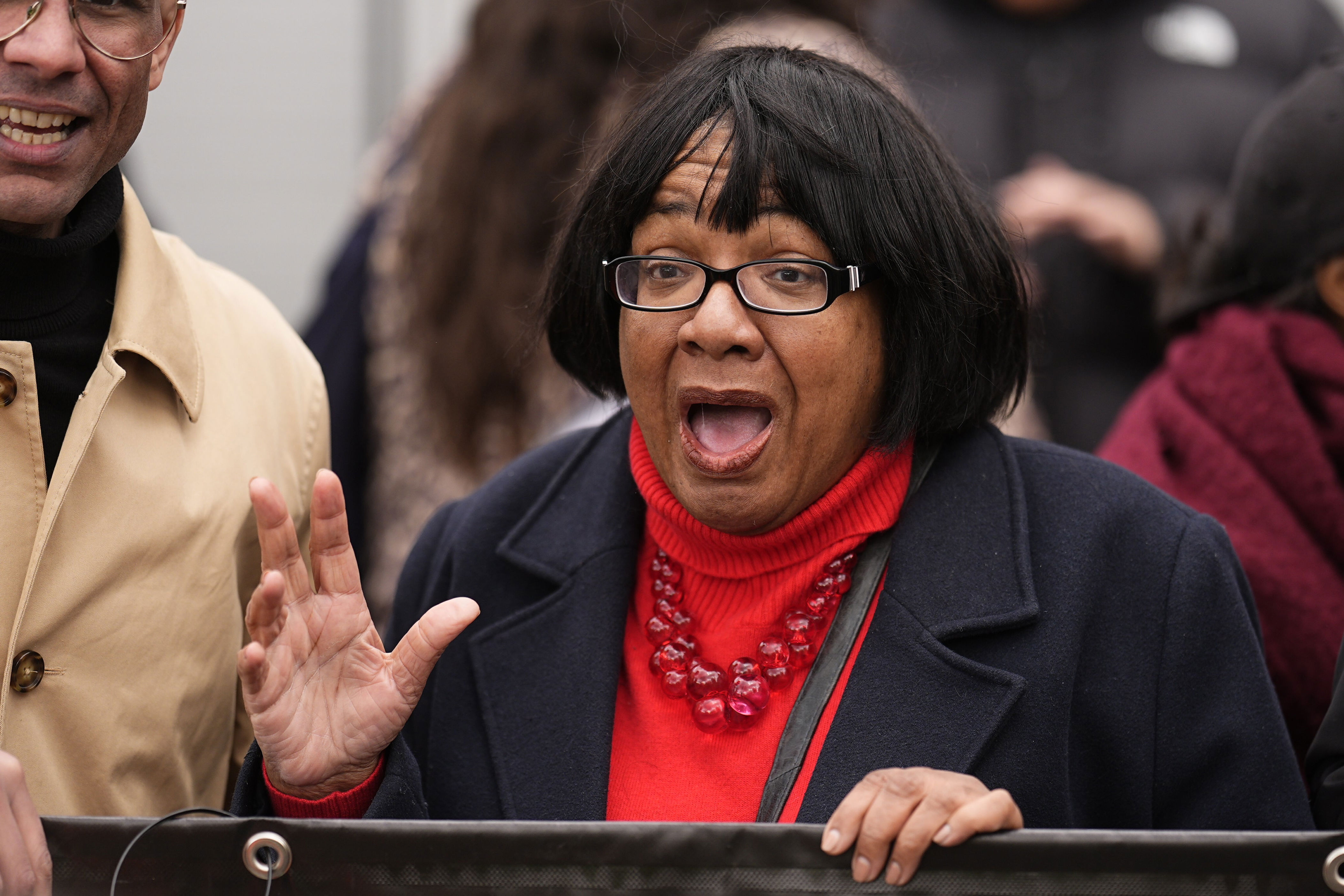
Several politicians and activists addressed the crowds, highlighting the importance of unity and resistance against hate. Labour MP Apsana Begum spoke about the shared humanity of the demonstrators, emphasizing that the movement would not be silenced by the far right.
Meanwhile, the government blocked 11 foreign nationals, including far-right agitators, from entering the UK ahead of the events. This move was aimed at preventing potential incitement of violence or hatred.
Conclusion
The protests in London underscored the deep divisions within society, with each side advocating for its cause. While the Unite the Kingdom march focused on national identity and political engagement, the pro-Palestine rally highlighted the ongoing struggle for justice and recognition. The police response was comprehensive, aiming to maintain order and protect the public while allowing for peaceful expression of views.
Key Points from the Protests
- Arrests: The Metropolitan Police confirmed 31 arrests across the London protests.
- Protest Sizes: Estimates suggest around 80,000 people attended the marches, with additional football fans in the city for the FA Cup final.
- Security Operations: An unprecedented security operation was deployed, involving thousands of officers and advanced technology.
- Hate Speech Crackdown: The Crown Prosecution Service issued new guidance to address hate speech and ensure public safety.
- Political Statements: Leaders from both sides addressed the crowds, emphasizing the importance of unity and resistance against division.
Impact on Public Perception
Public perception of Tommy Robinson remains mixed, with a significant portion of the population viewing him negatively. However, among Reform UK voters, there is a more favorable view of his leadership. The protests have sparked discussions about the role of far-right movements and the need for inclusive policies that address the concerns of all communities.
Ongoing Challenges
The challenges faced by both protest groups highlight the complexities of modern politics and social issues. As tensions continue to rise, the need for dialogue and understanding becomes increasingly important. The events in London serve as a reminder of the power of collective action and the importance of upholding democratic values.
Final Thoughts
The protests in London reflect the diverse voices and perspectives within the community. While the events were marked by differing ideologies, they also showcased the resilience and determination of individuals to express their beliefs. As the city moves forward, the lessons learned from these gatherings will be crucial in shaping a more inclusive and united society.
Additional Information
- Protest Organizers: Both the Unite the Kingdom and pro-Palestine rallies had organizers who played a key role in coordinating the events.
- Public Engagement: The involvement of various community groups and activists highlighted the widespread interest in the issues being protested.
- Media Coverage: Extensive media coverage of the events brought attention to the issues at hand, sparking further discussion and debate.
Looking Ahead
As the dust settles on the protests, the focus will shift to the long-term implications of these events. The need for continued dialogue, understanding, and cooperation will be essential in addressing the underlying issues that have brought people together in protest. The experiences of the past days will undoubtedly shape the future of public discourse and political engagement in the region.
Summary
The protests in London were a testament to the power of collective action and the importance of expressing one's views. While the events were marked by differing ideologies, they also highlighted the shared desire for a more just and equitable society. The police response, though extensive, aimed to ensure the safety of all participants and maintain public order. As the city continues to navigate these complex issues, the lessons learned from these protests will be vital in fostering a more inclusive and united community.
Final Notes
The events in London serve as a reminder of the importance of peaceful protest and the need for continued dialogue. The participation of various community groups and individuals underscores the significance of these issues in the broader context of social and political discourse. As the city moves forward, the focus will remain on building a more inclusive and harmonious society for all.
Additional Images
Conclusion
The protests in London were a significant moment in the city's history, bringing together diverse groups to express their views on important social and political issues. The events highlighted the need for continued dialogue, understanding, and cooperation in addressing the challenges facing the community. As the city looks to the future, the lessons learned from these protests will be essential in shaping a more inclusive and united society.

Post a Comment for "Dozens Arrested in Rival London Protests: Latest Update"
Post a Comment