
DoorDash Grandma Saves $11K in Taxes While Husband Battles Cancer – How You Can Too
A Grandmother’s Story of Tax Relief and Savings
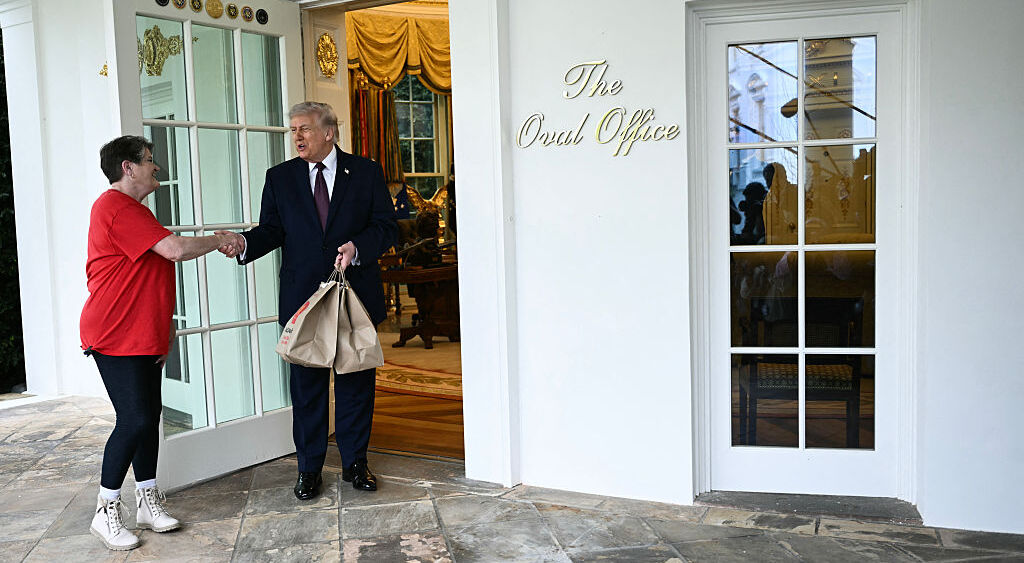
Sharon Simmons, a grandmother of 10 and a DoorDash driver, recently made headlines after delivering two bags of McDonald's to the White House. This wasn’t just any delivery — it was a symbolic gesture that highlighted the impact of the One Big Beautiful Bill, which was signed into law by President Donald Trump on July 4, 2025.
Simmons arrived at the White House on the South Lawn and knocked on the doors of the Oval Office. Trump stepped out to greet her, and the moment was captured by nearby reporters. Wearing a T-shirt that read "DoorDash Grandma," she shared how the new tax policy had helped her save over $11,000 this year by allowing her to deduct tips from her taxable income.
“I saved over $11,000,” she said, emphasizing how this relief came at a crucial time for her family. Her husband is currently undergoing cancer treatment, and the extra money has been a significant help.
Trump asked if the savings surprised her, and she replied, “It was very surprising.” She expressed gratitude for the relief the policy brought to her family.
The Impact of the No Tax on Tips Policy
According to DoorDash, Simmons began driving for the platform in 2022 and has completed more than 14,000 deliveries. She is not alone in seeing benefits from the policy. The company estimates that Dashers have saved hundreds of millions of dollars since the No Tax on Tips provision was enacted.
The White House claims that Simmons is just one of the millions of American workers benefiting from Trump’s Working Families Tax Cuts. Over 5.5 million Americans have claimed the No Tax on Tips provision so far, with an average deduction of more than $7,100. Additionally, over 25 million Americans have claimed No Tax on Overtime, with an average deduction exceeding $3,000.
The White House also states that the typical hardworking family is seeing a boost in take-home pay of over $10,000 per year. Americans earning between $15,000 and $80,000 annually are receiving an average tax cut of 15%.
The Broader Picture of Tax Policy
While the new deductions can ease the tax burden for wage and salary earners, wealthy households typically don't rely on policy changes alone to lower their tax bills. For decades, high-net-worth individuals have used proven strategies — and specific types of assets — to legally slash what they owe to the IRS.
According to a report from ProPublica, some billionaires in the U.S. paid little or no income tax relative to the vast fortunes they've amassed. That’s largely because billionaires build their wealth through assets — not wages. As the value of these assets rises, their net worth grows, but the U.S. tax system isn't designed to fully capture those gains. Capital gains are typically taxed at lower rates than regular income, and taxes aren't owed until the assets are sold.
Real Estate as a Wealth-Building Tool
One asset class America's wealthy have relied on for decades is real estate — in part because of the generous tax treatment it receives. When you earn rental income from an investment property, you can claim deductions for a wide range of expenses, such as mortgage interest, property taxes, insurance, and ongoing maintenance and repairs.
Real estate investors also benefit from depreciation — a tax deduction that recognizes the gradual wear and tear of a property over time. Investors can also use tools like refinancing and 1031 exchanges to keep their capital compounding instead of cashing out.
Today, you don't need to be a millionaire — or even to buy a single property outright — to invest in real estate. Platforms like mogul offer an easier way to get exposure to this income-generating asset class.
Retirement Accounts and Gold Investments
The wealthy don't just focus on what they invest in — they also pay close attention to where those investments sit. Using tax-advantaged retirement accounts can be a powerful way to keep more capital compounding over time.
For instance, traditional IRAs and Roth IRAs allow investments to grow either tax-deferred or tax-free, depending on the account type. Some investors choose to diversify further, including gold in their portfolios. Ray Dalio, founder of Bridgewater Associates, has repeatedly warned that many portfolios lack one key safe-haven asset: gold.
Gold isn't tied to any single country, currency, or economy. It can't be created at will by central banks like fiat money, and in times of economic turmoil, market turbulence, or geopolitical uncertainty, history has shown that investors tend to pile in — driving up its value.
Finding the Right Financial Strategy
At the end of the day, everyone's financial situation is different — from income levels and investment goals to debt obligations and risk tolerance. If you're unsure where to start, it might be the right time to get in touch with a financial advisor through Advisor.com.
Advisor.com is an online platform that matches you with vetted financial advisors suited to your unique needs. They can help tailor a strategy to your particular financial situation, whether you're looking to protect your wealth, reduce your tax burden, or plan for long-term financial security.

Post a Comment for "DoorDash Grandma Saves $11K in Taxes While Husband Battles Cancer – How You Can Too"
Post a Comment