
Don't Panic — Why Your Car Ticks When Cooling Down
Understanding Ticking Sounds in Vehicles
Ticking sounds are a common occurrence for many drivers, especially after a long drive or during cold weather. These sounds can be attributed to various factors related to the vehicle's engine and exhaust system. Understanding what causes these noises can help you determine whether they are normal or if they indicate a potential problem.
What Causes the Ticking?
The most common cause of ticking sounds is related to the expansion and contraction of metals within the vehicle. As the car runs, different components heat up, and when the vehicle is turned off, they cool down. This process leads to the metals expanding and contracting, which can result in a ticking sound. According to Jon Vorisek, an automotive software developer and repair shop manager, this phenomenon is particularly noticeable in the exhaust system.
Heat Expansion and Contraction
A car engine contains various metals that expand and contract at different rates. When the engine cools down, these metals interact with each other, creating what is known as "slip-stick friction." This occurs when the metals, held together by fasteners, experience tension due to contraction. Eventually, the metals slip, releasing the tension and producing an audible ticking sound. This same principle applies to other phenomena, such as the sound of a violin or even earthquakes caused by tectonic plate movement.
Exhaust System Cooling
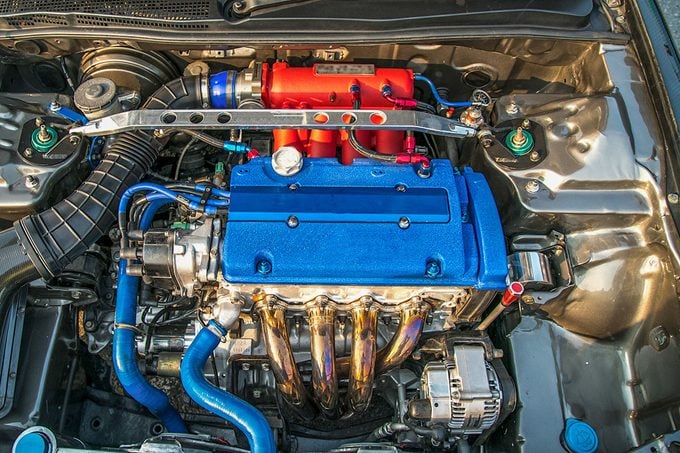
The exhaust manifold and catalytic converter are subjected to extremely high temperatures while the car is running. However, since they are not contained within the engine compartment, they cool down more rapidly than the engine itself. If you hear ticking and snapping sounds coming from underneath the car or from the rear when you stop, this is likely due to the cooling of the exhaust system.
Is the Ticking Normal?
Vorisek notes that it is very common for drivers to notice light tapping sounds when stopping the car after a long trip, especially on cold days. In most cases, there is no cause for concern. However, he adds that if the sound is loud or occurs when the vehicle is not cooling off, it could indicate a problem.
When Is Ticking a Concern?
When the car is in operation, the engine and exhaust system are hot, so there’s no thermal contraction to cause the normal ticking sounds. Any ticking sound you hear while driving could indicate a potential issue. For example, a loose metal part might be rattling around or coming into contact with the cooling fan. If left unchecked, this could lead to damage to the fan or other parts of the engine.
Less Common Causes of Ticking Sounds
While the majority of ticking sounds are normal, there are some less common causes that may require attention. One rare but serious example involved a shattered spark plug that caused ticking sounds and ultimately led to engine failure. Other potential causes include:
- Valve ticking: This comes from the engine block and is usually caused by degraded or low-viscosity oil or a timing issue. You can usually ignore this unless it gets very loud, you smell gas, or the vehicle’s performance is affected.
- Exhaust system: A loose heat shield or an overheating catalytic converter can produce similar sounds.
- Fuel injectors or the evaporation system: These can also make ticking sounds, and the sounds may continue for a short time when you turn off the engine. You can usually ignore this unless it gets very loud, you smell gas, or the vehicle’s performance is affected.
When To Visit a Mechanic
Ticking sounds when you stop the car are usually normal, but if they’re unusually loud, it’s best to have them checked out. If you hear the ticking sounds when you’re driving, they could be happening for a number of reasons, and most of the time, you can just keep on driving. However, you should visit a mechanic if any of these four things are true:
- You smell a foul odor, like gas or something burning.
- The ticking is getting progressively louder.
- The car is running roughly or using more gas than usual.
- You discover an oil leak.
- The Check Engine light comes on.
Frequently Asked Questions
What does it mean if the ticking happens while driving?
Vorisek explains: “It depends on the context of what the vehicle’s doing at the time. If it happens when you’re accelerating, then look at the engine or exhaust. If it’s when you’re braking, then look at the brakes or possibly suspension components. Vehicles have a lot of moving parts, and the same sound can have a lot of different potential causes.”
Does outside temperature affect the ticking noise?
Yes, for ticking sounds that occur after you stop the car, the answer is yes. In colder temperatures, the engine and exhaust cool down faster, and that increases the loudness and frequency of the ticks.
About the Expert
Jon Vorisek is the founder of Repair Surge, an automotive service information provider covering more than 10,000 vehicle models. He has over twenty years of experience in the automotive industry, beginning as a repair shop manager and later becoming an automotive software developer and SaaS startup founder.

Post a Comment for "Don't Panic — Why Your Car Ticks When Cooling Down"
Post a Comment