
Data, Iran, U.S.-China Talks Drive Hot Stock Market
Market Outlook for the Upcoming Week
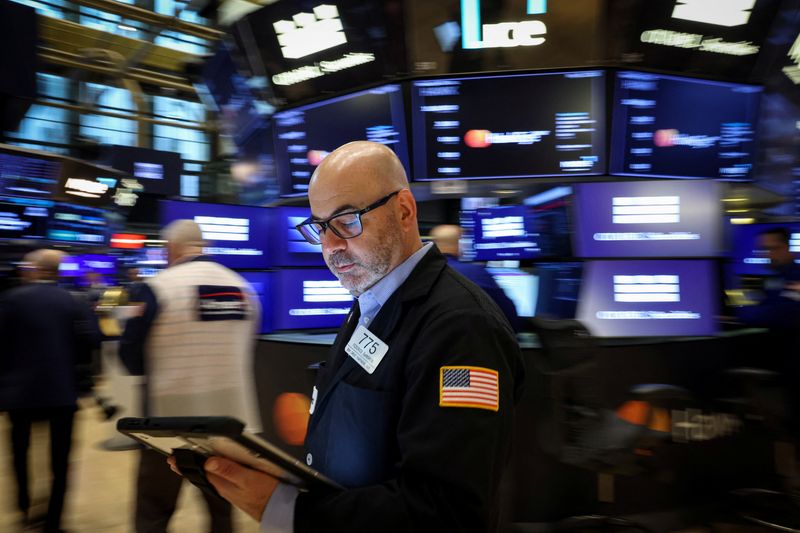
As the U.S. stock market continues its upward trajectory, investors are closely watching a series of key factors that will shape the week ahead. These include inflation and consumer spending data, developments in the conflict in Iran, and a significant meeting between the leaders of the United States and China.
The S&P 500 has experienced a remarkable rebound, rising over 16% from its lowest point this year in late March. This surge has been fueled by one of the strongest quarterly earnings seasons in more than four years, with many investors optimistic about the future of equities. Additionally, concerns over the economic impact of the Iran war have eased, leading to a "fear of missing out" mentality among investors.
Kristina Hooper, chief market strategist at Man Group, noted, "We have seen this tremendous rebound as markets have willed themselves to focus on only the positive."
Focus on the Middle East Conflict
Hopes for an end to the Middle East conflict, which began in late February with U.S.-Israeli strikes on Iran, remain a top priority for Wall Street. Investors are particularly interested in the potential reopening of the Strait of Hormuz, a critical route for global oil supplies. Energy prices have risen sharply due to the conflict, with U.S. crude up over 60% for the year.
Michael Arone, chief investment strategist at State Street Investment Management, emphasized, "The continued progress towards a resolution for the U.S.-Iran war will be top of mind for investors. You need to begin to see ship movements in the Strait of Hormuz."
The conflict is also expected to be a central topic during the upcoming meeting between U.S. President Donald Trump and Chinese President Xi Jinping in Beijing. Investors will be paying close attention to any discussions regarding access to rare earths and technology, as well as other bilateral issues.
Earnings Season Concludes
The recent surge in the S&P 500, which has increased by 8% for 2026 as of Friday, follows three consecutive years of double-digit returns. The technology-heavy Nasdaq Composite has also performed strongly, rising nearly 13% for the year, with both indices reaching record levels.
While the first-quarter earnings season is winding down, corporate reports will continue to influence stock performance in the coming days. Next week's results will include tech networking equipment firm Cisco and semiconductor equipment maker Applied Materials. Major companies like Nvidia and Walmart are set to report later in the month.
According to LSEG IBES data, S&P 500 earnings are projected to increase by 28.6% in the quarter. Significant corporate spending on artificial intelligence is driving results across various industries, as AI hyperscalers expand their data centers and infrastructure to support the technology.
Arone remarked, "All the fears that tariffs or this oil price shock would eat into margins have not materialized so far. Earnings are the lifeblood of this rally."
Inflation Data and Economic Indicators
Economic data covering April, especially inflation figures, could reflect the impact of the Iran war. The consumer price index (CPI), a crucial inflation indicator, is expected to rise by 0.6% according to a CryptoLiveDaily poll. This follows a 0.9% increase in March, the highest in nearly four years, driven by higher gasoline prices.
With expectations of a near-term resolution to the conflict, investors may focus on the core CPI reading, which excludes energy and offers clearer insights into the path of interest rates. Following the war-related spike in energy prices, the possibility of equity-friendly rate cuts this year has diminished. Recent Federal Reserve meetings suggest a more hawkish stance from several policymakers.
Hooper stated, "If core CPI is significantly higher, I think that's going to be very problematic."
Other key economic indicators next week include Wednesday's producer prices, which will provide further insight into inflation trends, and Thursday's monthly retail sales, where investors will monitor how higher gasoline and energy costs affect overall consumer spending. This week, the national average price for gasoline surpassed $4.50 per gallon for the first time since July 2022.
James Ragan, co-CIO and director of investment management research at D.A. Davidson, noted, "Even with oil bouncing around a bit and coming down from the highs, gasoline prices across the U.S. have just continued to move higher. We haven't had any relief there. I don't think there is a lot of evidence yet that it's hurting the consumer spending, but it's definitely a larger budget item."

Post a Comment for "Data, Iran, U.S.-China Talks Drive Hot Stock Market"
Post a Comment