
Cannes Critics' Week: Yemeni Filmmaker Sara Ishaq on 'The Station'
A New Perspective on War and Resilience
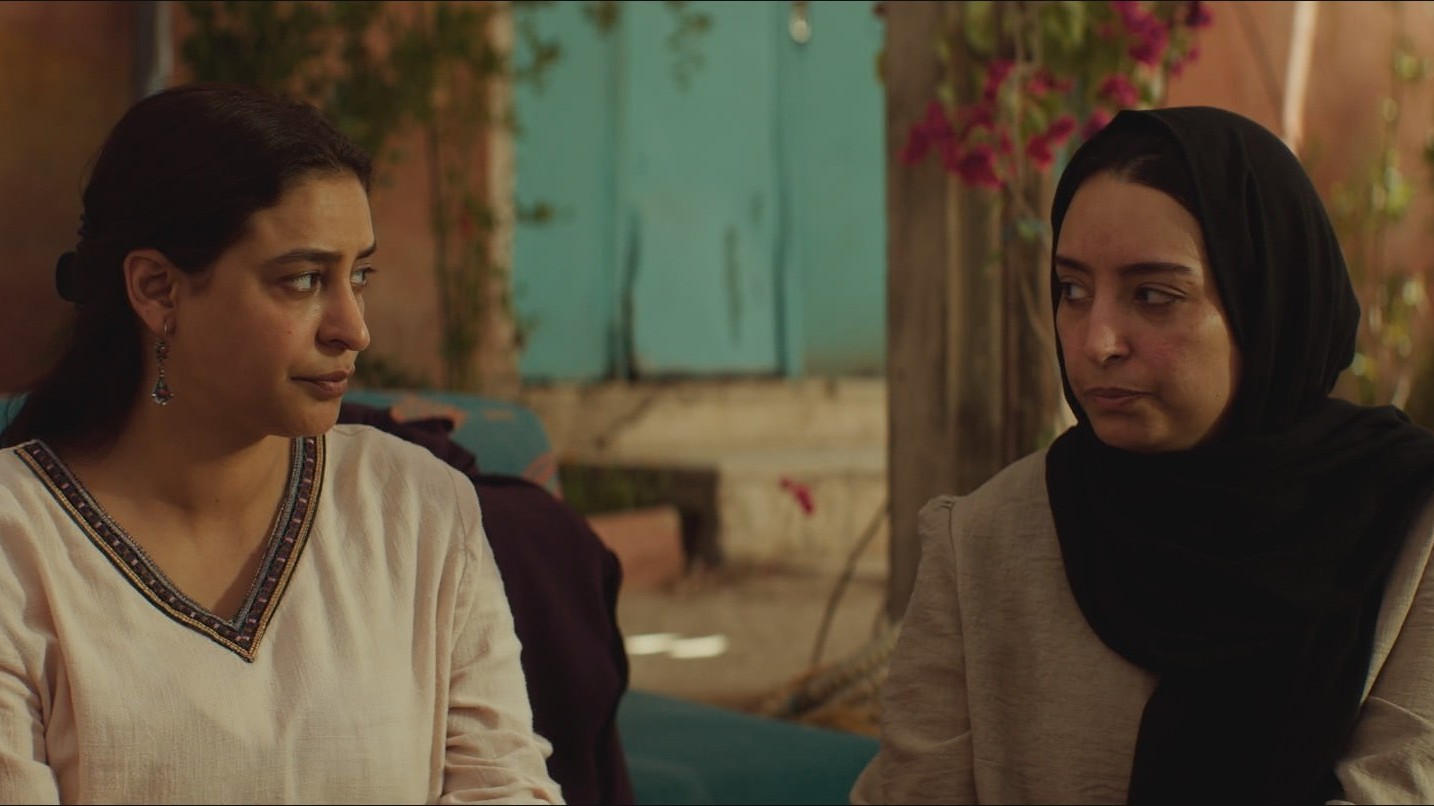
The film The Station (Al Mahattah), directed by Yemeni-Scottish filmmaker Sara Ishaq, opens with a simple yet powerful sign: "No Men. No Weapons. No Politics." This sets the tone for a story that is both personal and universal, capturing the resilience of women in a war-torn country. The film follows Layal, a woman who runs a women-only petrol station in Yemen, a place where she finds safety and strength amid chaos. When her younger brother faces conscription into the military, she reconnects with her estranged sister to protect the one life they still have left.
Ishaq co-wrote the film with Nadia Eliewat, and it made its world premiere at the 65th Cannes Critics’ Week, a prestigious platform for emerging filmmakers. The cast includes Manal Al-Mulaiki, Abeer Mohammed, Rashad Khaled, Saleh Al-marshahi, Fariha Hassan, Amal Esmail, Shorooq Mohammed, Randa Mohammed, and Fatima Muthanna. The cinematography was handled by Amine Berrada, and the editing was done by Romain Namura. Sales for the film are managed by Paradise City Sales.
From Documentary to Fiction
Ishaq has spent years working in journalism and documentary filmmaking, including an Oscar nomination for Karama Has No Walls. However, she chose to make The Station as a fiction film, not a documentary. She explained that during the early years of the war in Yemen, foreign journalists were expelled, and local coverage became polarized and confusing. She felt overwhelmed by the pressure to document the conflict and realized that there was a need for a different kind of storytelling—one that could capture the human experience beyond the headlines.
Her goal was to change the narrative around Yemen, which she described as being reduced to stories of famine and poverty. Instead, she wanted to show the everyday lives of people, their humor, their resilience, and their ability to find joy even in the most difficult circumstances.
The Inspiration Behind the Film
The inspiration for The Station came from Ishaq’s observations of daily life in Yemen. She noted how women would gather to chat, chew khat, or smoke shisha, often discussing mundane topics while bombs rumbled in the background. These conversations, filled with both sorrow and laughter, became the foundation for the film.
She was particularly struck by the existence of a women-only petrol station, where women could work and interact without the presence of men. This space, she said, was both progressive and necessary, as many men had either been killed or were too traumatized to return to normal life. Women took on new roles, becoming more independent and proactive in society.
Casting Challenges and Opportunities
Casting The Station was a unique challenge, especially since Yemen has no established film industry. Ishaq sought out Yemeni actors, many of whom were non-professionals with experience in theater or television. She used social media and online platforms to reach out to the global Yemeni diaspora, eventually conducting auditions and workshops in Egypt.
The process involved a lot of improvisation, with actors not reading the script until just before filming. Ishaq emphasized the importance of authenticity, ensuring that the performances felt real and unscripted. She found that when actors were allowed to stay true to themselves, the results were far more powerful than if they had memorized lines.
Themes Beyond the Yemeni Context
While The Station is set in Yemen, it explores universal themes such as gender, power, and the impact of war on individuals and communities. Ishaq deliberately exaggerated certain elements to highlight the absurdity of conflict and the ways in which people adapt to survive. The film also touches on the idea of "othering" and the shared struggles of women across cultures.
In addition to these themes, the film subtly addresses issues like capitalism and the role of external forces in shaping local realities. Ishaq aimed to weave these ideas into the story without making them overtly political.
Looking Ahead
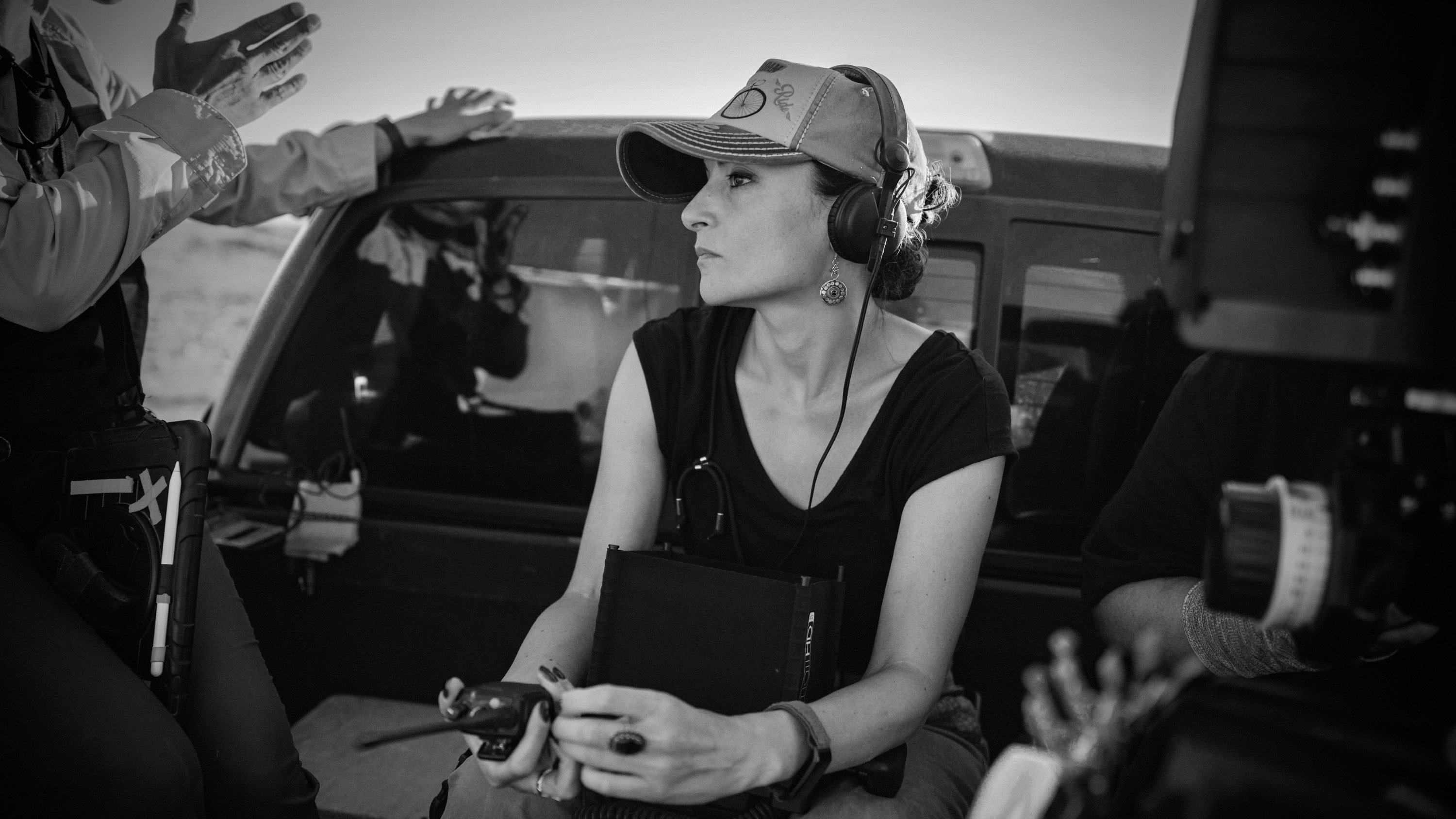
After The Station, Ishaq is considering future projects in both documentary and fiction. She expressed a deep love for the creative process, particularly the connection she formed with the cast and crew. While she hasn’t finalized her next project, she is already developing ideas and treatments, showing a clear passion for storytelling that transcends borders and boundaries.

Post a Comment for "Cannes Critics' Week: Yemeni Filmmaker Sara Ishaq on 'The Station'"
Post a Comment