
Bulgaria's Historic and Controversial Eurovision Victory
Bulgaria Makes History with First Eurovision Win
Bulgaria made history by securing its first-ever victory at the 70th edition of the Eurovision Song Contest, held in Vienna, Austria. The competition, which saw 25 countries compete, concluded with a thrilling final on Saturday (16 May), where singer DARA claimed the top spot with her dance-pop track “Bangaranga.” She amassed a total of 516 points, outperforming Israel’s second-place finish with 343 points.
The win was a surprise to many, as Finland's duo Linda Lampenius and Pete Parkkonen, along with Australia's Delta Goodrem, were considered strong contenders for the title. However, DARA's performance proved to be the standout, capturing the attention of both the audience and the judges.
Throughout the event, a variety of unique and unconventional acts captivated viewers. Greece's Akylas delivered a fast-paced song titled “Ferto,” while Serbia's LAVINA performed the intense metal track “Kraj Mene.” Moldova's Satoshi also stood out with his energetic rap number “Viva, Moldova!”
Unfortunately for the UK, their entry, Look Mum No Computer, ended up in last place, receiving zero points from the public vote. The group, consisting of Sam Battle, performed the song “Eins, Zwei, Drei,” which sparked mixed reactions from fans. Some expressed disappointment on social media, with one user calling it “the worst entry ever.” Another joked, “Not sure the [EU] will even let us rejoin after this.”
Controversy Surrounds Israel's Participation

The buildup to this year’s Eurovision final was overshadowed by controversy regarding Israel’s participation. Five countries—Ireland, Spain, Iceland, Slovenia, and the Netherlands—chose to boycott the event in protest against Israel's actions in Gaza. Ireland's broadcaster opted to air a special episode of Father Ted instead of the final, while Spain aired its own music program, The House of Music.
Demonstrations took place in Vienna ahead of the contest, with hundreds gathering at Venediger Au park for a “No Stage for Genocide” event organized by Palestine Solidarity Austria. Additionally, Israel’s national broadcaster, Kan, received a formal warning from Eurovision organizers for encouraging viewers to “vote 10 times.” This led to criticism, especially after Noam Bettan, Israel’s 2026 entry, came in second place for the second consecutive year.
DARA's Vision for Bulgaria
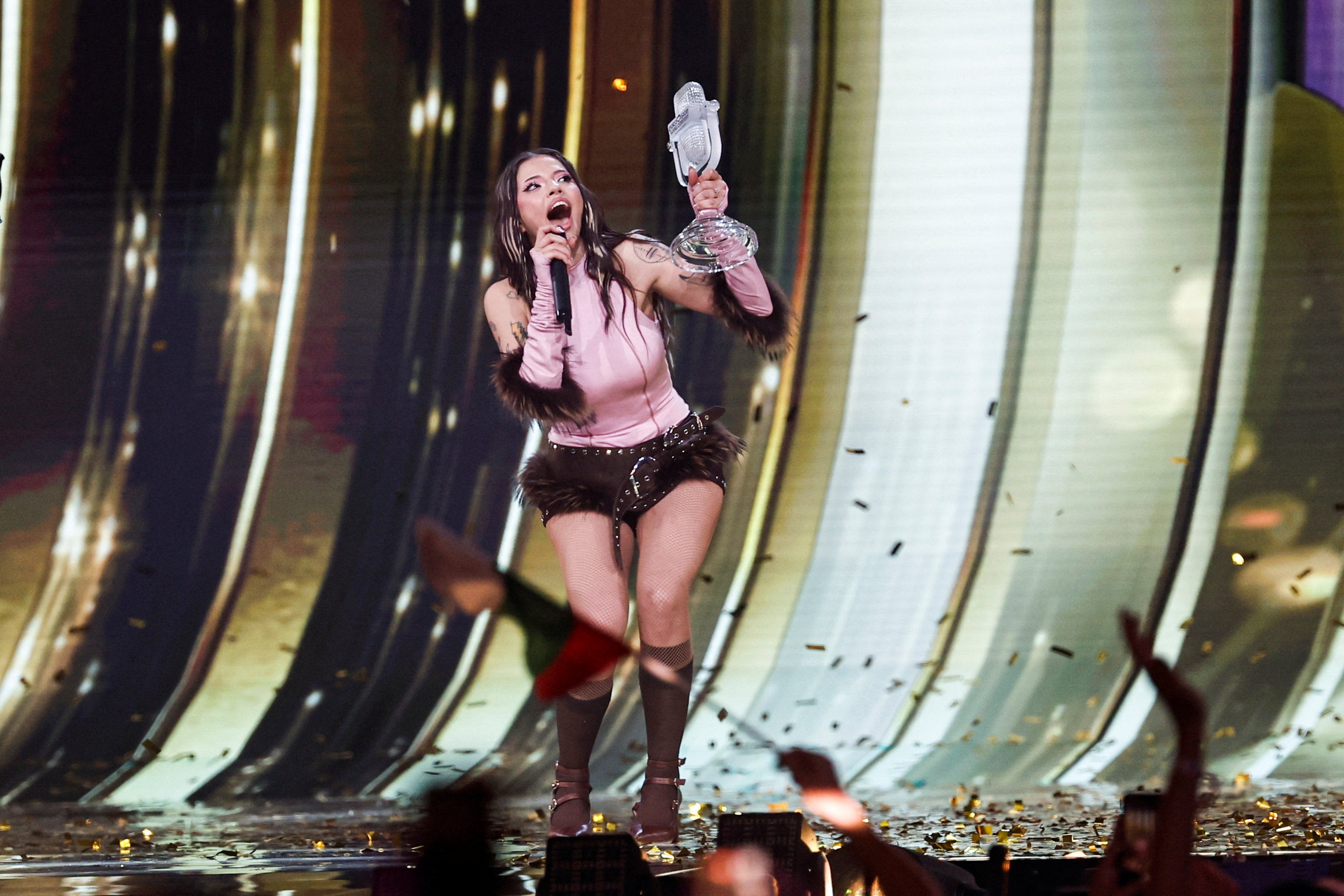
Ahead of the contest, DARA shared her hopes for Bulgaria's success. Speaking to The Independent, she described a win as “extraordinary.” “What drives me just as much is the idea of Bulgaria being seen. Really seen,” she said. “We are a small country with an enormous cultural soul—ancient, complex, stubborn in the best sense. We have a musical heritage that the world has barely scratched the surface of.”
She explained that “Bangaranga” draws inspiration from Jamaican slang, meaning “uproar, commotion, a beautiful kind of disorder.” The song aims to create a physical impact before intellectual understanding. DARA also connected the track to the Bulgarian tradition of the kukeri, where men wear elaborate costumes and masks to scare away bad spirits.
A Journey of Self-Discovery
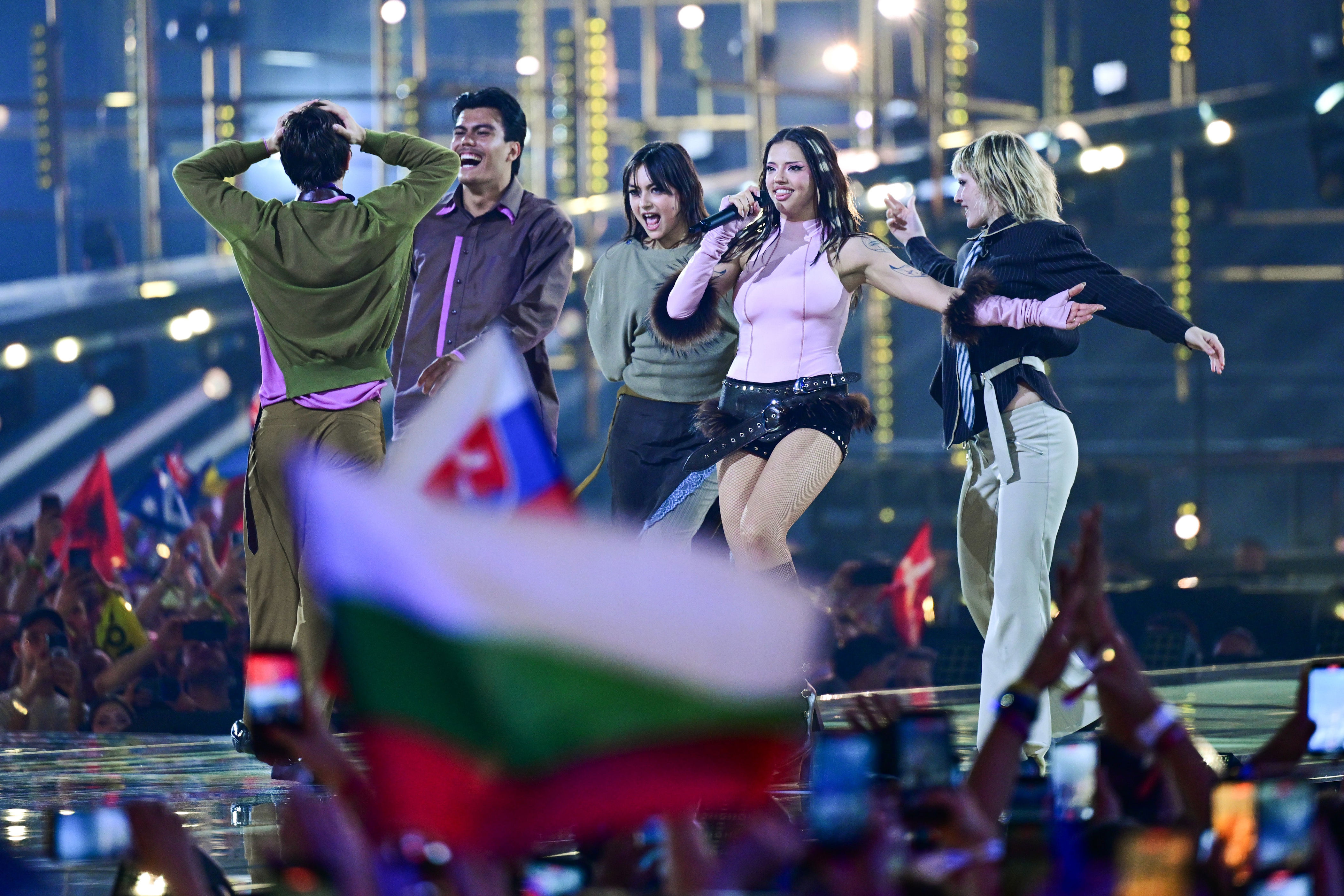
DARA first gained recognition in Bulgaria after finishing third on the Bulgarian X Factor at age 16. She later signed with a record label, releasing music in both Bulgarian and English. Her career has been marked by several number-one singles in her home country.
Her latest album, ADHDARA, was inspired by her adult diagnosis of ADHD. “That album was about owning every contradictory part of yourself: the chaos, the sensitivity, the fire,” she said. “It was terrifying and liberating in equal measure. And now here I am, taking all of that to Eurovision in Vienna, representing Bulgaria. I still find it hard to believe... in the best possible way.”
DARA’s journey reflects not only her personal growth but also the spirit of Bulgaria itself—a country that continues to make its mark on the global stage.

Post a Comment for "Bulgaria's Historic and Controversial Eurovision Victory"
Post a Comment