
Bulgaria Claims Victory at Eurovision 2026
Eurovision 2026: A Controversial and Memorable Victory
Following what is arguably the most controversial and chaotic Eurovision Song Contest in its 70-year history, we have our winner. The 2026 Grand Final, held at Wiener Stadthalle in Vienna, Austria, saw Bulgaria take home the trophy with a staggering 516 points from both jury and audience votes.
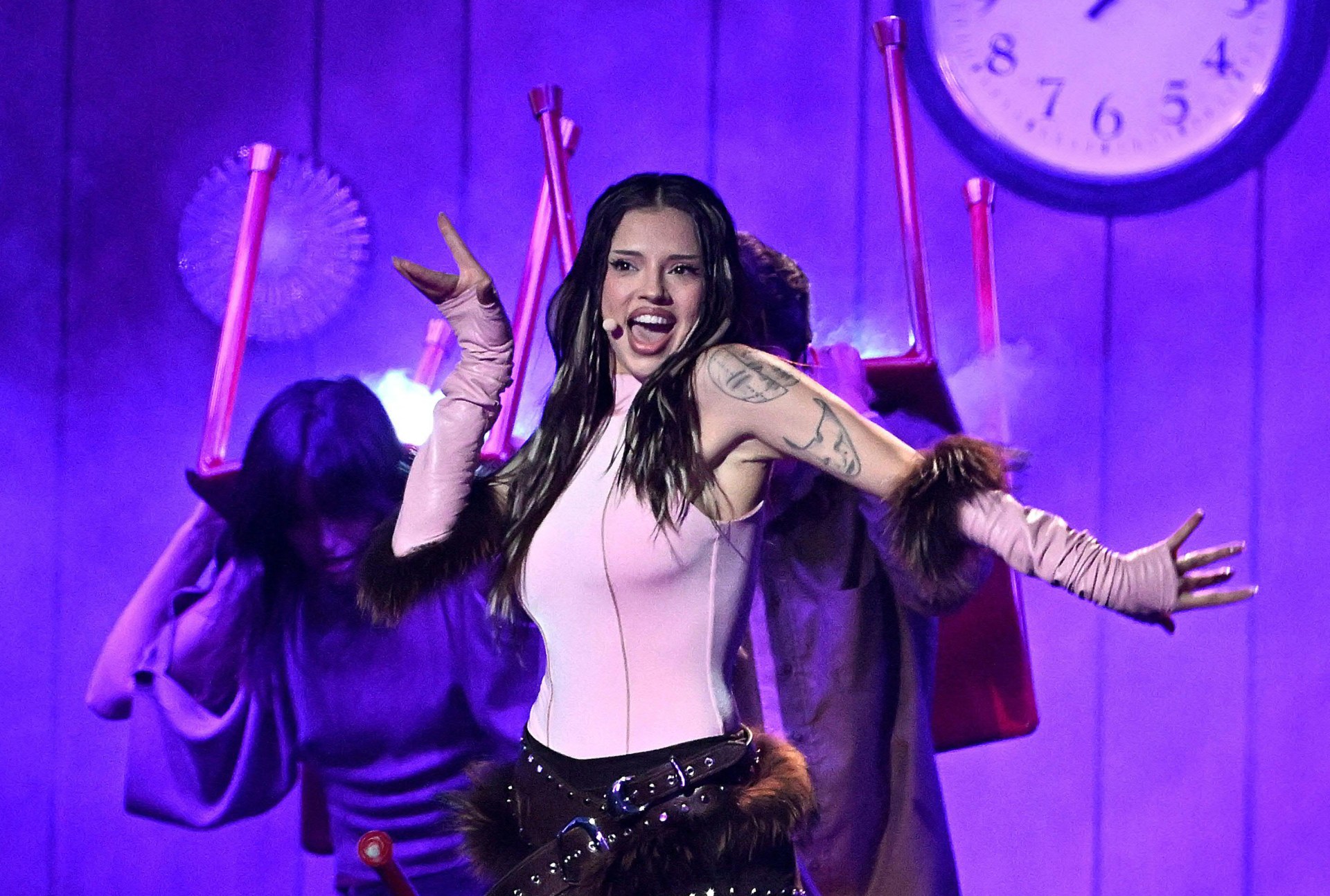
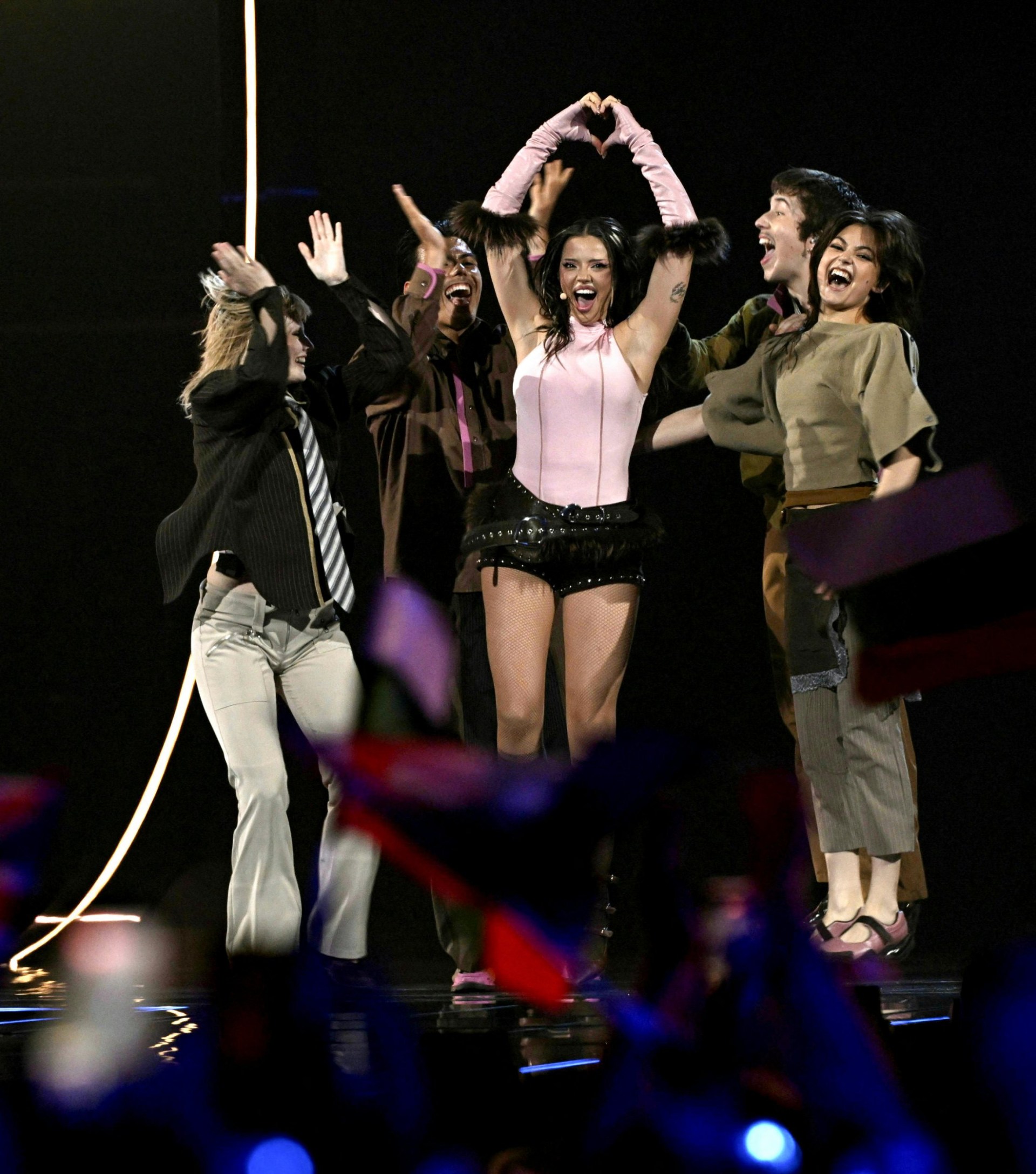
The country was represented by 27-year-old Darina Nikolaeva Yotova, known as Dara, with her catchy pop song "Bangaranga." Her victory came as a surprise to many, especially given the high expectations set by last year's winner, JJ.
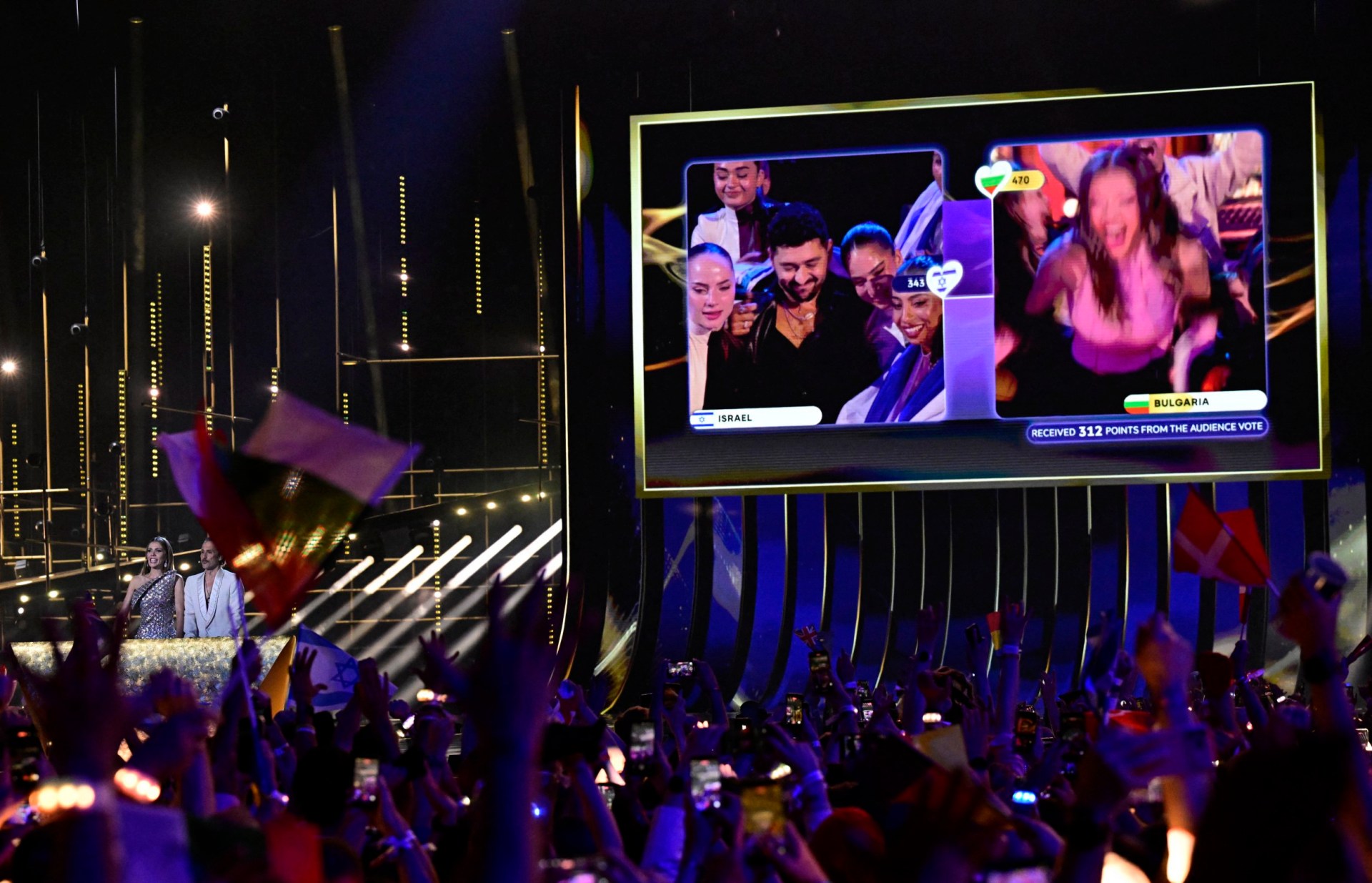
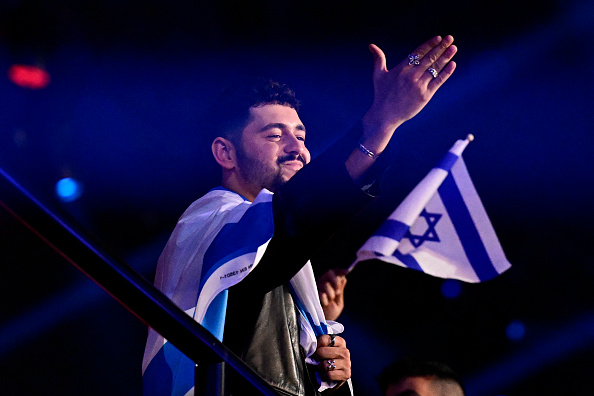
In second place was Noam Bettan of Israel with his song "Michelle," earning 343 points, largely due to audience support. Romania’s Alexandra Capitanescu took third place with her divisive track "Choke Me," scoring 296 points.
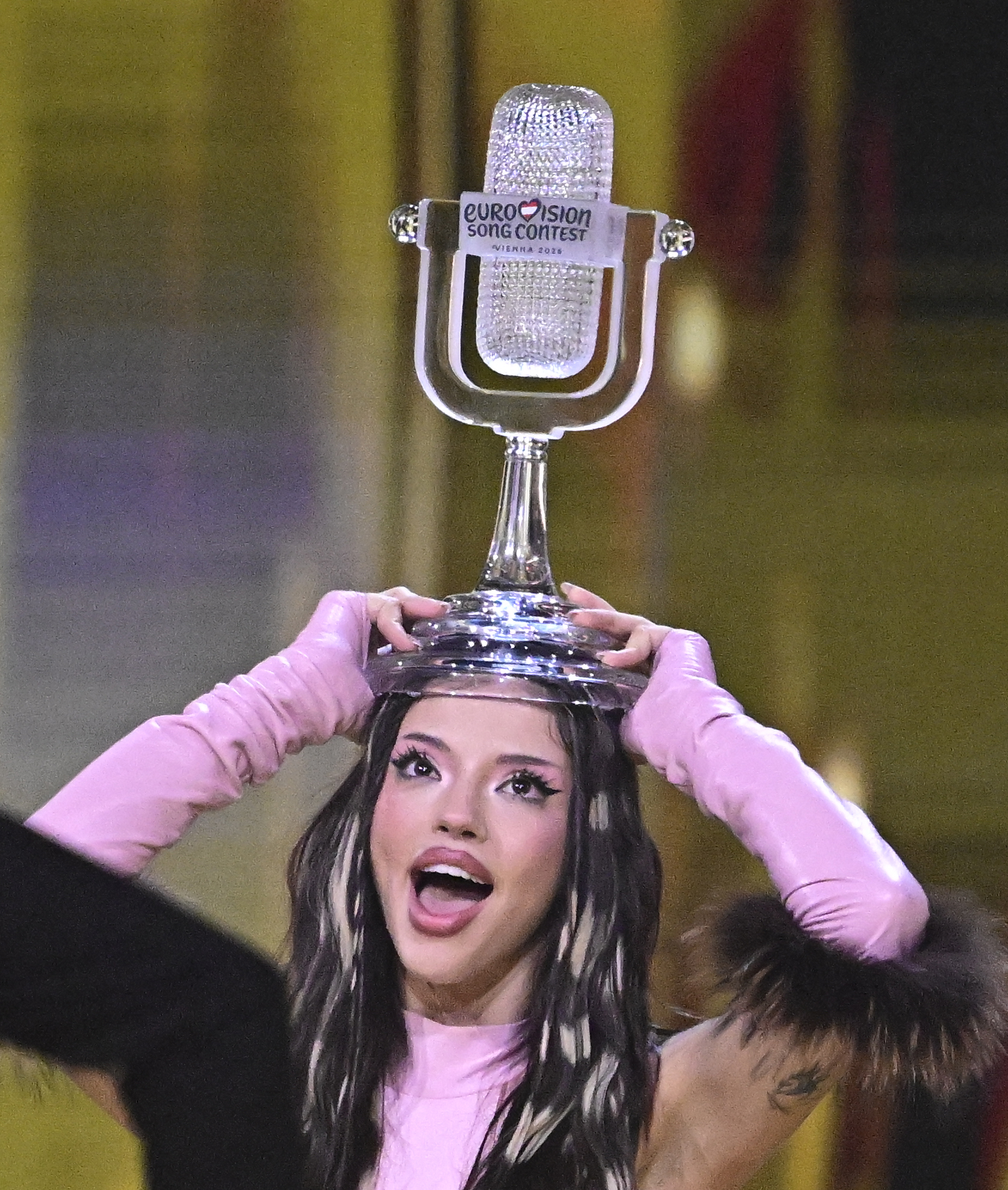
Dara celebrated her win with a second performance of "Bangaranga" before receiving the contest’s iconic microphone-shaped trophy from previous winner JJ, who exclaimed, “Congratulations, girl!”
Eurovision 2026: A Night to Remember
The final, hosted by Victoria Swarovski and Michael Ostrowski, featured 25 entrants vying for victory. Despite a rehearsal plagued by technical issues just hours before the event, the show proceeded with high energy and excitement.
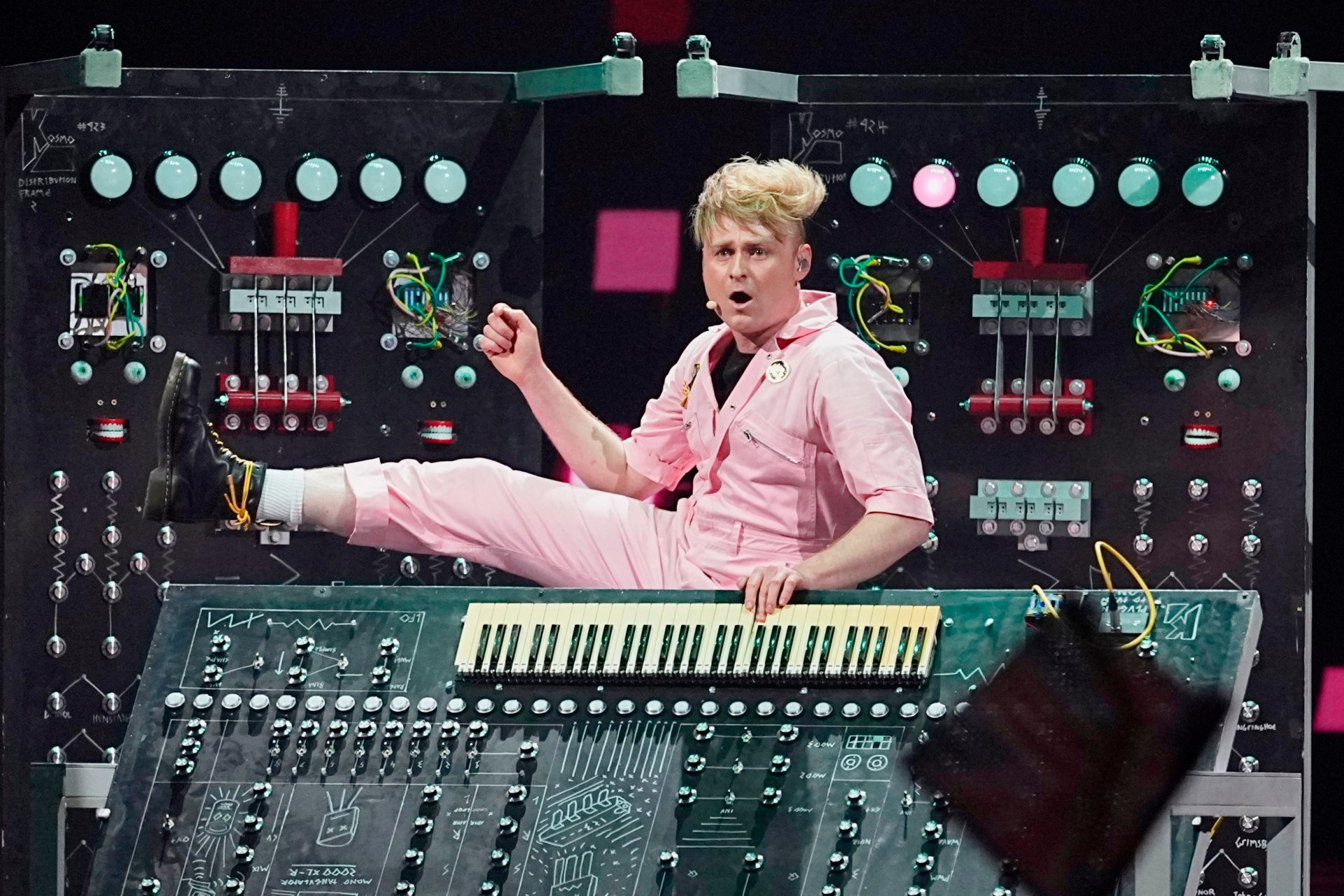
For the United Kingdom, Look Mum No Computer, also known as Sam Battle, performed his techno tune "Eins, Zwei, Drei." However, the performance received mixed reactions, and the UK ended up with a dismal score of one point from Ukraine in the jury vote, placing them at the bottom of the leaderboard with zero points from the audience.
Despite the low score, Sam remained in good spirits, clapping for other artists throughout the results. Viewers at home joked about the outcome, calling it “abysmal, as usual.”
Eurovision 2026 Final Scores
Here are the final scores from the 2026 Eurovision Song Contest:
- Bulgaria - 516
- Israel - 343
- Romania - 296
- Australia - 287
- Italy - 281
- Finland - 279
- Denmark - 243
- Moldova - 226
- Ukraine - 221
- Greece - 220
- France - 158
- Poland - 150
- Albania - 145
- Norway - 134
- Croatia - 124
- Czechia - 113
- Serbia - 90
- Malta - 89
- Cyprus - 75
- Sweden - 51
- Belgium - 36
- Lithuania - 22
- Germany - 12
- Austria - 6
- United Kingdom - 1

Political Tensions and Protests
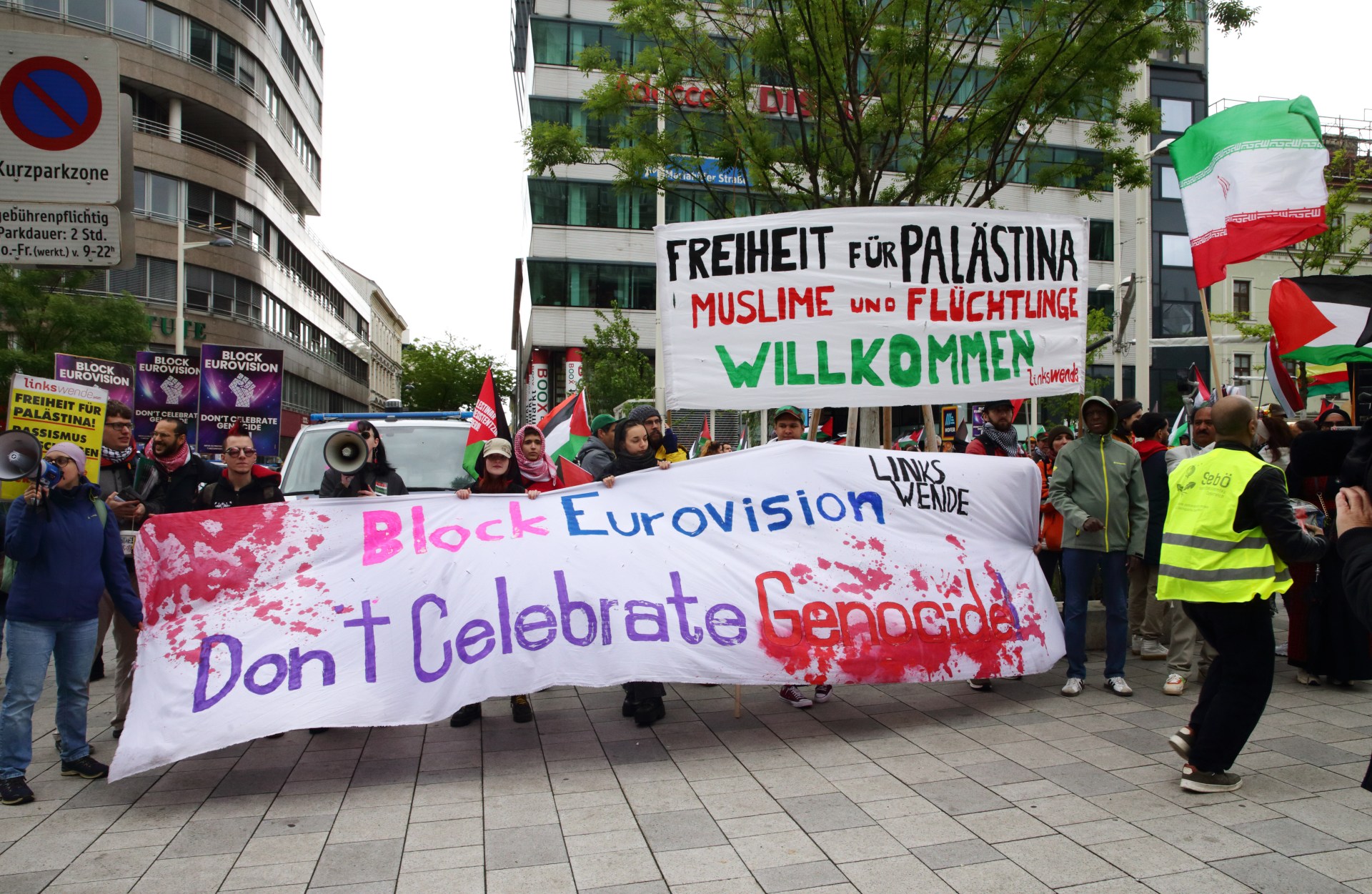
This year’s Eurovision made headlines not only for the competition but also for the political tensions surrounding it. Ireland, the Netherlands, Iceland, and Slovenia all withdrew from the contest, as did Spain, which was part of the Big Five. This left the Big Four—UK, France, Germany, and Italy—as the remaining automatic qualifiers.
Iceland and the Netherlands chose to still broadcast the contest despite the boycott. The absent countries announced a boycott after Israel’s participation was confirmed in December, which sparked significant criticism due to the ongoing conflict in Gaza.
According to reports, this has led to the largest protest since the Eurovision in 1970. Despite the protests, Noam’s performance was met with a surprisingly positive reaction from the crowd, who cheered and waved Israeli flags.
Rule Changes and Controversies
Israel faced challenges ahead of the Semi-Finals when their broadcaster, KAN, was reprimanded for promotional videos encouraging viewers to use all their votes on Noam. The videos were released in multiple languages, including Azerbaijani, Dutch, English, French, German, Greek, Italian, Maltese, Portuguese, Spanish, Swedish, and Ukrainian.
Eurovision Executive Director Martin Green confirmed that KAN was asked to remove the videos immediately, which they did within 20 minutes.
Looking Ahead
This year’s Eurovision marked a major overhaul of the voting framework to enhance trust and transparency. These changes included banning broadcasters from influencing outcomes and improving technical safeguards against fraudulent voting.
Fans will now wait to see if Israel can return in 2027, following three years of pressure on the EBU. Despite its claim of being “apolitical,” the EBU banned Russia in 2022 after the invasion of Ukraine. This decision was made after other nations threatened to withdraw.
Speculation continues about why Israel was not banned, with some pointing to the presence of Moroccanoil, an Israeli beauty brand, as a sponsor since 2020.
Got a story? If you’ve got a celebrity story, video, or pictures, get in touch with the CryptoLiveDaily.co.uk entertainment team by emailing us at celebtips@CryptoLiveDaily.co.uk, calling 020 3615 2145, or visiting our Submit Stuff page—we’d love to hear from you.

Post a Comment for "Bulgaria Claims Victory at Eurovision 2026"
Post a Comment